Jeebly | Logistics Solutions

Categories
blogs

Carrier vs Courier: What’s the Difference and Which Do You Need in UAE?

Carrier vs Courier: What's the Difference and Which Do You Need in UAE?

Carrier vs Courier: What's the Difference and Which Do You Need in UAE?

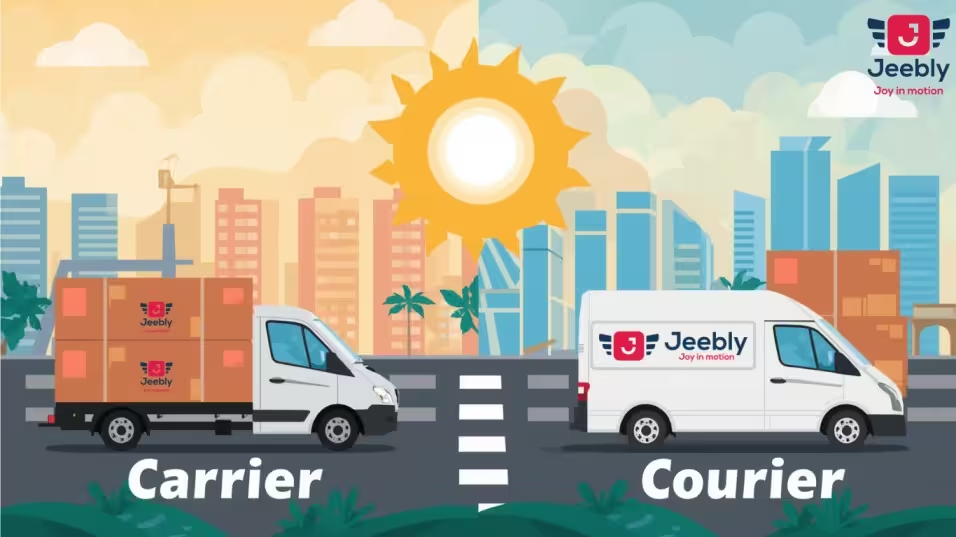
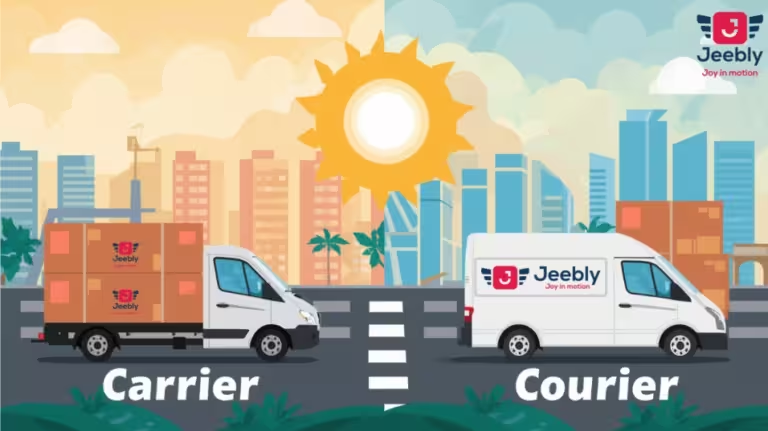
The carrier vs courier distinction is one of the most misapplied decisions in business logistics. Both move goods from point A to point B. That’s where the similarity ends. Scale, speed, cost structure, and the type of business problem each solves are fundamentally different. 

And in the UAE, where express delivery already captures 44% of the courier, express, and parcel market and is growing faster, getting this decision right directly affects customer experience and margins.

This guide cuts through the noise: what separates them, when each is the right call, and how to match the model to your shipment before it costs you.

Carrier vs Courier: The Key Differences

The clearest way to distinguish carriers from couriers is by three variables: shipment scale, delivery speed, and the final recipient.

Carriers
move larger freight volumes over long distances via road, sea, and air networks between warehouses, ports, and distribution hubs. 
The shipment usually feeds into a wider supply chain rather than going directly to an end customer.

Couriers handle individual parcels with direct, door-to-door delivery and real-time tracking. Speed and accountability at the point of receipt define the model.

Here’s the difference in practical terms:

Factor Carrier Courier
Shipment type Pallets, bulk freight, cargo Individual parcels, documents
Delivery speed Days to weeks Same-day to next-day
Coverage Long-haul, cross-border freight lanes Local, city-wide, nationwide last mile
Tracking Milestone updates Real-time tracking updates
Cost basis Weight and volume-based freight rates Per-parcel or per-kilometre rates
Typical use case Warehouse restocking, supply chain movement Customer-facing B2C delivery, urgent shipments
Flexibility Scheduled, contract-based On-demand, flexible pickup

The UAE adds its own layer to this distinction. 

The country’s compact, well-connected geography makes courier-speed last-mile delivery commercially viable across all seven emirates. At the same time, its position as a global trade hub keeps carrier-grade freight movement essential for import-heavy supply chains. 

Most businesses operating here need both to run in parallel.

The carrier vs courier split is one layer of the decision. If your shipments are trending heavier, read Courier vs Freight: Key Differences Explained. Know weight thresholds, speed trade-offs, and UAE-specific cost logic covered in full.

When a Carrier Makes More Sense

Carriers earn their place when volume is high, the timeline allows for planning, and cost-per-unit efficiency outweighs speed.

Choose a carrier when:

* Your shipment is palletised or exceeds standard parcel thresholds, typically above 20 kg or larger than 100×50×50 cm
* You’re moving stock between warehouses, from a manufacturer to a fulfilment hub, or through a port
* The delivery timeline is measured in days, with a buffer built into your supply chain
* The shipment crosses a border and requires customs clearance, trade documentation, or GCC road freight coordination
* You have predictable recurring volumes that justify contracted freight rates

When a Courier Is the Right Call

Couriers exist for the final, customer-facing leg of the delivery journey. This is the moment your end customer actually forms an opinion about your brand.

Choose a courier when:

* A customer placed an order and expects same-day or next-day delivery to their door
* You’re moving time-sensitive items like legal documents, pharmaceutical products, perishables, or high-value goods that need signature confirmation
* The shipment is a single parcel headed directly to a home or office address anywhere in the UAE
* Real-time tracking updates and proof of delivery matter to the customer waiting at the other end
* You’re running an e-commerce business where delivery experience is the last brand impression you make

Once you know a courier is the right call, how you pack the parcel directly affects whether it arrives intact. Read: How to Pack a Courier Parcel in the UAE, with protection tips tailored to UAE delivery conditions.

Cost Comparison: What You're Actually Paying For

Neither model is universally cheaper. The right comparison is value per shipment, measured against the risk and urgency of that specific movement.

Carriers charge based on freight weight, volume, and distance. Consolidated loads attract bulk rates. A truckload moving from Abu Dhabi to a Dubai distribution hub costs a fraction of what moving that same weight as individual parcels via courier would.

Couriers price per parcel or per kilometre. The premium covers speed, direct handling, real-time visibility, and door-level accountability. All of this carries measurable value when a failed delivery means a lost customer.

Here’s a quick decision framework for UAE operations:

* High volume, longer timeline, B2B recipient: Carrier wins on cost
* Individual parcel, time-sensitive, B2C customer: Courier wins on value and brand protection
* Mixed needs, growing e-commerce operation: You need both coordinated through a single platform

One cost that both comparisons often underweight is the cost of failure. In the UAE, COD (cash-on-delivery) packages see a 22% return incidence versus 7% for prepaid orders. This means failed or refused deliveries generate real reverse-logistics costs that compound quickly. A courier service with a strong first-attempt delivery rate, like Jeebly, can directly reduce this exposure.

Managing a high volume of returns alongside your deliveries? See how Jeebly approaches reverse logistics for UAE businesses and what it costs to get it wrong.

How to Decide: A Quick Self-Assessment

Before choosing between a carrier and a courier, run through these four questions:

1. Who’s receiving this shipment? 
* If a business warehouse or fulfilment centre → carrier. 
* If an individual customer at a home or office → courier.

2. When does it need to arrive? 
* Three or more days from now, with flexibility → carrier is cost-effective. 
* Today or tomorrow, or the customer is already waiting → courier territory.

3. How critical is real-time visibility? 
* If your customer expects tracking updates and delivery confirmation, courier-grade accountability is non-negotiable. Carrier milestone       updates aren’t built for that expectation.

4. What’s the cost of a late or failed delivery? 
* Low stakes — warehouse restock with buffer time → carrier failure is manageable.
* High stakes — customer order, medical item, legal document, or event-tied delivery → courier, every time.

Running through these four questions takes under a minute and prevents the most common logistics missteps UAE e-commerce businesses make.

Curious how your logistics costs compare to those of other UAE businesses? Read Cost of Shipping for a Small Business in UAE (2026 Guide) and get a realistic breakdown of what you should actually expect to pay.

Carrier vs Courier: How Jeebly Fits In Both

The carrier vs courier question resolves quickly once you know what you’re shipping, to whom, and how fast. The harder question is whether your logistics partner can actually execute on that model.

Jeebly covers both sides on a single platform.

Jeebly Dash is the courier-side answer for e-commerce businesses across the UAE: same-day in Dubai, next-day nationwide, and express delivery within 60–120 minutes for urgent shipments.

Jeebly Haul handles the freight side: road across GCC and MENA, air freight for import and export, and complete customs documentation support. It supports shipments above 20 kg or beyond standard parcel dimensions, with custom quotations and end-to-end coordination.

Jeebly Bizz brings everything under one roof: warehousing, last-mile delivery, reverse logistics, and cross-border movement in a single business logistics platform. Your store integrates directly, orders route automatically, and your team gets live visibility across the full operation.

Across all three, the numbers are straightforward: 50,000+ daily deliveries, 4,000+ active fleet, and 12M+ customers served. That’s infrastructure that works whether your shipment is a single parcel or a pallet moving across the GCC.

Evaluating your options? See how Jeebly compares to other UAE delivery providers
iMile vs Jeebly — UAE Last-Mile Delivery for eCommerce (2026)

Conclusion

Carrier or courier, the right answer is always the one that matches the shipment, the recipient, and the stakes of the delivery. Carriers move freight at scale and cost. Couriers move parcels with speed and door-level accountability. Most growing UAE businesses need both, and they need them coordinated without friction.

Jeebly brings the full picture together through one tech-connected logistics platform built for UAE delivery, fulfilment, freight, and returns.

Not sure which setup fits your business? Get in touch with the Jeebly team, and we’ll help you map out the right logistics model for your shipments, customers, and growth.

Frequently Asked Questions

Carriers move bulk freight across long distances through consolidated networks. Couriers handle individual parcels door-to-door with speed and real-time tracking. Postal services usually offer lower-cost delivery for standard mail and parcels, but with slower delivery and less parcel-level visibility than courier services.

Four primary variables resolve most decisions: shipment size, delivery timeline, recipient type (business warehouse vs. individual customer), and the cost of a failed or late delivery. COD-heavy UAE operations should also factor in first-attempt delivery success rates.

Yes. Many courier networks operate internationally, providing express cross-border movement and customs documentation support at the individual parcel level. It is often faster and more trackable than freight for individual parcels, but usually comes at a higher per-unit cost.

Cost efficiency through consolidated loads, established GCC and global freight lane contracts, and multi-modal transport are the main advantages. For high-volume cross-border shipments where a few extra days of lead time are acceptable, carrier freight is typically the cost-effective option.

A courier is the provider who moves the parcel. A delivery service describes the full end-to-end experience, including booking, tracking, customer communication, proof of delivery, and returns. A strong courier builds a strong delivery experience. The terms are related but not interchangeable.

Routes to insightful reads

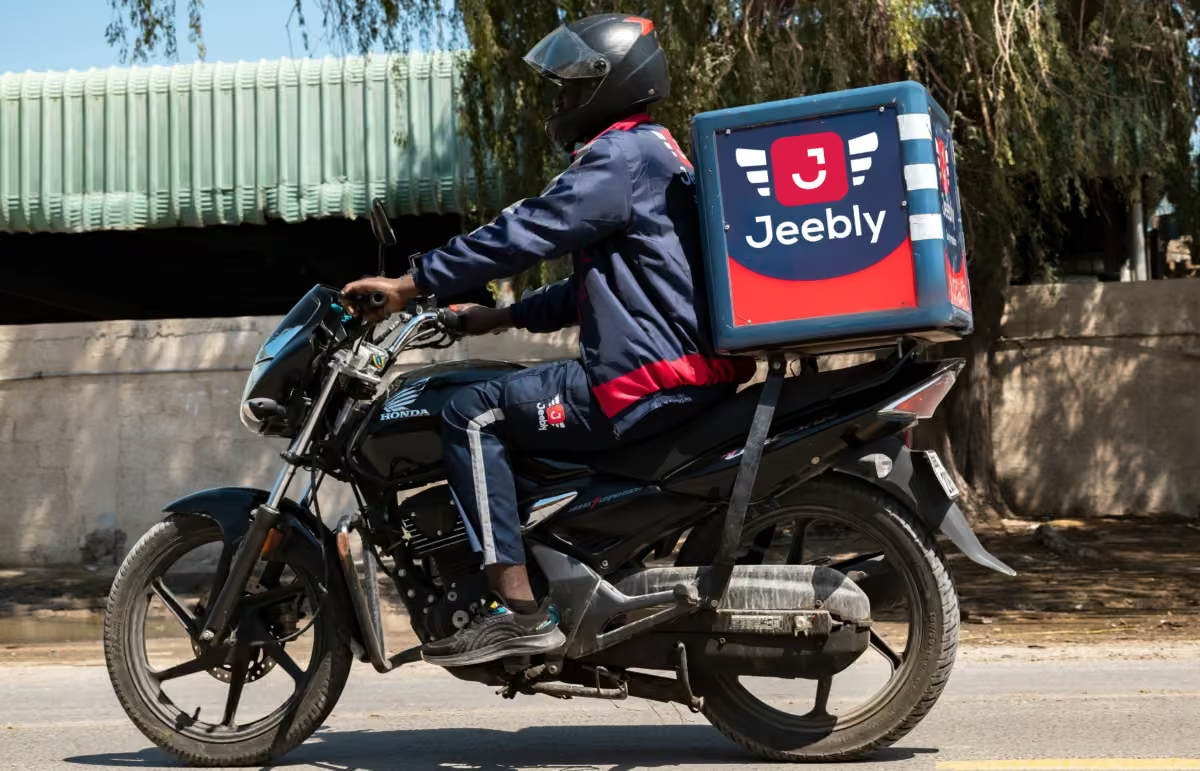
Jeebly delivery rider holding a package next to a branded motorcycle box in the UAE
What Is Contactless Delivery and How Does It Work in the UAE?

Discover what contactless delivery means and how it works in the UAE. Learn how companies like Jeebly are making parcel delivery safer, faster, and more convenient for businesses and customers across Dubai and the Emirates in 2026.

Read More
Multiple delivery company motorcycles parked on a Dubai street including Noon, Jeebly, Keeta, Deliveroo and Careem branded bikes with the city skyline in the background
List of Delivery Companies in Dubai: Best Options for Businesses in 2026

This busy Dubai street scene says it all — with Noon, Jeebly, Deliveroo, Keeta, and Careem all competing for deliveries, businesses in Dubai have more courier options than ever. Discover which delivery company is the best fit for your business in 2026.

Read More
Carrier vs Courier: What's the Difference and Which Do You Need in UAE?
Carrier vs Courier: What’s the Difference and Which Do You Need in UAE?

The carrier vs courier distinction is one of the most misapplied decisions in business logistics. Both move goods from point A to point B. That’s where the similarity ends. Scale, speed, cost structure, and the type of business problem each solves are fundamentally different. This guide cuts through the noise: what separates them, when each is the right call, and how to match the model to your shipment before it costs you.

Read More
Top Delivery Companies in UAE (2026): Compared by Speed, Coverage & Features

Picking the wrong delivery partner costs more than just money. A missed window, a failed first attempt, or a COD reconciliation delay can quickly become your brand’s problem, not the courier’s. We cover seven providers operating across the UAE in 2026, what each does well, where each falls short, and which business type each actually suits.

Read More
Porter vs Jeebly: Understanding the Difference and Choosing the Right Delivery Partner in Dubai

Picking a delivery partner in Dubai sounds straightforward until the bills don’t match the quotes, the tracking goes quiet, or your business outgrows what the platform can handle. This article breaks down both platforms in terms of pricing, technology, coverage, and support so you know exactly what you are choosing and why.

Read More
Categories
blogs

What to Look for in a Reliable Logistics Company: Key Factors

What to Look for in a Reliable Logistics Company: Key Factors

Why Choosing a Reliable Logistics Company in UAE Matters

A logistics partner does much more than transport packages. The right provider becomes an extension of your business, representing your brand during the most important customer touchpoint, delivery.

Working with a reliable logistics company in UAE helps you:

1. Ensure timely and secure deliveries
2. Improve customer satisfaction and retention
3. Gain real time visibility into shipments
4. Scale operations during peak seasons
5. Reduce operational complexity

Optimize overall logistics costs

According to the UAE Ministry of Economy, the country’s e commerce and logistics sectors continue to grow rapidly, increasing the need for dependable logistics infrastructure and partners.

When deliveries are consistent and efficient, customers trust your brand. When they are not, even the best products and pricing cannot compensate.

Key Factors to Consider When Choosing a Reliable Logistics Company in UAE

1. Industry Experience and Local Market Knowledge

Experience is one of the most important indicators of reliability. A logistics company that understands your industry can anticipate challenges and handle shipments with care.

Different industries require different logistics expertise:

1. Food and pharma businesses need temperature controlled delivery
2. E commerce brands require fast last mile fulfillment
3. Retailers depend on reliable scheduled distribution

SMEs need flexible and scalable logistics

A reliable logistics company in UAE should also understand local delivery routes, traffic conditions, regulations, and customer expectations. Local expertise helps reduce delays and improves delivery accuracy.

Companies like Jeebly specialize in last mile delivery, SME logistics, and temperature controlled transportation, making them well suited for businesses operating across the UAE.

2. Range of Logistics Services

Working with multiple vendors for storage, transportation, and delivery can lead to miscommunication and inefficiencies. A strong logistics partner should offer a comprehensive range of services.

Look for a provider that offers:

1. Same day and next day delivery
2. Scheduled deliveries
3. Temperature controlled logistics
4. Warehousing and fulfillment
5. Cash on delivery (COD) services
6. Reverse logistics
7. Packaging and labeling

A full service reliable logistics company in UAE can simplify your supply chain and reduce operational friction.

Jeebly, for example, provides end to end logistics solutions including same day delivery, COD handling, and specialized delivery services for social sellers and SMEs.

You can also explore Jeebly’s blog on What is Last Mile Delivery and Why it Matters in the UAE to understand how last mile delivery impacts customer experience.

3. Technology and Real Time Tracking

Technology plays a major role in modern logistics. Businesses need real time visibility into shipments to manage operations effectively and keep customers informed.

A reliable logistics company in UAE should provide:

1. Real time tracking dashboards
2. GPS-enabled fleet monitoring
3. Automated delivery updates
4. Warehouse management systems
5. Route optimization tools

Performance analytics

Real time tracking reduces customer queries and improves transparency. It also allows businesses to respond quickly to delays or delivery issues.

Jeebly uses advanced tracking systems that enable both businesses and customers to monitor deliveries in real time, improving communication and reducing uncertainty.

For broader industry insights, the World Bank, highlights how digital logistics tools improve efficiency and reduce delivery times across supply chains.

4. Reliability and On Time Performance

Reliability is the foundation of any logistics partnership. A reliable logistics company in UAE should consistently meet delivery timelines and handle shipments safely.

When evaluating reliability, consider:

1. On time delivery rates
2. Service coverage
3. Claims and damage history
4. Emergency handling capabilities
5. Customer reviews

Consistent delivery performance builds trust with customers and protects your brand reputation.

Jeebly focuses on optimized routes, trained delivery teams, and efficient planning to ensure reliable delivery performance across the UAE.

5. Customer Support and Communication

Strong communication ensures smooth logistics operations. A good logistics partner should provide clear updates, quick responses, and reliable support.

Look for companies that offer:

1. Dedicated account management
2. Multilingual customer support
3. Proactive delivery updates
4. Quick issue resolution

Effective communication prevents small issues from becoming major problems. Jeebly offers multilingual customer service and dedicated support teams, helping businesses resolve delivery concerns quickly and maintain customer satisfaction.

6. Cost Transparency and Value for Money

Pricing is important, but it should not be the only factor when choosing a logistics provider. The cheapest option may lead to delays, poor service, or hidden costs.

When evaluating costs, look for:

1. Transparent pricing structures
2. No hidden charges
3. Flexible service plans
4. Value added services

A reliable logistics company in UAE should provide clear pricing and help you understand the total cost of logistics operations.
Jeebly focuses on transparent pricing and flexible delivery options that support businesses at different stages of growth.
You can also read Reducing Delivery Costs: A Client Case Study to see how businesses optimize logistics expenses.

7. Safety, Compliance, and Handling Standards

Safety and compliance are essential in logistics. A reliable provider should follow industry standards and ensure shipments are handled correctly.

1. Important factors include:
2. Secure packaging and handling
3. Compliance with UAE regulations
4. Insurance coverage
5. Trained delivery staff
6. Temperature controlled infrastructure

For businesses shipping sensitive goods, proper handling is critical.

Jeebly follows strict safety protocols and compliance standards, ensuring that shipments are handled securely and delivered in optimal condition.

Jeebly’s Key Logistics Advantages

Jeebly offers several features that make it a strong reliable logistics company in UAE:

1. Same day delivery across Dubai
2. Temperature controlled delivery solutions
3. Real time tracking and visibility
4. Cash on delivery support
5. Scalable logistics for SMEs
6. Reliable last mile delivery network
7. Multilingual customer support
8. Flexible solutions for growing businesses

These features help businesses improve delivery performance, reduce delays, and enhance customer satisfaction.

How to Evaluate a Logistics Partner

Before choosing a logistics partner, take time to evaluate their capabilities:

1. Request detailed service information
2. Check customer reviews and case studies
3. Evaluate tracking and technology tools
4. Review pricing transparency
5. Test customer support responsiveness
6. Start with a trial shipment if possible

Choosing a reliable logistics company in UAE requires careful evaluation, but the right partner can transform your operations.

Conclusion

Logistics plays a crucial role in business success, especially in a fast growing market like the UAE. Partnering with a reliable logistics company in UAE ensures that your products reach customers on time, in good condition, and with full visibility.

From real-time tracking to temperature-controlled delivery and scalable solutions, the right logistics provider can help you streamline operations and improve customer satisfaction.

Jeebly offers fast, reliable, and technology-driven logistics solutions tailored to businesses of all sizes. Whether you need same-day delivery, warehousing, or last-mile support, Jeebly helps you build a stronger and more efficient logistics network.

If you’re ready to optimize your supply chain and improve delivery performance, partnering with a reliable logistics company like Jeebly can help your business grow with confidence.

Routes to insightful reads

Jeebly delivery rider holding a package next to a branded motorcycle box in the UAE
What Is Contactless Delivery and How Does It Work in the UAE?

Discover what contactless delivery means and how it works in the UAE. Learn how companies like Jeebly are making parcel delivery safer, faster, and more convenient for businesses and customers across Dubai and the Emirates in 2026.

Read More
Multiple delivery company motorcycles parked on a Dubai street including Noon, Jeebly, Keeta, Deliveroo and Careem branded bikes with the city skyline in the background
List of Delivery Companies in Dubai: Best Options for Businesses in 2026

This busy Dubai street scene says it all — with Noon, Jeebly, Deliveroo, Keeta, and Careem all competing for deliveries, businesses in Dubai have more courier options than ever. Discover which delivery company is the best fit for your business in 2026.

Read More
Carrier vs Courier: What's the Difference and Which Do You Need in UAE?
Carrier vs Courier: What’s the Difference and Which Do You Need in UAE?

The carrier vs courier distinction is one of the most misapplied decisions in business logistics. Both move goods from point A to point B. That’s where the similarity ends. Scale, speed, cost structure, and the type of business problem each solves are fundamentally different. This guide cuts through the noise: what separates them, when each is the right call, and how to match the model to your shipment before it costs you.

Read More
Top Delivery Companies in UAE (2026): Compared by Speed, Coverage & Features

Picking the wrong delivery partner costs more than just money. A missed window, a failed first attempt, or a COD reconciliation delay can quickly become your brand’s problem, not the courier’s. We cover seven providers operating across the UAE in 2026, what each does well, where each falls short, and which business type each actually suits.

Read More
Porter vs Jeebly: Understanding the Difference and Choosing the Right Delivery Partner in Dubai

Picking a delivery partner in Dubai sounds straightforward until the bills don’t match the quotes, the tracking goes quiet, or your business outgrows what the platform can handle. This article breaks down both platforms in terms of pricing, technology, coverage, and support so you know exactly what you are choosing and why.

Read More

    Powered by