





7 UAE logistics trends reshaping 2026 — what businesses need to know now
UAE logistics in 2026 is being reshaped by AI route optimisation, hyperlocal fulfilment, drone delivery trials and the rise of social commerce logistics. Here are the 7 trends businesses need to act on now.
The logistics industry in the UAE is evolving rapidly as technology, consumer behavior, and infrastructure continue to reshape how goods move across the region. Over the past decade, the UAE has become one of the most advanced logistics hubs in the Middle East, supported by strong trade connectivity, modern infrastructure, and rapidly growing e-commerce adoption.
By 2026, these changes will accelerate even further. New technologies such as artificial intelligence, micro fulfilment infrastructure, and predictive analytics are already redefining delivery operations. At the same time, rising customer expectations for faster and more transparent deliveries are pushing logistics providers to innovate.
According to the Statista eCommerce market outlook for the UAE, the country’s e-commerce sector is expected to continue growing significantly through 2026, increasing the demand for efficient last-mile logistics networks.
For businesses operating in the UAE, understanding the key logistics trends shaping 2026 will be essential for maintaining operational efficiency and delivering a better customer experience.
1. AI-Powered Route Optimization Will Become Standard
Artificial intelligence is transforming how logistics networks operate. In 2026, AI-driven route optimization will play a central role in helping delivery companies reduce travel time, fuel costs, and operational inefficiencies.
Modern logistics platforms analyze multiple variables simultaneously, including:
* Real-time traffic conditions
* Delivery density in specific areas
* Rider availability
* Customer delivery windows
* Historical route performance
These systems automatically adjust delivery routes throughout the day, ensuring that drivers follow the most efficient path.
For businesses managing large order volumes, this means faster deliveries and more reliable service.
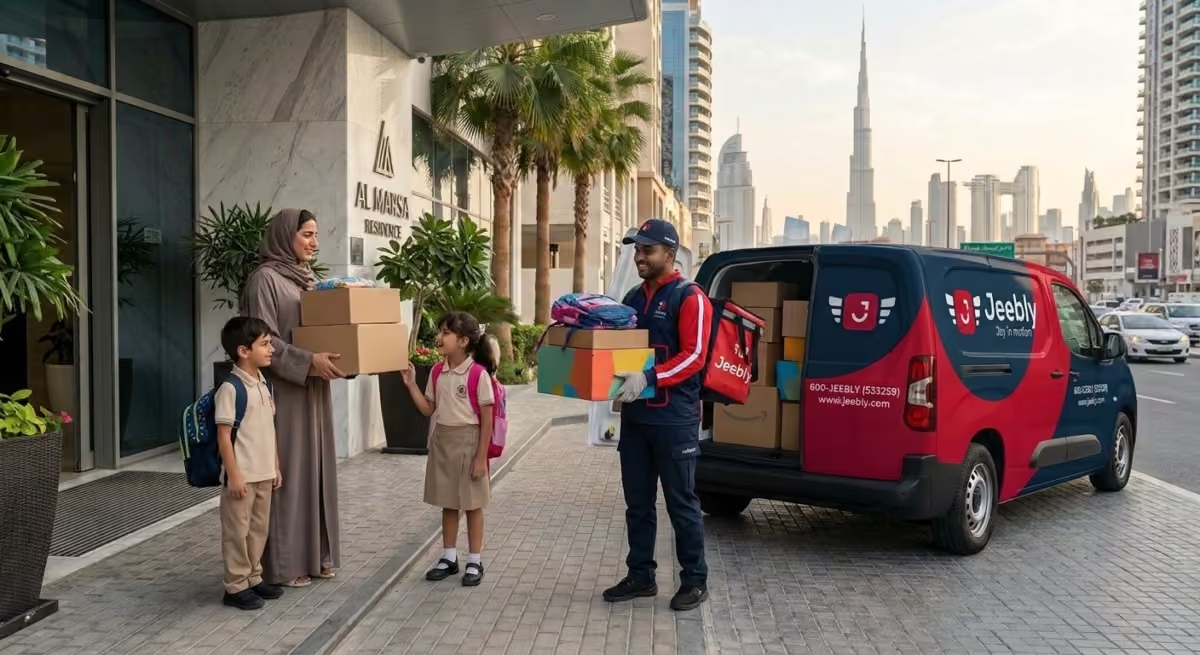
At Jeebly, AI-enabled routing technology already supports delivery operations across the UAE, improving delivery success rates and reducing delays in the last-mile stage of the supply chain. If you’re exploring how last-mile delivery works in detail, you can read our guide on what last-mile delivery means for modern logistics.
2. Micro-Fulfilment Centres Will Transform Urban Logistics
One of the most important developments in UAE logistics is the rise of micro fulfilment centres (MFCs).
Traditional warehouses are typically located on the outskirts of cities. While this setup works for bulk distribution, it increases delivery time for urban customers.
Micro fulfilment centres solve this challenge by placing inventory closer to residential demand zones within cities.
These compact fulfilment hubs allow businesses to:
* Shorten delivery distances
* Improve order processing speed
* Support same-day delivery models
* Reduce logistics costs for urban deliveries
Jeebly has recently launched its Micro Fulfilment Centre (MFC) network, designed to support fast urban deliveries across Dubai and other key UAE markets. By positioning inventory closer to customers, retailers can significantly reduce fulfilment times and support hyperlocal delivery models.
As online shopping continues to grow, MFC infrastructure will become one of the most important components of modern logistics networks.
3. Q-Commerce and Hyperlocal Delivery Will Continue Expanding
Consumer expectations around delivery speed have changed dramatically. Waiting several days for an online order is no longer acceptable for many shoppers.
Instead, customers increasingly expect:
* Same day delivery
* Instant delivery options
* Accurate delivery windows
This shift has led to the rapid growth of Q-commerce (quick commerce).
Q-commerce focuses on ultra-fast deliveries, often within hours or minutes of placing an order. The model is especially popular for products such as groceries, pharmacy items, electronics accessories, and urgent retail purchases.
Jeebly has expanded its Q-commerce delivery capabilities through Jeebly Dash, enabling rapid deliveries across high density urban areas.
Hyperlocal delivery networks like these are becoming essential for retailers and social sellers who want to compete in an on-demand retail environment.
4. Sustainability and Green Logistics Will Gain Momentum
Sustainability is becoming a key priority for logistics companies across the UAE.
The country has committed to ambitious environmental targets through initiatives such as the UAE Net Zero 2050 strategy, which aims to reduce carbon emissions across industries.
To align with these goals, logistics companies are exploring several sustainability initiatives, including:
* Electric delivery vehicles
* Optimized delivery routes to reduce fuel consumption
* Environmentally friendly packaging solutions
* Carbon-tracking systems for supply chains
Green logistics is no longer just a regulatory requirement, it is becoming an important factor for brands that want to operate responsibly while maintaining operational efficiency.
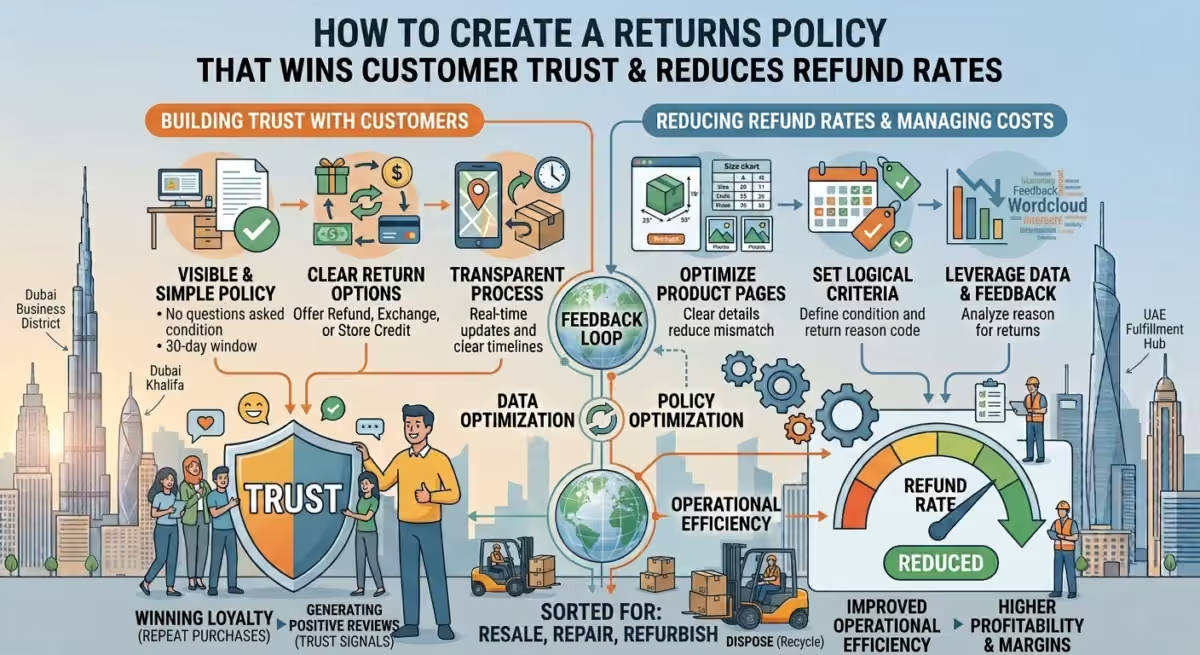
5. Reverse Logistics Will Become More Important
As e-commerce continues to grow, so does the volume of product returns.
Returns, exchanges, and failed deliveries create operational challenges for retailers. Without a proper reverse logistics system, businesses can face increased costs and inventory management issues.
Efficient reverse logistics solutions help businesses:
recover returned inventory faster
reduce operational losses
improve customer satisfaction
Many companies are now investing in structured return processes to make returns more efficient. If you’re interested in understanding this area of logistics further, you can explore how reverse logistics supports modern supply chains.
6. Autonomous Delivery and Drone Logistics Will Continue Developing
Autonomous delivery technologies are also gaining attention across the UAE and the wider Middle East.
Government regulators are actively exploring frameworks to support these innovations. Authorities such as the General Civil Aviation Authority (GCAA) are working on regulatory systems that allow controlled drone logistics trials.
These technologies are still in early stages but could eventually support:
* Medical supply delivery
* Remote area logistics
* Lightweight parcel transport
While drones will not replace traditional delivery vehicles anytime soon, they are expected to complement existing logistics infrastructure in the future.
7. Data Visibility and Predictive Logistics Will Improve Customer Experience
Modern logistics operations are increasingly driven by data.
Businesses rely on predictive analytics to forecast demand and optimize delivery operations. Customers, meanwhile, expect greater transparency during the delivery process.
Predictive logistics systems help companies:
* Forecast demand spikes
* Optimize delivery routes
* Improve ETA accuracy
* Reduce failed deliveries
Jeebly’s delivery platform already provides real-time delivery updates and operational insights, helping businesses maintain better visibility across their logistics operations.
The Future of Logistics in the UAE
The logistics ecosystem in the UAE is entering a new era of innovation. From AI-driven routing and hyperlocal fulfilment to micro-fulfilment infrastructure and predictive analytics, the trends shaping 2026 will redefine how businesses manage supply chains.
Companies that invest early in modern logistics infrastructure will be better positioned to scale operations, reduce delivery delays, and improve customer satisfaction.
At Jeebly, we continue building technology-driven logistics solutions designed for the next generation of commerce—combining smart fulfilment, rapid delivery networks, and data-driven operations.
As logistics technology continues to evolve, one thing remains certain: the future of delivery in the UAE will be defined by speed, intelligence, and adaptability.
Frequently Asked Questions
The UAE logistics sector continues to evolve through increased automation, AI-powered operations, real-time visibility, sustainability initiatives, and the growth of e-commerce and social commerce. Businesses are investing in smarter fulfilment, faster delivery networks, and technology-driven supply chain management to meet rising customer expectations.
AI is helping logistics companies improve route planning, demand forecasting, delivery scheduling, and operational efficiency. By analyzing large volumes of data, AI can optimize delivery routes, reduce transit times, improve resource utilization, and provide more accurate delivery estimates for customers.
The UAE continues to explore and test advanced delivery technologies, including drones and autonomous delivery solutions. While pilot programs and innovation initiatives are ongoing, availability depends on regulatory approvals, operational requirements, and specific use cases. Businesses should monitor official announcements for the latest developments.
Social commerce is increasing demand for faster, more flexible delivery services. As more businesses sell through platforms such as Instagram, TikTok, WhatsApp, and Facebook, logistics providers are adapting by offering quicker fulfilment, cash-on-delivery services, improved returns management, and scalable last-mile delivery solutions.
UAE businesses are increasingly adopting technologies such as transportation management systems (TMS), warehouse management systems (WMS), route optimization software, real-time tracking platforms, AI-powered analytics, automation tools, and integrated logistics platforms. These technologies help improve visibility, efficiency, customer experience, and overall supply chain performance.
Routes to insightful reads

Discover what contactless delivery means and how it works in the UAE. Learn how companies like Jeebly are making parcel delivery safer, faster, and more convenient for businesses and customers across Dubai and the Emirates in 2026.

This busy Dubai street scene says it all — with Noon, Jeebly, Deliveroo, Keeta, and Careem all competing for deliveries, businesses in Dubai have more courier options than ever. Discover which delivery company is the best fit for your business in 2026.

The carrier vs courier distinction is one of the most misapplied decisions in business logistics. Both move goods from point A to point B. That’s where the similarity ends. Scale, speed, cost structure, and the type of business problem each solves are fundamentally different. This guide cuts through the noise: what separates them, when each is the right call, and how to match the model to your shipment before it costs you.

Picking the wrong delivery partner costs more than just money. A missed window, a failed first attempt, or a COD reconciliation delay can quickly become your brand’s problem, not the courier’s. We cover seven providers operating across the UAE in 2026, what each does well, where each falls short, and which business type each actually suits.

Picking a delivery partner in Dubai sounds straightforward until the bills don’t match the quotes, the tracking goes quiet, or your business outgrows what the platform can handle. This article breaks down both platforms in terms of pricing, technology, coverage, and support so you know exactly what you are choosing and why.