





How Automation is Changing Warehousing in the Middle East
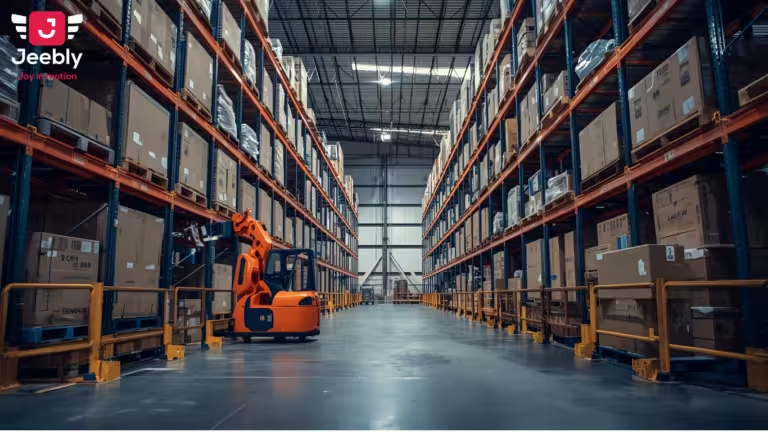
The logistics and supply chain industry in the Middle East is undergoing a major transformation. As e-commerce, on-demand delivery, and cross-border trade continue to grow, businesses are rethinking how warehouses operate. At the center of this shift is warehouse automation in the Middle East, which is redefining speed, accuracy, and scalability for modern logistics.
The Growing Need for Smarter Warehouses
The Middle East, especially markets like the UAE and Saudi Arabia has seen rapid growth in online shopping, retail expansion, and same-day delivery expectations. Traditional, manual warehousing models are no longer enough to keep up with high order volumes, tight delivery timelines, and rising labor costs.
This is where automation steps in. From smart sorting systems to robotic picking and real-time inventory tracking, automated warehouses help businesses process orders faster while reducing human error.
Key Automation Technologies Transforming Warehousing
Several technologies are driving warehouse automation in the Middle East:
1. Automated Storage and Retrieval Systems (ASRS)
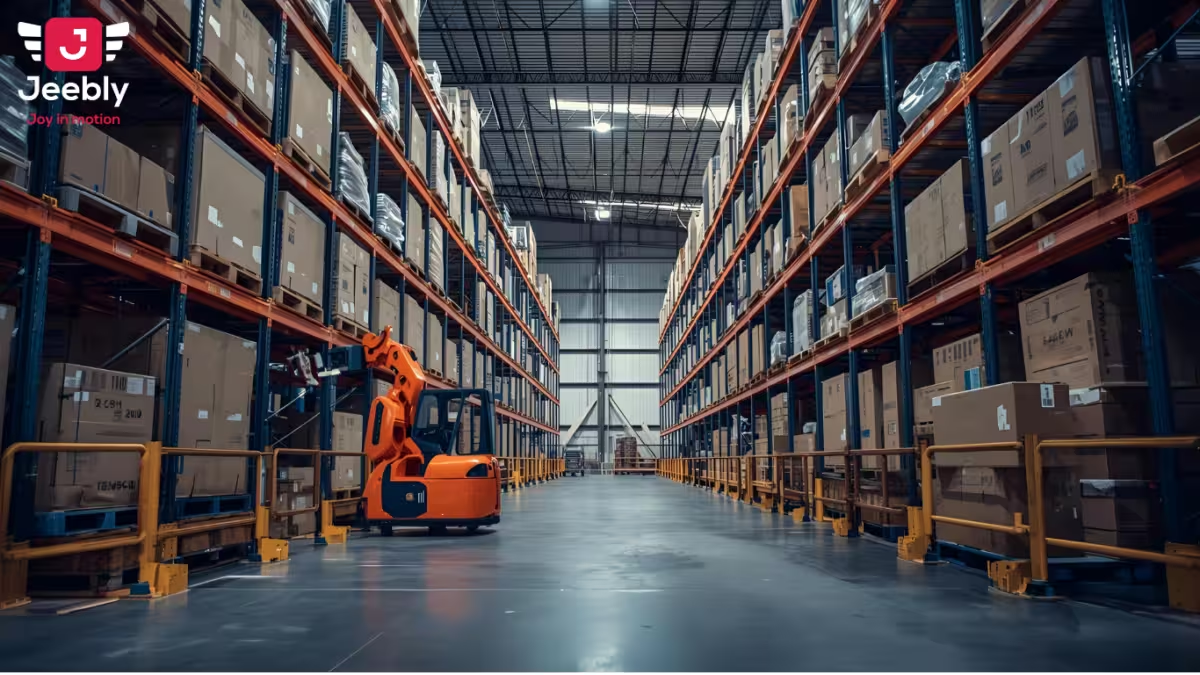
ASRS solutions use robotics and software to store and retrieve goods efficiently. These systems maximize vertical space, reduce handling time, and improve inventory accuracy, ideal for urban warehouses with limited space.
2. Robotics and Smart Picking Systems
Warehouse robots assist with picking, packing, and moving goods across facilities. This not only speeds up order fulfillment but also reduces dependency on manual labor during peak seasons.
3. Warehouse Management Systems (WMS)
Modern WMS platforms provide real-time visibility into inventory, orders, and workflows. Businesses can track stock levels, manage returns, and optimize storage layouts using data-driven insights.
4. IoT and Sensors
IoT-enabled sensors monitor temperature, humidity, and movement, especially critical for temperature-controlled logistics in the region. This is particularly valuable for food, pharmaceuticals, and sensitive goods.
Why Automation Matters in the Middle East
Automation is not just about efficiency, it’s about competitiveness. With rising customer expectations for fast and reliable delivery, businesses that invest in smart warehousing gain a clear advantage.
Key benefits include:
1) Faster order processing and dispatch
2) Reduced operational costs over time
3) Improved accuracy and fewer delivery errors
4) Better scalability during high-demand periods
5) Enhanced safety for warehouse staff
Governments across the Middle East are also investing heavily in smart infrastructure, AI, and digital transformation, making this the right time for logistics players to adopt automation.
The Future of Warehouse Automation
As technology advances, warehouse automation in the Middle East will continue to evolve. AI-driven demand forecasting, autonomous mobile robots, and fully integrated supply chains will become more common. Businesses that adapt early will be better positioned to handle future growth and market shifts.
At Jeebly, we understand that efficient warehousing is the backbone of reliable delivery. By embracing smart logistics solutions and automation-ready processes, we help businesses move faster, scale smarter, and serve customers better.
Routes to insightful reads

Looking for the right logistics partner in the UAE? We break down DHL vs. Jeebly to help you choose between global express shipping and local, tech-driven e-commerce fulfillment. Discover which courier wins on domestic delivery speeds, Cash on Delivery (COD) handling, and cross-border customs.

Logisty and Jeebly serve different logistics needs, but which is the better choice for your business? This comparison explores their services, delivery capabilities, technology, coverage, eCommerce integrations, cash on delivery (COD), and fulfilment solutions to help UAE businesses choose the right logistics partner for growth.

VAT can significantly impact the cost of shipping and delivery services in the UAE, making it essential for businesses to understand how it applies to domestic and international shipments. This guide explains VAT rules, zero-rated and standard-rated services, invoicing requirements, and practical compliance tips to help businesses manage logistics costs and stay compliant with UAE tax regulations.

Cash on Delivery (COD) fraud is a growing challenge for e-commerce businesses across the UAE, leading to fake orders, delivery failures and unnecessary operational costs. Learn how to identify common fraud tactics, implement effective prevention strategies and protect your business while maintaining a seamless customer experience.

Customs clearance is a critical step in moving goods into and out of the UAE. Whether you’re importing, exporting, or shipping across borders, understanding the customs process, required documentation, and compliance requirements can help you avoid delays, reduce costs, and keep your supply chain running efficiently.