






Jeebly | Logistics Solutions

Categories
blogs

Your Guide To Tackling Customs Clearance In GCC!

When it comes to doing business in the Gulf Cooperation Council (GCC) countries, navigating the complex world of customs clearance can be a significant challenge. With a variety of regulations, procedures, and paperwork requirements to consider, it's no wonder that many companies find themselves struggling to manage their customs processes effectively.

Your Guide to Tackling Customs Clearance in the GCC

When it comes to doing business in the Gulf Cooperation Council (GCC) countries, navigating the complex world of customs clearance can be a significant challenge. With a variety of regulations, procedures, and paperwork requirements to consider, it's no wonder that many companies find themselves struggling to manage their customs processes effectively. Here are some tips and insights that can help you streamline your customs process so that you focus on what really matters: growing your business.
The custom’s department in the GCC region includes six countries: Bahrain, Kuwait, Oman, Qatar, Saudi Arabia, and the United Arab Emirates. Each of these countries has their own customs regulations and procedures, making it a complex and time-consuming process for businesses.
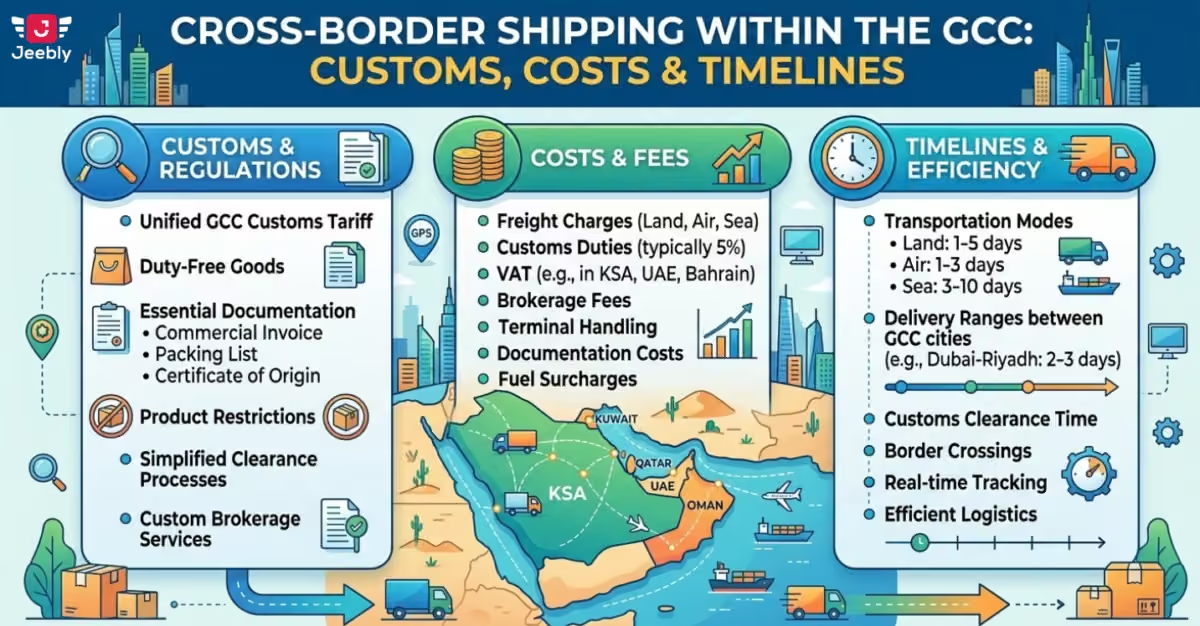
However, with the help of Jeebly, a global logistics and customs clearance platform, businesses can streamline the customs clearance process and ensure smooth delivery of their goods across GCC. One of the biggest challenges businesses go through is in clearing customs in GCC countries and ensuring that they have all the required documentation. Documents are necessary for customs clearance in GCC countries so that customs authorities can verify the details of the shipment, ensure compliance with import/export regulations, determine the appropriate duty or tariff rate, and prevent the entry of prohibited or restricted goods. The documentation needs to be in perfect order for smooth custom clearance. Failure to provide any of the necessary documents can result in delays and even the rejection or seizure of the goods.

Here’s a list of documents you need to have for Custom Clearance in the GCC Countries:

  • Commercial Invoice
  • Packing List
  • Certificate of Origin
  • Bill of Lading or Airway Bill
  • Permits or licenses (if required)

Jeebly helps businesses overcome these challenges by providing a robust customs clearance platform that ensures all necessary documentation is submitted in a timely manner. The platform also provides real-time tracking and alerts, so businesses can stay informed throughout the customs clearance process.

In addition to documentation, businesses also need to navigate complex customs regulations and procedures in GCC countries. This can be especially challenging for businesses that are new
to the region or are unfamiliar with the customs regulations.

The customs clearance process in the GCC countries can take anywhere from 3 to 14 days. This includes the time it takes for customs officials to inspect and verify the goods, as well as the time it takes for businesses to submit the necessary documentation.

GCC Customs Clearance Made Easy

Jeebly makes the process easier by providing expert customs clearance services. The platform's team of customs experts have extensive experience working with GCC customs officials and can provide guidance and support throughout the customs clearance process. Jeebly has also a platform that is integrated with major shipping carriers and airlines. This allows businesses to easily track their shipments and ensure timely delivery of their goods.
Clearing customs in the GCC countries may seem daunting to many businesses while others find it an extremely time-consuming process. With Jeebly's robust customs clearance platform and expert customs clearance services, businesses don’t have to worry about tiresome processes that take their time away from their core function. Instead, they can secure Jeebly’s smooth customs delivery/documentation services and efficient customs clearance for their global trade.

Routes to insightful reads

Jeebly delivery rider holding a package next to a branded motorcycle box in the UAE
What Is Contactless Delivery and How Does It Work in the UAE?

Discover what contactless delivery means and how it works in the UAE. Learn how companies like Jeebly are making parcel delivery safer, faster, and more convenient for businesses and customers across Dubai and the Emirates in 2026.

Read More
Multiple delivery company motorcycles parked on a Dubai street including Noon, Jeebly, Keeta, Deliveroo and Careem branded bikes with the city skyline in the background
List of Delivery Companies in Dubai: Best Options for Businesses in 2026

This busy Dubai street scene says it all — with Noon, Jeebly, Deliveroo, Keeta, and Careem all competing for deliveries, businesses in Dubai have more courier options than ever. Discover which delivery company is the best fit for your business in 2026.

Read More
Carrier vs Courier: What's the Difference and Which Do You Need in UAE?
Carrier vs Courier: What’s the Difference and Which Do You Need in UAE?

The carrier vs courier distinction is one of the most misapplied decisions in business logistics. Both move goods from point A to point B. That’s where the similarity ends. Scale, speed, cost structure, and the type of business problem each solves are fundamentally different. This guide cuts through the noise: what separates them, when each is the right call, and how to match the model to your shipment before it costs you.

Read More
Top Delivery Companies in UAE (2026): Compared by Speed, Coverage & Features

Picking the wrong delivery partner costs more than just money. A missed window, a failed first attempt, or a COD reconciliation delay can quickly become your brand’s problem, not the courier’s. We cover seven providers operating across the UAE in 2026, what each does well, where each falls short, and which business type each actually suits.

Read More
Porter vs Jeebly: Understanding the Difference and Choosing the Right Delivery Partner in Dubai

Picking a delivery partner in Dubai sounds straightforward until the bills don’t match the quotes, the tracking goes quiet, or your business outgrows what the platform can handle. This article breaks down both platforms in terms of pricing, technology, coverage, and support so you know exactly what you are choosing and why.

Read More

    Powered by