








Understanding Delivery SLAs: What UAE Businesses Should Know
A delivery SLA (Service Level Agreement) defines the maximum time allowed for a shipment to be delivered. In UAE eCommerce, standard SLAs are 24–48 hours for same-emirate and 72 hours for inter-emirate deliveries.
Core SLA components every UAE business should expect
A logistics SLA typically covers: promised delivery windows (same day, next day, timed slots), on time delivery metrics, first time delivery success, lost/damaged goods handling, customer support response times, and dispute or refund processes. These elements remove ambiguity and ensure accountability.
The KPIs that matter
The most common SLA KPIs are:
On-Time Delivery (OTD): percent of deliveries made within the promised window. This is the single most important trust metric for customers.
First-Delivery Success Rate (FDSR): how often parcels are delivered on the first attempt (reduces cost and returns).
Order Accuracy & Damage Rate: percent of orders delivered correctly and undamaged.
Customer Response / Resolution Time: how quickly the carrier responds to exceptions.
Tracking these KPIs in your SLA helps you measure carrier performance and protect margins.
Why local context matters in the UAE
UAE logistics operate under specific rules (postal and transport frameworks) and seasonal patterns (e.g., Ramadan/Eid surges). Make sure SLAs reference local requirements and include contingency plans for regulatory checks or peak-season capacity. (See Emirates Post / postal framework for local rules.)
Practical SLA clauses to negotiate
* Defined delivery windows (not “same day” vaguely — specify cut offs and guaranteed slots).
* Remediation & penalties (credits or refunds when KPIs miss targets).
* Escalation matrix & SLAs for support (response times for customer queries).
* COD handling & reconciliation terms (critical in UAE markets).
* Peak season capacity guarantees (Eid/Ramadan surge support).
For operational playbooks on cut offs and surge planning, see Jeebly’s Ramadan and peak season guidance. (e.g., How Jeebly Helps SMEs Scale During Peak Shopping Seasons).
How to monitor and enforce SLAs
Automate performance dashboards, ingest carrier telemetry (ETAs, proof of delivery), and run weekly KPI reviews. Use API integrations so order status and PODs flow into your CRM/ERP, this removes reconciliation lag and enables faster refunds and dispute handling.
Final checklist for choosing an SLA partner
* Are OTD and FDSR explicitly defined?
* Are penalties and remediation clear?
* Is there an API for real time data and digital proof of delivery?
* Does the SLA include peak season capacity and COD terms?
* Can the carrier demonstrate UAE compliance and local experience?
A well-written SLA converts promises into predictable business outcomes. For UAE businesses that depend on customer trust, tight delivery SLAs UAE are a commercial necessity and a strong SLA with the right partner (and API integrations) is one of the fastest ways to improve delivery performance and reduce customer complaints.
Frequently Asked Questions
A delivery SLA (Service Level Agreement) is a formal commitment that defines the expected delivery performance between a business and its logistics provider. It typically outlines delivery timelines, service standards, tracking requirements, reporting obligations, and performance metrics used to measure delivery success.
Delivery SLAs for UAE eCommerce businesses vary by service type. Same-day deliveries are often completed within a few hours, while next-day delivery is a common standard for orders placed before a specified cutoff time. Many businesses also track metrics such as on-time delivery rates, successful first-attempt deliveries, and customer satisfaction levels.
When a courier misses an SLA, the outcome depends on the agreement between the business and the logistics provider. Common responses include performance reviews, service credits, corrective action plans, reporting requirements, or other remedies defined within the contract. Consistent SLA failures may indicate operational issues that require improvement.
A delivery SLA should clearly define delivery timeframes, service coverage areas, pickup and delivery windows, tracking requirements, reporting standards, escalation procedures, performance targets, and responsibilities for both parties. It should also specify how performance will be measured and what happens if service levels are not met.
The right SLA depends on your business model and customer expectations. Most businesses should seek clear commitments around on-time delivery performance, shipment visibility, delivery attempt success rates, customer support responsiveness, proof of delivery, and issue resolution timelines. The SLA should align with your operational requirements and customer experience goals.
Routes to insightful reads

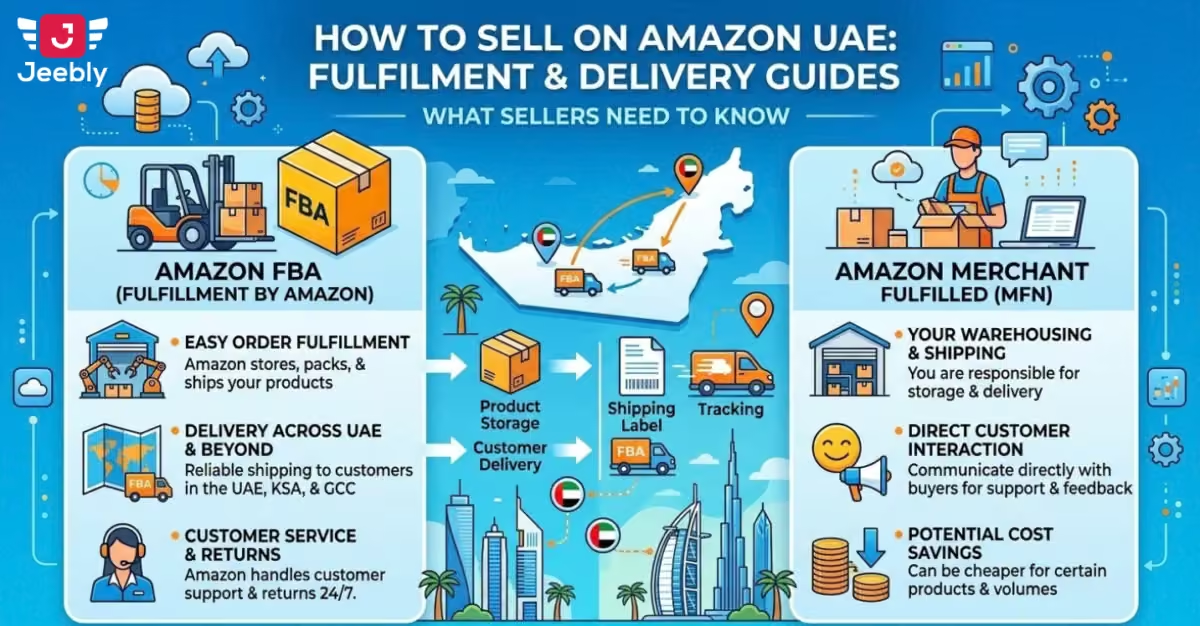
Selling on Amazon UAE offers massive growth potential, but choosing the right logistics model can make or break your margins. Discover the step-by-step onboarding process for Amazon.ae, explore the core differences between Fulfilment by Amazon (FBA) and Fulfilment by Merchant (FBM), and learn how to optimize your delivery strategy to scale efficiently in the UAE market.

Delivering high-value, luxury items in the UAE requires far more than standard shipping—it demands white-glove precision, specialized security protocols, and comprehensive transit insurance. Discover how premium handling, secure transit procedures, and asking the right questions of your courier partner ensure high-ticket goods reach your clients safely, preserving both product integrity and brand trust.
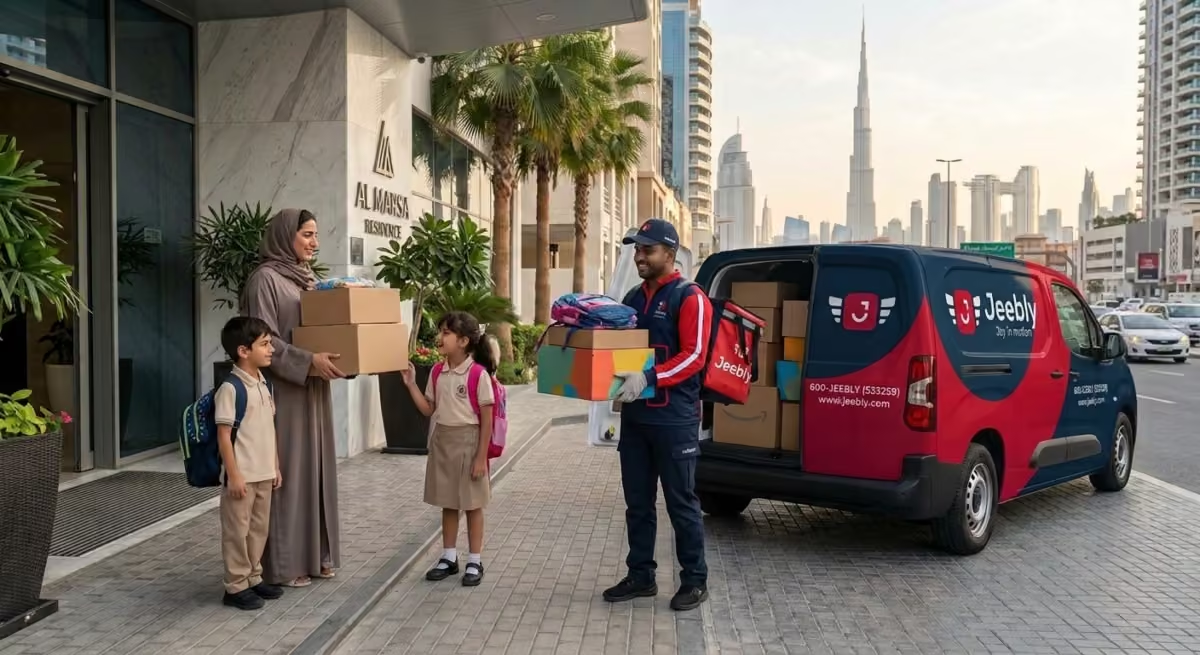
As the back-to-school rush hits the UAE, retailers face surging demand for fast, flexible, and reliable last-mile deliveries. From school uniforms and backpacks to tech essentials, learn how seamless multi-channel logistics, scheduled doorstep deliveries, and real-time tracking help UAE brands meet evolving parent expectations and turn seasonal spikes into long-term customer loyalty
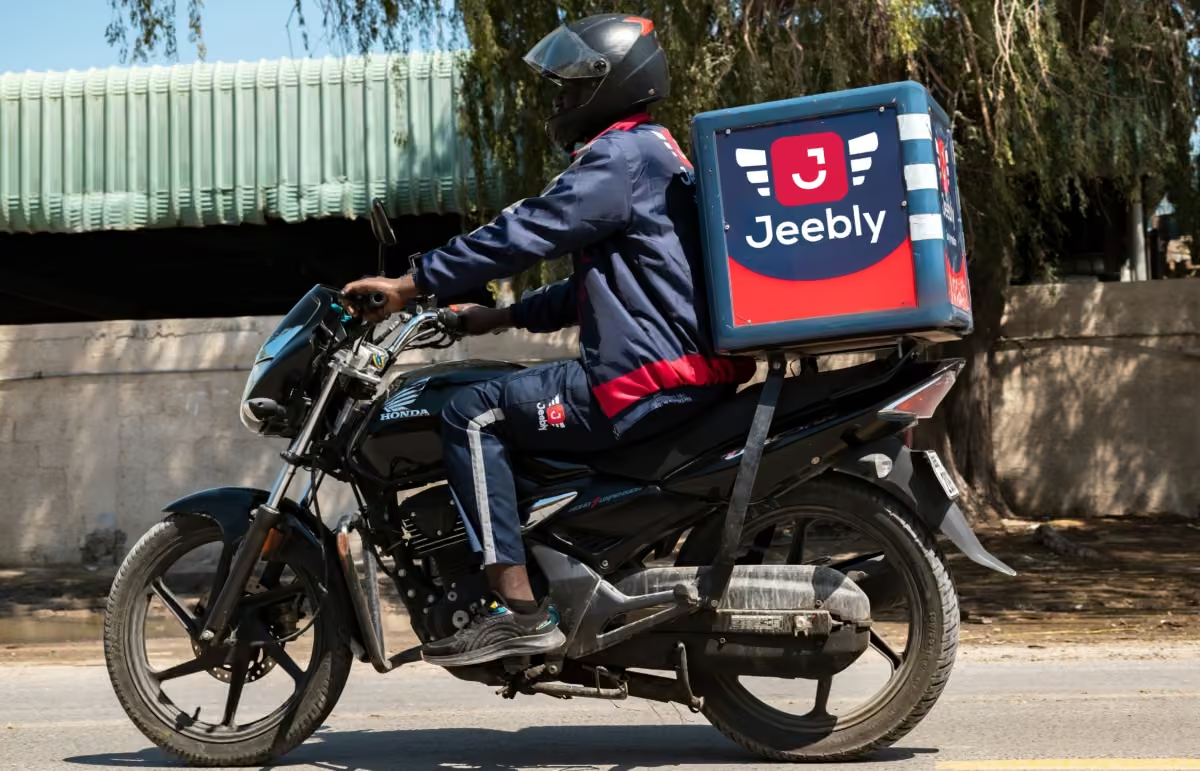
When speed is everything, traditional delivery options just won’t cut it. Learn how Jeebly Dash provides ultra-fast, on-demand courier services across the UAE—giving businesses and consumers a seamless booking experience, transparent pricing, and real-time tracking to ensure urgent parcels reach their destination within minutes.
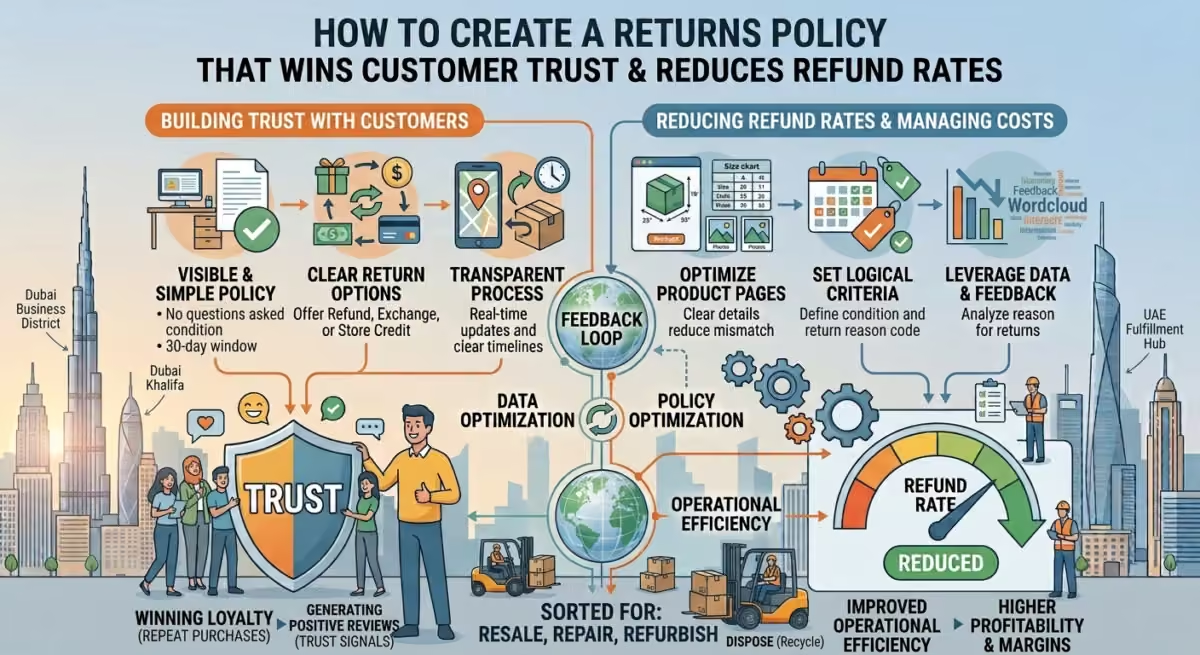
Mastering returns is a delicate balancing act for e-commerce brands—make it too strict, and you lose customer trust; make it too lenient, and your profit margins take a hit. Discover actionable strategies to build a seamless, customer-first returns policy that converts first-time buyers into loyal brand advocates while optimizing backend operations to keep refund rates and logistics costs low.