





Explore 2025 Trends in UAE Logistics & Delivery
The UAE stands at the heart of the Middle East’s digital transformation. With one of the world’s highest internet penetration rates and a tech-savvy population, the country’s e-commerce sector is booming. This rapid growth isn’t just about more online stores; it’s fundamentally changing how goods move, placing immense pressure on traditional logistics. The key to thriving in this dynamic landscape lies not just in offering a product, but in providing a seamless and reliable UAE ecommerce delivery 2025 experience.
The E-commerce Surge in the UAE
Online retail sales in the UAE continue to shatter records in 2025. Shoppers today expect not just variety and value, but also transparency and speed in product delivery. Brands—whether local startups or global giants entering the GCC region—know that last-mile delivery excellence has become their true differentiator for customer loyalty and market growth.
Meeting the Demand: New Delivery Models
As order volumes soar, UAE ecommerce delivery 2025 has moved beyond traditional courier services. The rise of hyperlocal marketplaces, on-demand platforms, and specialized verticals means delivery providers must now offer:
Same-day and next-day delivery for instant gratification
Flexible, time-slot scheduling for busy urban lifestyles
Advanced order tracking and proactive communication
Contactless and secure delivery options for health-conscious consumers
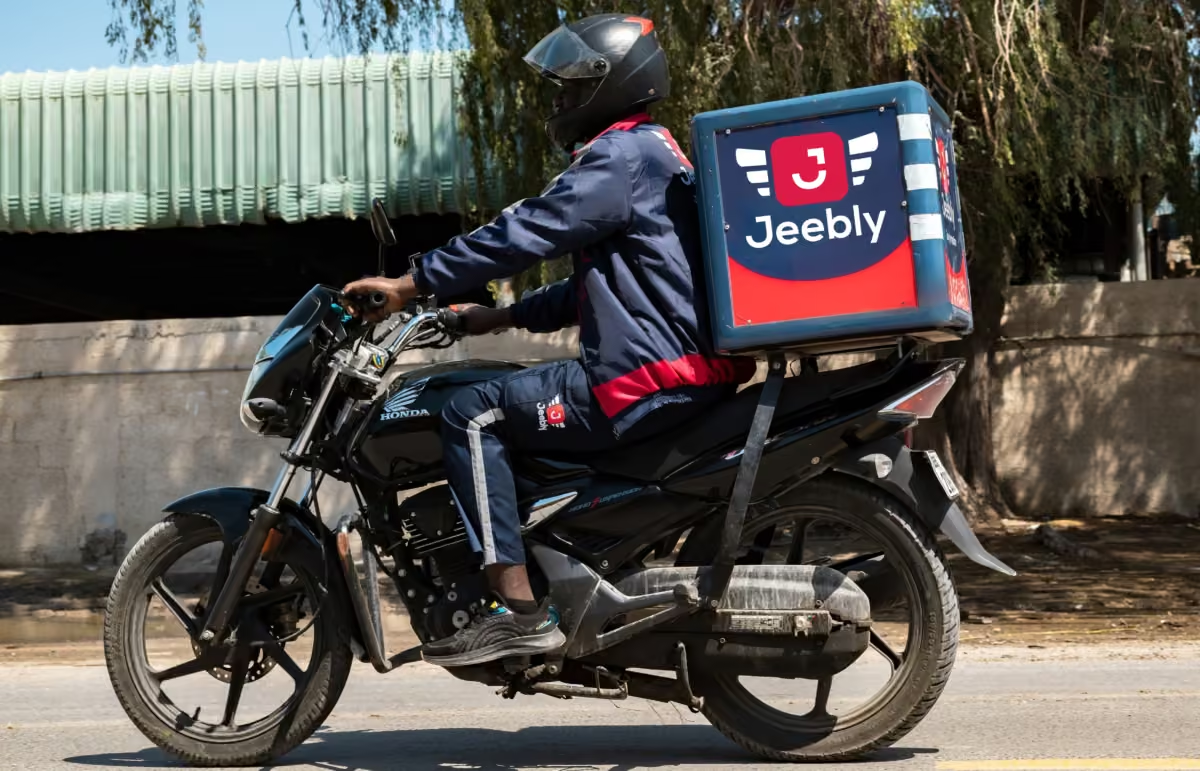
To serve a market that expects seamlessness, innovative companies like Jeebly have introduced user-friendly dashboards, real-time fleet tracking, and dedicated support teams for retailers of all sizes.
Technology: The Cornerstone of Reliable Delivery
The evolution of UAE ecommerce delivery 2025 is powered by technology. Automated sorting hubs, AI-powered route optimizations, and robust APIs for e-commerce integration ensure faster fulfillment and higher accuracy. Smart inventory placement—moving goods closer to high-demand zones—means brands can promise and deliver ultra-fast shipping at scale.
For retailers and restaurants, modern logistics platforms offer direct access to order dashboards across mobile and desktop, making it easy to manage surges, returns, and customer care—all from one place.
The Role of Jeebly in Shaping UAE Ecommerce Delivery 2025
At Jeebly, we understand that businesses in the UAE need more than just a delivery partner—they need a logistics ally who can scale with their growth. Our solutions are designed to support retailers, e-commerce platforms, and SMEs during both regular and peak shopping seasons. With a focus on innovation, reliability, and rider empowerment, Jeebly ensures that every delivery contributes to stronger customer satisfaction and long-term business success.
From real-time order visibility to rider excellence initiatives, Jeebly is constantly adapting to meet the evolving needs of UAE ecommerce delivery 2025. We build systems that work for the people who make it all work—our frontline riders and our business partners.
Looking Ahead
With continued expansion of e-commerce and rising customer expectations, the future will be defined by even greater personalization, predictive delivery, and sustainability. Businesses that partner with agile, tech-driven logistics providers will not only meet but exceed customer demands.
As UAE ecommerce delivery 2025 evolves, Jeebly stands ready as a reliable ally for retailers, restaurants, and brands—delivering seamless, transparent, and future-focused logistics solutions for the nation’s digital retail boom.
Routes to insightful reads

Discover what contactless delivery means and how it works in the UAE. Learn how companies like Jeebly are making parcel delivery safer, faster, and more convenient for businesses and customers across Dubai and the Emirates in 2026.

This busy Dubai street scene says it all — with Noon, Jeebly, Deliveroo, Keeta, and Careem all competing for deliveries, businesses in Dubai have more courier options than ever. Discover which delivery company is the best fit for your business in 2026.

The carrier vs courier distinction is one of the most misapplied decisions in business logistics. Both move goods from point A to point B. That’s where the similarity ends. Scale, speed, cost structure, and the type of business problem each solves are fundamentally different. This guide cuts through the noise: what separates them, when each is the right call, and how to match the model to your shipment before it costs you.

Picking the wrong delivery partner costs more than just money. A missed window, a failed first attempt, or a COD reconciliation delay can quickly become your brand’s problem, not the courier’s. We cover seven providers operating across the UAE in 2026, what each does well, where each falls short, and which business type each actually suits.

Picking a delivery partner in Dubai sounds straightforward until the bills don’t match the quotes, the tracking goes quiet, or your business outgrows what the platform can handle. This article breaks down both platforms in terms of pricing, technology, coverage, and support so you know exactly what you are choosing and why.