





Micro-Fulfillment Centres: The Future of Urban Logistics in the UAE
The UAE’s e-commerce and on-demand economy is growing at an unprecedented pace. Customers expect faster deliveries, precise tracking, and flexible delivery slots, all while businesses aim to keep costs under control. To meet these demands, logistics providers are turning to micro-fulfillment centres in the UAE as a smarter way to manage inventory and speed up last-mile delivery.
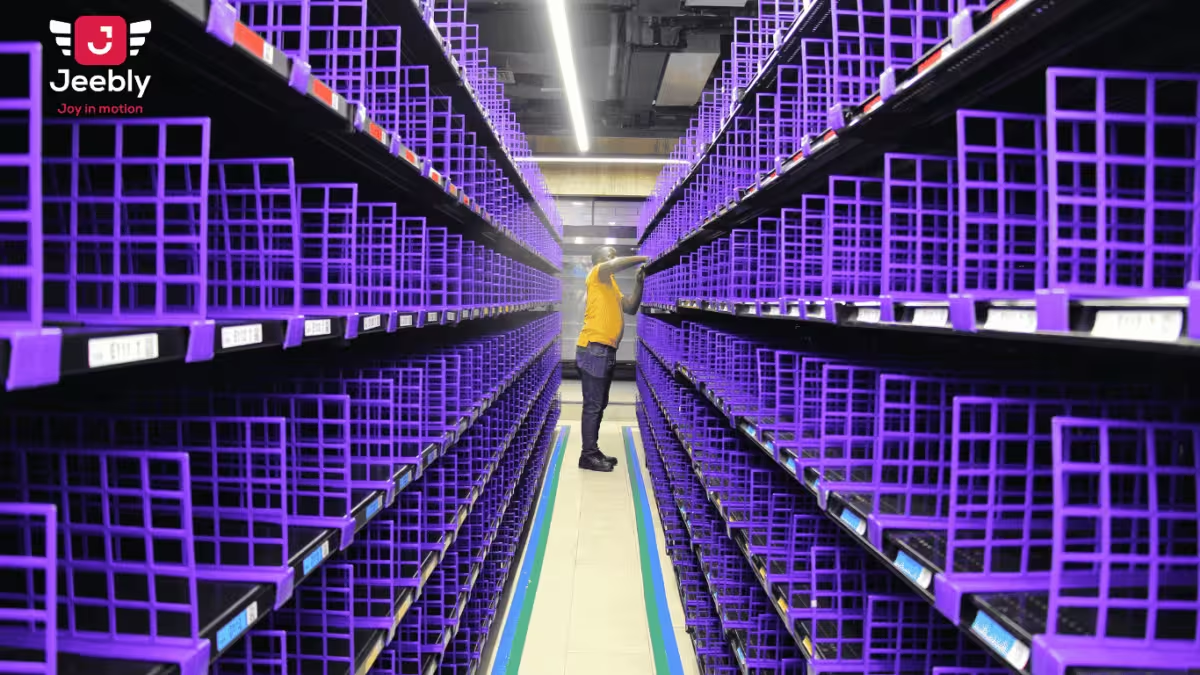
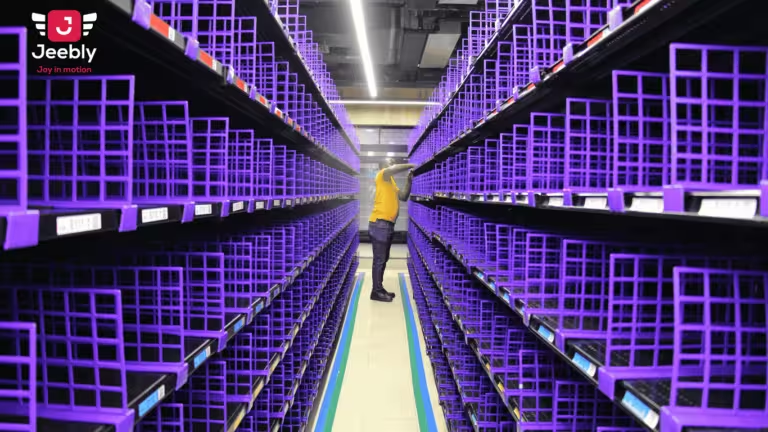
Micro-fulfillment centres (MFCs) are small, strategically located storage hubs positioned closer to high demand urban areas. Unlike traditional warehouses that sit on city outskirts, these compact facilities operate within or near dense neighborhoods, enabling quicker dispatch and shorter delivery routes. For a logistics driven market like the UAE, this shift is transforming how goods move across cities.
Why Micro-Fulfillment Centres Matter
The rise of quick commerce, has made traditional distribution models less efficient. Longer travel distances from large warehouses lead to higher fuel costs, delivery delays, and increased emissions. By contrast, micro-fulfillment centres in the UAE allow businesses to store fast moving inventory closer to customers, reducing transit times and improving delivery reliability.
For e-commerce brands, this means:
Faster order processing and dispatch
Reduced last mile delivery costs
Improved customer satisfaction
Better inventory visibility across locations
For customers, it results in quicker deliveries, more accurate ETAs, and greater convenience.
Supporting the Growth of On-Demand Commerce
The UAE’s retail and social commerce sectors are expanding rapidly. From fashion sellers to grocery platforms, businesses need flexible storage and distribution solutions that can scale with demand. Micro-fulfillment centres make this possible by enabling companies to store smaller inventory volumes across multiple urban locations rather than relying on one central warehouse.
This distributed approach ensures products are always closer to the end customer. During peak seasons or promotional periods, businesses can process more orders without overwhelming a single facility. The result is smoother operations and fewer delivery bottlenecks.
Technology Powers Efficiency
Modern micro-fulfillment centres rely heavily on technology. Real-time inventory tracking, automated sorting systems, and smart routing tools ensure that orders are processed quickly and accurately. Data visibility across the supply chain allows logistics providers to allocate deliveries more efficiently and avoid unnecessary trips.
For companies operating in the UAE’s fast paced cities, this tech enabled model helps maintain consistent delivery performance even during high demand periods.
Sustainability Benefits
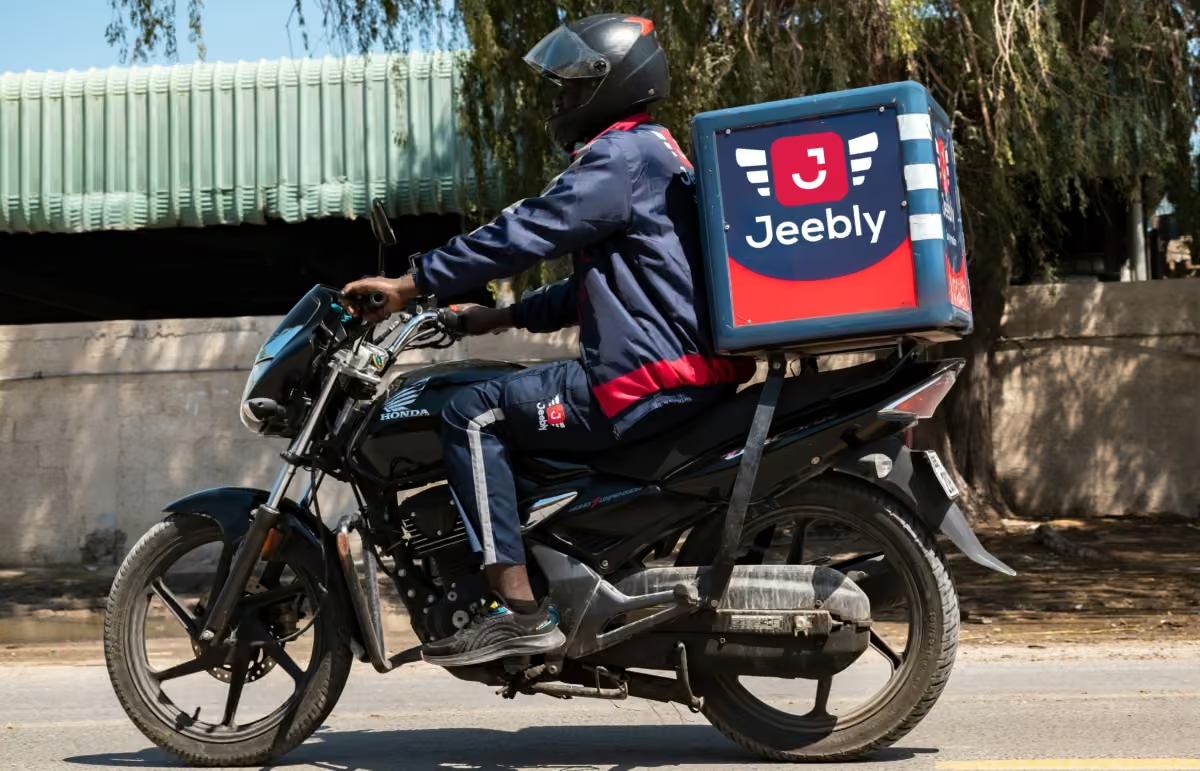
Sustainability is becoming a priority across the UAE’s logistics sector. By shortening delivery distances and enabling optimized routing, micro-fulfillment centres help reduce fuel consumption and emissions. When combined with electric vehicles or bike based delivery fleets, they support cleaner and more efficient urban logistics.
This makes micro-fulfillment centres in the UAE not just a speed advantage but also a sustainable solution for future ready logistics operations.
How Jeebly Supports Smarter Urban Logistics
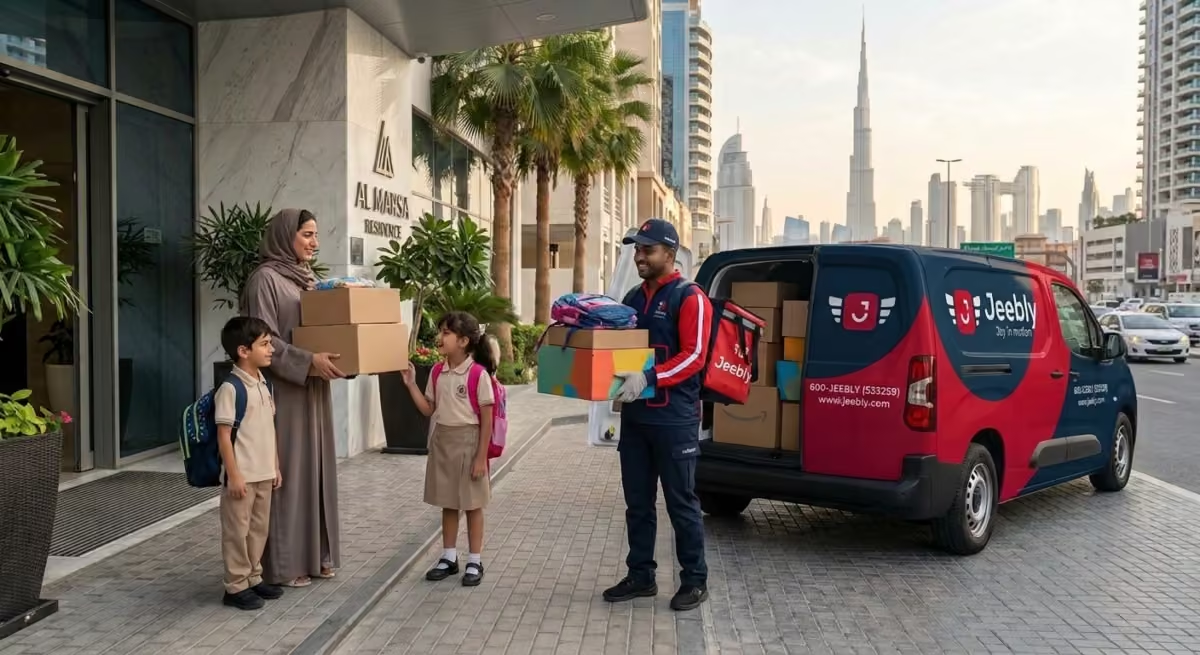
At Jeebly, we recognize the growing importance of micro-fulfillment strategies. By positioning inventory closer to demand and leveraging smart routing technology, we help businesses achieve faster deliveries, better cost efficiency, and improved customer experiences. Our approach focuses on building a logistics ecosystem that supports both speed and sustainability across UAE cities and we have already launched multiple micro-fulfillment centres across Dubai, partnering with the biggest e commerce brands in the market.
The Road Ahead
As e-commerce continues to grow, the demand for faster, more reliable delivery will only increase. Micro-fulfillment centres are set to play a central role in meeting these expectations. Businesses that adopt this model early will gain a competitive advantage through quicker fulfillment, reduced costs, and stronger customer loyalty.
In the evolving logistics landscape, micro-fulfillment centres in the UAE are not just a trend, they are the future of urban delivery.
Routes to insightful reads

Looking for the right logistics partner in the UAE? We break down DHL vs. Jeebly to help you choose between global express shipping and local, tech-driven e-commerce fulfillment. Discover which courier wins on domestic delivery speeds, Cash on Delivery (COD) handling, and cross-border customs.

Logisty and Jeebly serve different logistics needs, but which is the better choice for your business? This comparison explores their services, delivery capabilities, technology, coverage, eCommerce integrations, cash on delivery (COD), and fulfilment solutions to help UAE businesses choose the right logistics partner for growth.

VAT can significantly impact the cost of shipping and delivery services in the UAE, making it essential for businesses to understand how it applies to domestic and international shipments. This guide explains VAT rules, zero-rated and standard-rated services, invoicing requirements, and practical compliance tips to help businesses manage logistics costs and stay compliant with UAE tax regulations.

Cash on Delivery (COD) fraud is a growing challenge for e-commerce businesses across the UAE, leading to fake orders, delivery failures and unnecessary operational costs. Learn how to identify common fraud tactics, implement effective prevention strategies and protect your business while maintaining a seamless customer experience.

Customs clearance is a critical step in moving goods into and out of the UAE. Whether you’re importing, exporting, or shipping across borders, understanding the customs process, required documentation, and compliance requirements can help you avoid delays, reduce costs, and keep your supply chain running efficiently.