







Logistics around
the globe
5 Reasons why Reverse Logistics is important for your Business
Author: Vikrant, Head of Operations
While return is always associated with customer dissatisfaction, an effective process can convert it into an opportunity to build better customer loyalty. The longer a reverse logistics pickup takes, the more agony is added to the customer. On the other hand, a quick return attempt increases the level of trust in the customer and pushes them further to stick to the platform. Many companies have now moved to a no-questions-asked policy for returns just to boost the customer’s confidence. Many companies have started seeing the return percentage as an increasing trend in their relationship with customers.
While improving every step of the supply chain, an effective reverse logistics solution can significantly impact the asset recovery of a business and, as a result, positively contribute at an operational level as well. From the time a customer raises a return request to the time the product has been returned to the seller/company, it stays as dead inventory in the chain, causing wastage in cost and inventory. So, apart from customer satisfaction, a quick return also adds the opportunity for the return product to be resold or treated as per the status.
Reverse shipments allow a company to closely monitor the quality of the product, and a high return rate acts as an alert to relook into the quality. Returns due to size issues have acted as a catalyst for improvements with features like size charts, size guides, and virtual trials. Such continuous improvements in the UI help in attracting better traffic to the platform. Additionally, companies can identify quality sourcing partners through simple data analytics to reduce returns.
Improved ROI and sustainability
A cost-effective reverse logistics system can not only help the company reduce its return cost, but the speed of returns can further help in customer retention and improved revenue. Reverse logistics is sometimes considered a dead cost and is not prioritized by e-commerce companies. However, one must remember that while half of the customer experience is drawn by the web interface and products, the other 50% of the consumer life cycle consists of fulfillment and logistics.
Routes to insightful reads

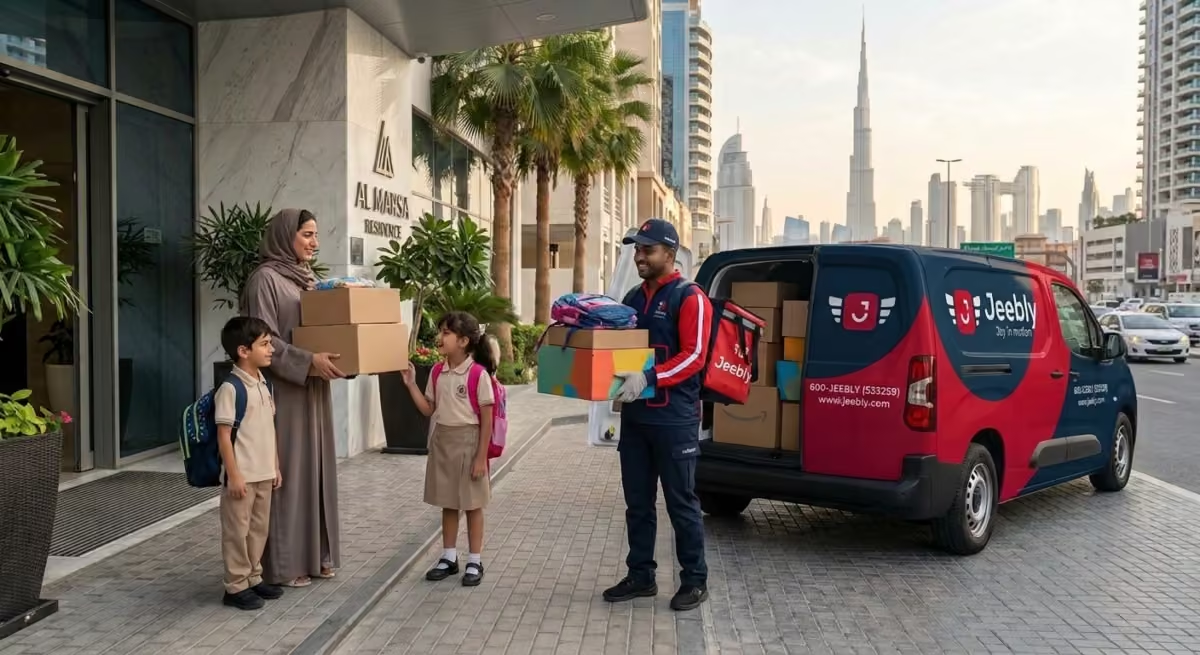
As the back-to-school rush hits the UAE, retailers face surging demand for fast, flexible, and reliable last-mile deliveries. From school uniforms and backpacks to tech essentials, learn how seamless multi-channel logistics, scheduled doorstep deliveries, and real-time tracking help UAE brands meet evolving parent expectations and turn seasonal spikes into long-term customer loyalty
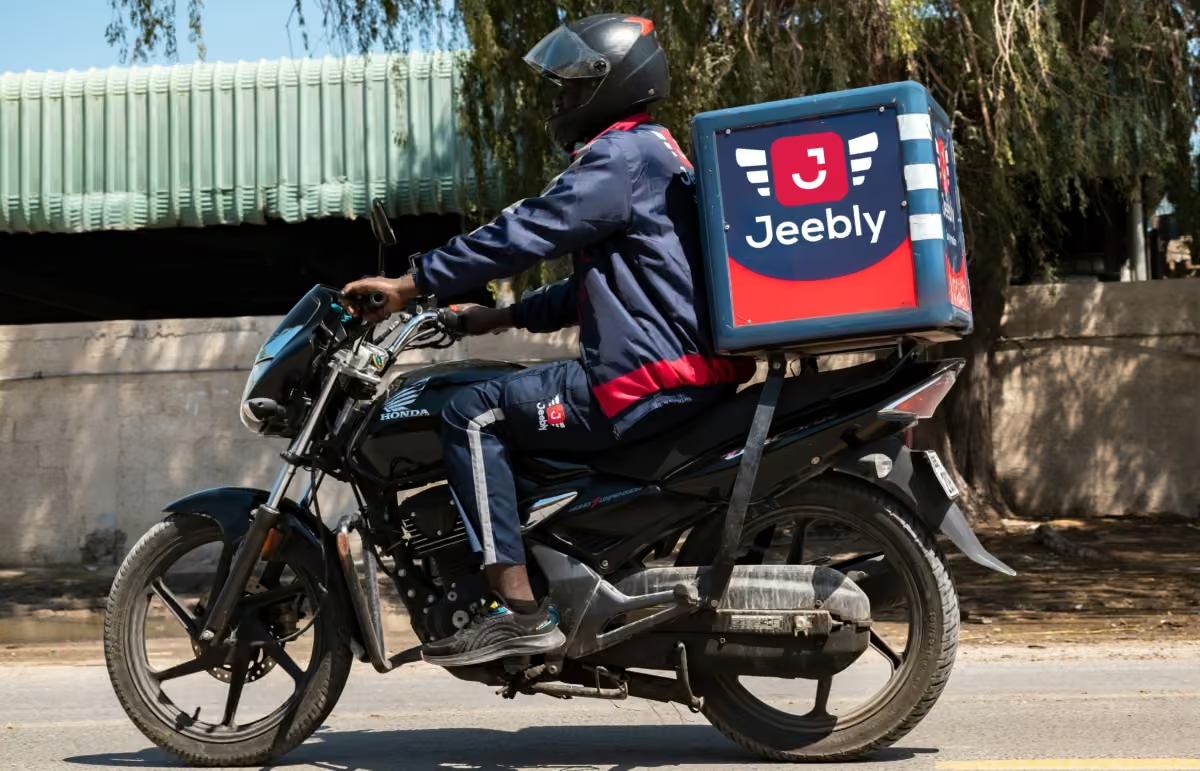
When speed is everything, traditional delivery options just won’t cut it. Learn how Jeebly Dash provides ultra-fast, on-demand courier services across the UAE—giving businesses and consumers a seamless booking experience, transparent pricing, and real-time tracking to ensure urgent parcels reach their destination within minutes.
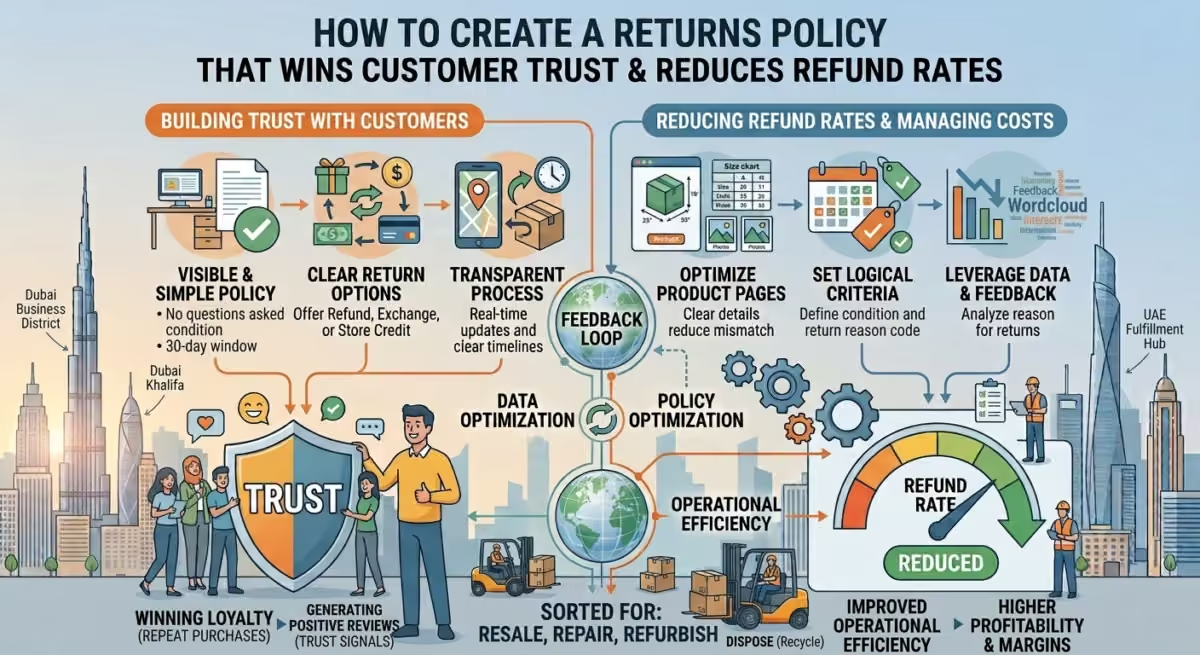
Mastering returns is a delicate balancing act for e-commerce brands—make it too strict, and you lose customer trust; make it too lenient, and your profit margins take a hit. Discover actionable strategies to build a seamless, customer-first returns policy that converts first-time buyers into loyal brand advocates while optimizing backend operations to keep refund rates and logistics costs low.

First impressions don’t end at checkout—they extend right to your customer’s doorstep. In today’s competitive UAE eCommerce landscape, the unboxing experience serves as a powerful physical touchpoint that turns one-time buyers into loyal brand advocates. Discover how thoughtful packaging, personalized touches, and seamless presentation drive customer delight, boost repeat purchases, and transform routine deliveries into social-media-worthy moments.
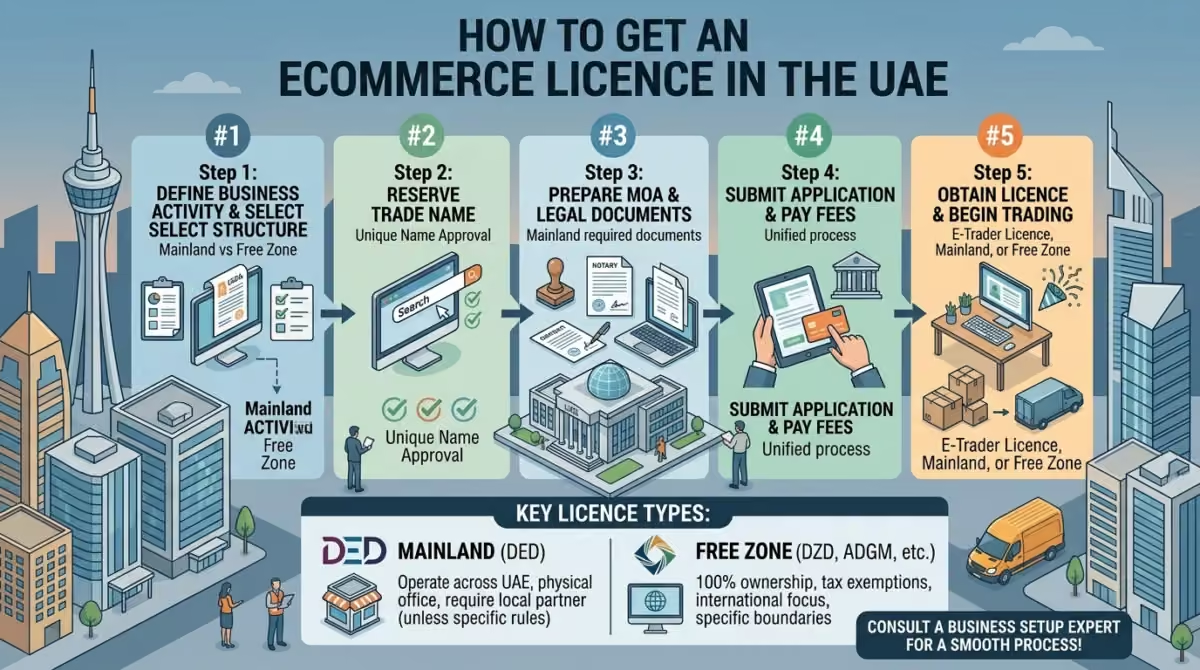
Planning to start an eCommerce business in the UAE? Learn how to get an eCommerce licence, choose between mainland and free zone options, prepare the required documents, submit your application, and complete the licensing process to start trading legally in the UAE.