





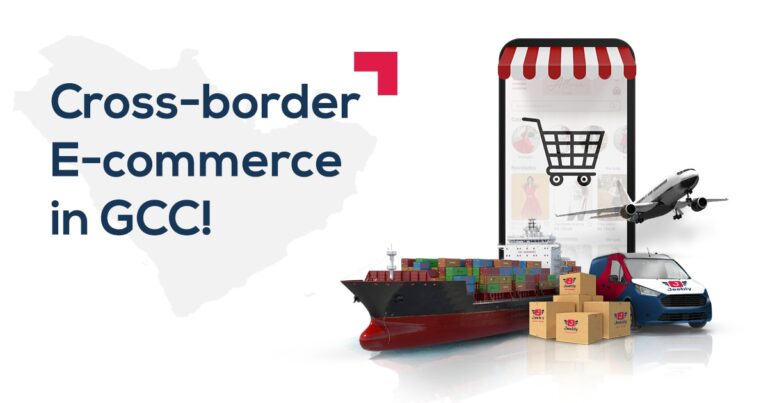

Cross-border E-commerce in GCC!
The Growth of Cross-Border E-commerce in GCC
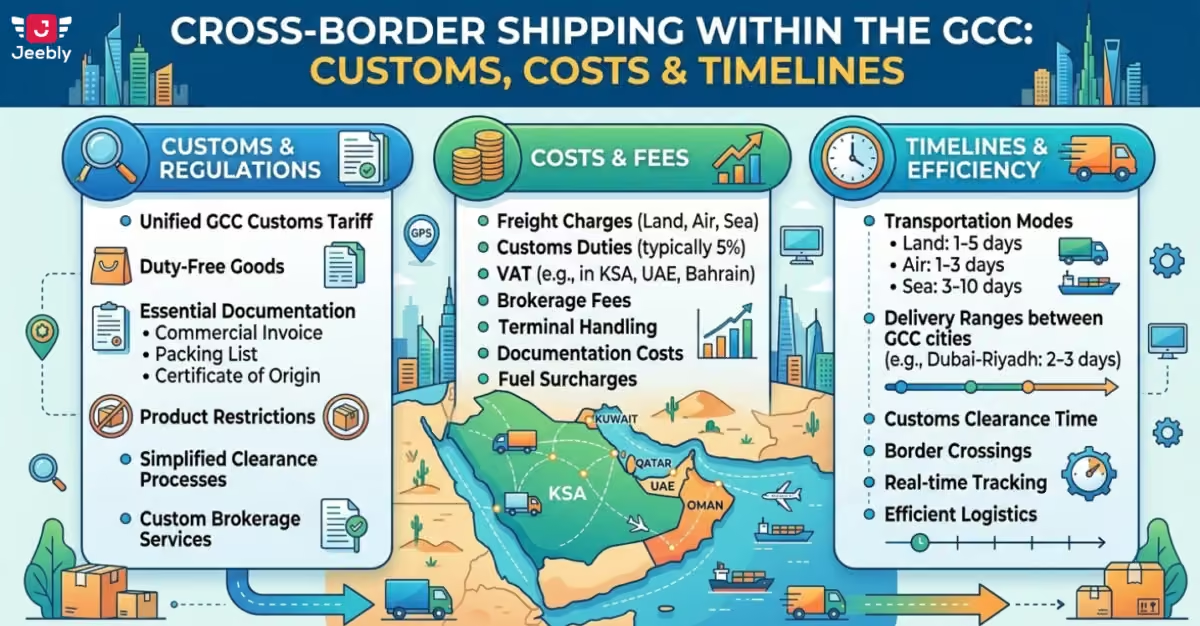
Import Regulations in the GCC Market
Businesses that want to engage in cross-border e-commerce in the GCC need to comply with import regulations updated to 2023. The following are some general regulations that businesses need to comply with:
- The GCC Standardization Organization (GSO) Technical Regulations,
- The GCC Customs Union Common External Tariff (CET), and
- The GCC Conformity Assessment Scheme (G-Mark)
Some of the recent and upcoming changes in the GCC import regulations and standards are:
- The Harmonized System Convention (HS 2022): Based on changes in environmental and technological needs, the GCC region adopted this regulation on 1 January 2022. It was made to update the previous regulations on tariffs.
- Saudi Arabia has revised its regulations restricting preferential tariff concessions on imports from other GCC countries using Israeli input or made in free zones.
- The GCC would implement a common value-added tax (VAT) of 5% on most goods and services by 2023, following the lead of Saudi Arabia and the UAE which introduced VAT in 2018.
Expanding your business through cross-border e-commerce in the GCC market is an excellent opportunity to increase sales, but compliance with import regulations is crucial. Partnering with local businesses can provide valuable guidance to maximize your success.
Steps to Take Before Your Business Considers Cross-Border Shipping
Here are three things you need to do before you dive into the world of cross-border e-commerce and start cross-border shipping:
- Conduct Market Research: Customize products to customer preferences and behavior.
- Find a Logistics Partner: Quick, safe, and trusted delivery.
- Secure Payment Methods: Essential for smooth cross-border transactions.
You can partner with local businesses and research cultural and legal differences when expanding in GCC to root your business. The main driving forces that make the GCC region beneficial for your business are the growing population, high living standards, and business-friendly regulations.
How Jeebly Brings Your Business to the GCC Region
Jeebly is a leading tech-enabled logistics company based in Dubai, offering road, air, and ocean freight services for e-commerce businesses in the UAE, GCC, and MENA. Our freight services are cost-effective and designed for the needs of e-commerce businesses.
Our line haul services are specially designed for the GCC region for e-commerce, and we also provide free-zone warehousing services with no taxes or VAT. Additionally, our other value-added services include:
- 24/7 inbound and outbound operations
- Associated with custom clearance & shipping partners
- Last-mile delivery at the speed of smart!
Conclusion
Routes to insightful reads

Picking the wrong delivery partner costs more than just money. A missed window, a failed first attempt, or a COD reconciliation delay can quickly become your brand’s problem, not the courier’s. We cover seven providers operating across the UAE in 2026, what each does well, where each falls short, and which business type each actually suits.

Picking a delivery partner in Dubai sounds straightforward until the bills don’t match the quotes, the tracking goes quiet, or your business outgrows what the platform can handle. This article breaks down both platforms in terms of pricing, technology, coverage, and support so you know exactly what you are choosing and why.

Your courier partner is not a vendor you swap easily. It shapes how customers experience your brand after checkout. This article maps providers across service capabilities, technology, pricing structures, and e-commerce fit, so you can match the right partner to how your business actually operates.

Your logistics partner is the last thing your customer experiences before forming an opinion about your brand. The iMile vs Jeebly question comes up often for UAE e-commerce brands, and rightly so. This article compares both carriers across coverage, delivery speed, pricing, SLAs, technology, and reverse logistics so you can choose based on what your business actually needs.

Your delivery partner is your brand’s last impression. When a parcel arrives late, tracking goes silent, or a COD reconciliation takes a week, the customer blames your brand. So when UAE businesses compare Quiqup vs Jeebly, the real question is: which provider actually protects your customer experience while your order volumes grow?