
Jeebly | Logistics Solutions

Micro-Fulfillment Centres: The Future of Urban Logistics in the UAE​

Micro-Fulfillment Centres: The Future of Urban Logistics in the UAE

The UAE’s e-commerce and on-demand economy is growing at an unprecedented pace. Customers expect faster deliveries, precise tracking, and flexible delivery slots, all while businesses aim to keep costs under control. To meet these demands, logistics providers are turning to micro-fulfillment centres in the UAE as a smarter way to manage inventory and speed up last-mile delivery.

Micro-fulfillment centres (MFCs) are small, strategically located storage hubs positioned closer to high demand urban areas. Unlike traditional warehouses that sit on city outskirts, these compact facilities operate within or near dense neighborhoods, enabling quicker dispatch and shorter delivery routes. For a logistics driven market like the UAE, this shift is transforming how goods move across cities.

Why Micro-Fulfillment Centres Matter

The rise of quick commerce, has made traditional distribution models less efficient. Longer travel distances from large warehouses lead to higher fuel costs, delivery delays, and increased emissions. By contrast, micro-fulfillment centres in the UAE allow businesses to store fast moving inventory closer to customers, reducing transit times and improving delivery reliability.

For e-commerce brands, this means:

  • Faster order processing and dispatch

  • Reduced last mile delivery costs

  • Improved customer satisfaction

  • Better inventory visibility across locations

For customers, it results in quicker deliveries, more accurate ETAs, and greater convenience.

Supporting the Growth of On-Demand Commerce

The UAE’s retail and social commerce sectors are expanding rapidly. From fashion sellers to grocery platforms, businesses need flexible storage and distribution solutions that can scale with demand. Micro-fulfillment centres make this possible by enabling companies to store smaller inventory volumes across multiple urban locations rather than relying on one central warehouse.

This distributed approach ensures products are always closer to the end customer. During peak seasons or promotional periods, businesses can process more orders without overwhelming a single facility. The result is smoother operations and fewer delivery bottlenecks.

Technology Powers Efficiency

Modern micro-fulfillment centres rely heavily on technology. Real-time inventory tracking, automated sorting systems, and smart routing tools ensure that orders are processed quickly and accurately. Data visibility across the supply chain allows logistics providers to allocate deliveries more efficiently and avoid unnecessary trips.

For companies operating in the UAE’s fast paced cities, this tech enabled model helps maintain consistent delivery performance even during high demand periods.

Sustainability Benefits

Sustainability is becoming a priority across the UAE’s logistics sector. By shortening delivery distances and enabling optimized routing, micro-fulfillment centres help reduce fuel consumption and emissions. When combined with electric vehicles or bike based delivery fleets, they support cleaner and more efficient urban logistics.

This makes micro-fulfillment centres in the UAE not just a speed advantage but also a sustainable solution for future ready logistics operations.

How Jeebly Supports Smarter Urban Logistics

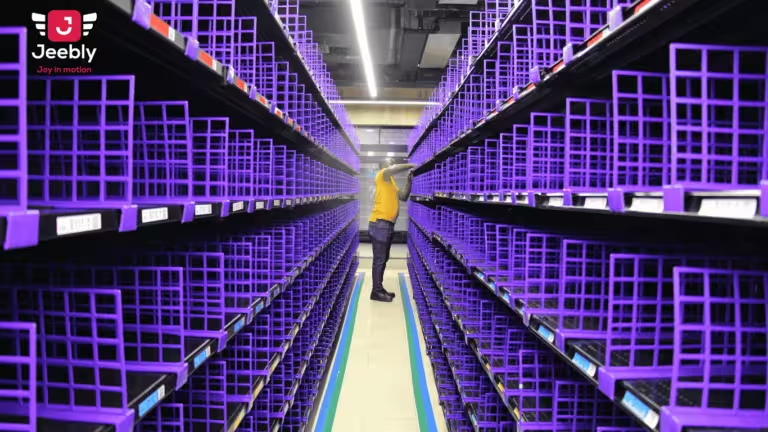
At Jeebly, we recognize the growing importance of micro-fulfillment strategies. By positioning inventory closer to demand and leveraging smart routing technology, we help businesses achieve faster deliveries, better cost efficiency, and improved customer experiences. Our approach focuses on building a logistics ecosystem that supports both speed and sustainability across UAE cities and we have already launched multiple micro-fulfillment centres across Dubai, partnering with the biggest e commerce brands in the market.

The Road Ahead

As e-commerce continues to grow, the demand for faster, more reliable delivery will only increase. Micro-fulfillment centres are set to play a central role in meeting these expectations. Businesses that adopt this model early will gain a competitive advantage through quicker fulfillment, reduced costs, and stronger customer loyalty.

In the evolving logistics landscape, micro-fulfillment centres in the UAE are not just a trend, they are the future of urban delivery.

Routes to insightful reads

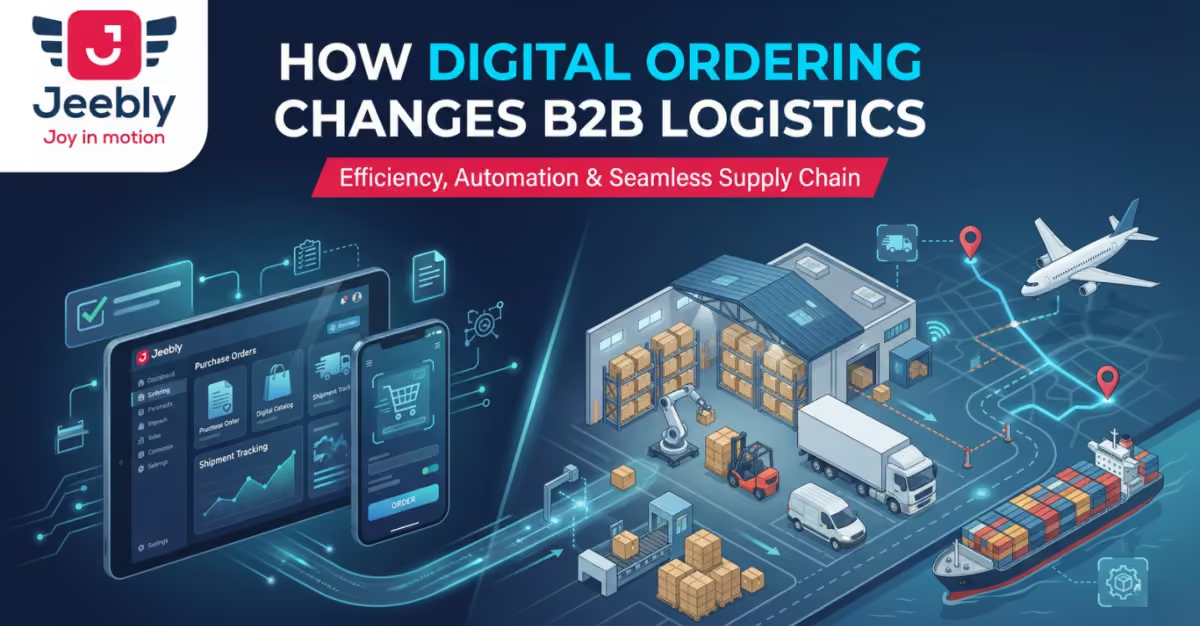
A modern navy and cyan digital blog banner titled 'HOW DIGITAL ORDERING CHANGES B2B LOGISTICS' with the Jeebly logo in the top-left corner. The illustration features a tablet and smartphone on the left showing digital B2B purchase orders, shipment tracking, and procurement interfaces, connected via glowing digital data streams to a bustling smart logistics ecosystem on the right with an automated warehouse, forklifts, delivery trucks, a cargo airplane, and a container ship.
How digital ordering changes B2B logistics

Managing orders across your website, social channels, and marketplaces like Noon and Amazon can quickly overwhelm manual spreadsheets and disconnected systems. Stockouts, delayed dispatches, and rising return rates often signal that your business has outgrown basic order tracking. Discover the key signs your UAE e-commerce store needs an Order Management System (OMS) and how integrating automated order workflows with Jeebly streamlines inventory sync, multi-channel fulfillment, and last-mile delivery.
Read More
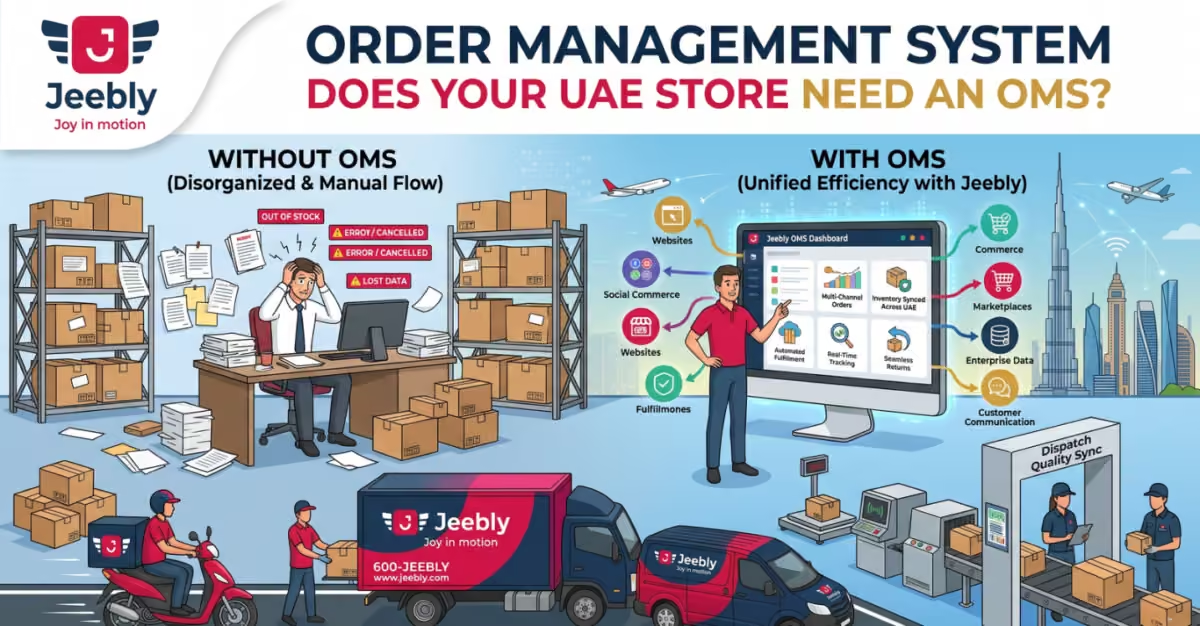
Split-screen infographic featuring the Jeebly logo, comparing chaotic manual order processing without an OMS against a streamlined, unified OMS workflow with Jeebly trucks, vans, and the Dubai skyline.
Order Management System: Does Your UAE Store Need an OMS?

Managing orders across your website, social channels, and marketplaces like Noon and Amazon can quickly overwhelm manual spreadsheets and disconnected systems. Stockouts, delayed dispatches, and rising return rates often signal that your business has outgrown basic order tracking. Discover the key signs your UAE e-commerce store needs an Order Management System (OMS) and how integrating automated order workflows with Jeebly streamlines inventory sync, multi-channel fulfillment, and last-mile delivery.
Read More
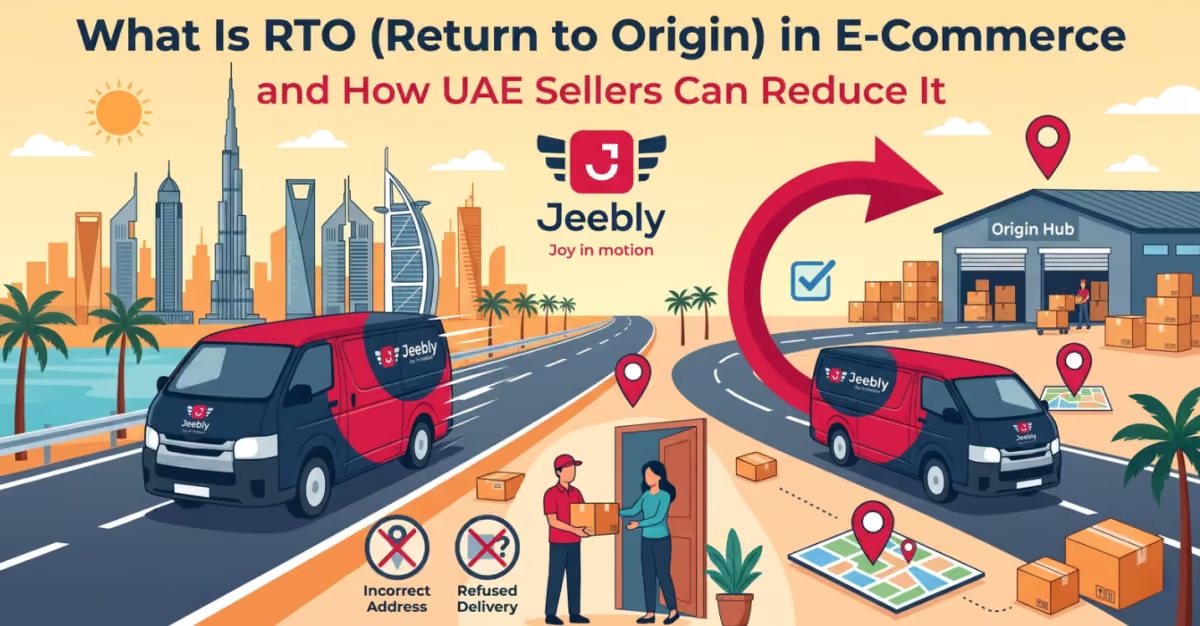
An animated vector-style graphic illustrating "What is RTO (Return to Origin) in E-Commerce and How UAE Sellers Can Reduce It", featuring Dubai's skyline, Jeebly delivery vans, and the loop of a package being returned to an origin hub alongside tips for successful doorstep delivery.
What Is RTO (Return to Origin) in E-Commerce and How UAE Sellers Can Reduce It

Return to Origin (RTO) is one of the most expensive headaches for UAE e-commerce sellers—often driven by non-standardized addresses, hard-to-reach customers, and Cash on Delivery (COD) refusals. But you don’t have to let failed deliveries eat into your profit margins. Discover what causes high RTO rates in the UAE and learn practical, actionable strategies—from address validation and automated customer communication to partnering with reliable delivery services like Jeebly—to protect your bottom line and ensure more orders find their home on the very first try.
Read More
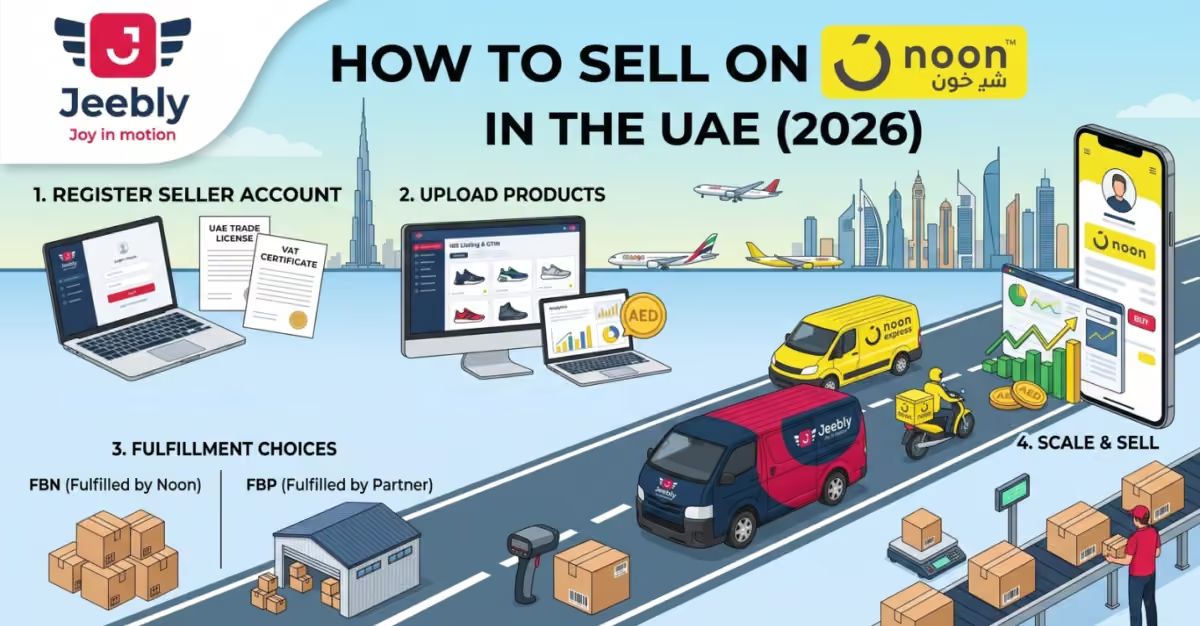
Infographic guide for selling on Noon UAE in 2026, showing seller registration steps, product cataloguing, FBN and FBP logistics options, a Jeebly delivery van, and the Dubai skyline.
How to Sell on Noon in the UAE in 2026

Expanding your e-commerce footprint across the Middle East starts with Noon—the UAE’s leading homegrown digital marketplace. Whether you are a local startup or an established retail brand, succeeding in 2026 requires understanding trade license compliance, optimizing catalog listings, and selecting the right fulfillment model between FBN and FBP. Explore our complete guide to selling on Noon UAE, covering onboarding essentials, commission structures, and how partnering with reliable last-mile delivery providers like Jeebly helps you scale faster.
Read More
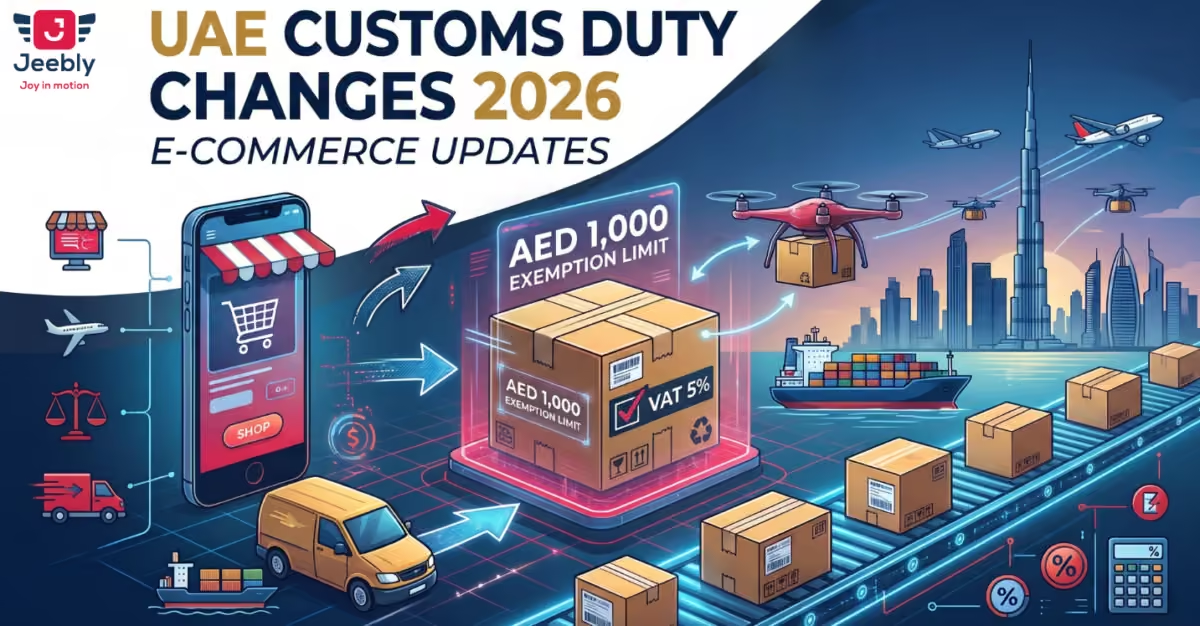
Infographic banner featuring the Jeebly logo, highlighting 2026 UAE customs duty updates for e-commerce with a Dubai skyline, delivery vans, cargo ships, conveyor belt parcels, and the AED 1,000 exemption limit.
UAE Customs Duty Changes for E-Commerce (2026)

With rapid expansions across the GCC digital commerce landscape, the UAE has implemented updated customs duty policies and clearance procedures for cross-border e-commerce shipments in 2026. From managing the AED 1,000 personal import exemption and 5% VAT rules to navigating commercial parcel compliance and streamlined last-mile delivery, discover how these regulatory shifts impact online retailers, logistics providers, and shoppers across the Emirates.

Read More

    Powered by