






Jeebly | Logistics Solutions

Categories
blogs

The Impact of Cross-Border E-Commerce on GCC’s Retail Landscape

Cross-border e-commerce is on the rise worldwide, and the (GCC) region, comprising Kuwait, Oman, Bahrain, Qatar, Saudi Arabia, and the United Arab Emirates (UAE), is no exception. Technological advancements and consumer inclination towards online shopping have turned the GCC region into a significant cross-border market.

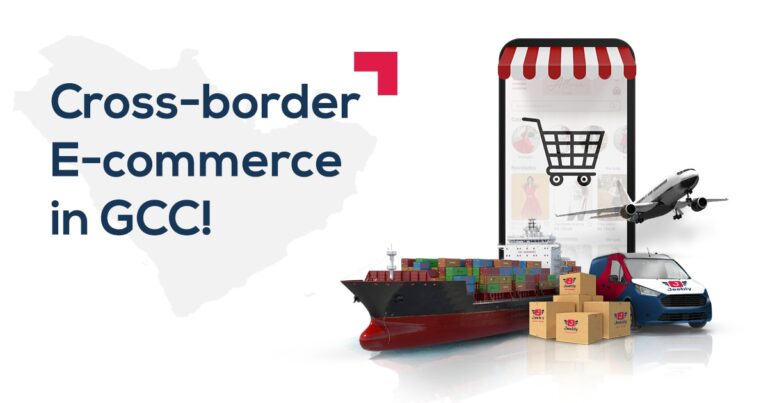
Cross-border E-commerce in GCC!

Cross-border e-commerce is on the rise worldwide, and the (GCC) region, comprising Kuwait, Oman, Bahrain, Qatar, Saudi Arabia, and the United Arab Emirates (UAE), is no exception. Technological advancements and consumer inclination towards online shopping have turned the GCC region into a significant cross-border market. In this article, we will explore the growth, regulations, and opportunities in cross-border e-commerce for your business and how Jeebly can help you achieve it!

The Growth of Cross-Border E-commerce in GCC

The cross-border e-commerce market in the GCC region is rapidly expanding and is expected to reach $24 billion by 2022. The UAE and Saudi Arabia account for 78% of the total value, with electronics, fashion, beauty, and health as the most popular products. The top countries from which GCC consumers purchase online include China, the US, the UK, India, and Turkey. Expanding your business to the GCC market can tap into this growth and increase your revenue.

Import Regulations in the GCC Market

Businesses that want to engage in cross-border e-commerce in the GCC need to comply with import regulations updated to 2023. The following are some general regulations that businesses need to comply with:

  • The GCC Standardization Organization (GSO) Technical Regulations, 
  • The GCC Customs Union Common External Tariff (CET), and 
  • The GCC Conformity Assessment Scheme (G-Mark)

Some of the recent and upcoming changes in the GCC import regulations and standards are:

  1. The Harmonized System Convention (HS 2022): Based on changes in environmental and technological needs, the GCC region adopted this regulation on 1 January 2022. It was made to update the previous regulations on tariffs. 
  2. Saudi Arabia has revised its regulations restricting preferential tariff concessions on imports from other GCC countries using Israeli input or made in free zones.
  3. The GCC would implement a common value-added tax (VAT) of 5% on most goods and services by 2023, following the lead of Saudi Arabia and the UAE which introduced VAT in 2018.

Expanding your business through cross-border e-commerce in the GCC market is an excellent opportunity to increase sales, but compliance with import regulations is crucial. Partnering with local businesses can provide valuable guidance to maximize your success.

Steps to Take Before Your Business Considers Cross-Border Shipping

Here are three things you need to do before you dive into the world of cross-border e-commerce and start cross-border shipping:

  1. Conduct Market Research:  Customize products to customer preferences and behavior.
  2. Find a Logistics Partner: Quick, safe, and trusted delivery.
  3. Secure Payment Methods:  Essential for smooth cross-border transactions.

You can partner with local businesses and research cultural and legal differences when expanding in GCC to root your business. The main driving forces that make the GCC region beneficial for your business are the growing population, high living standards, and business-friendly regulations.

How Jeebly Brings Your Business to the GCC Region

Jeebly is a leading tech-enabled logistics company based in Dubai, offering road, air, and ocean freight services for e-commerce businesses in the UAE, GCC, and MENA. Our freight services are cost-effective and designed for the needs of e-commerce businesses.

Our line haul services are specially designed for the GCC region for e-commerce, and we also provide free-zone warehousing services with no taxes or VAT. Additionally, our other value-added services include:

  • 24/7 inbound and outbound operations
  • Associated with custom clearance & shipping partners
  • Last-mile delivery at the speed of smart!


Conclusion

Cross-border e-commerce in the GCC presents opportunities for businesses to expand their customer base and reduce costs, but it’s important to research import regulations and market conditions and partner up with a reliable logistics partner like us. Considering these factors, businesses can successfully grow in the dynamic GCC market.

Routes to insightful reads

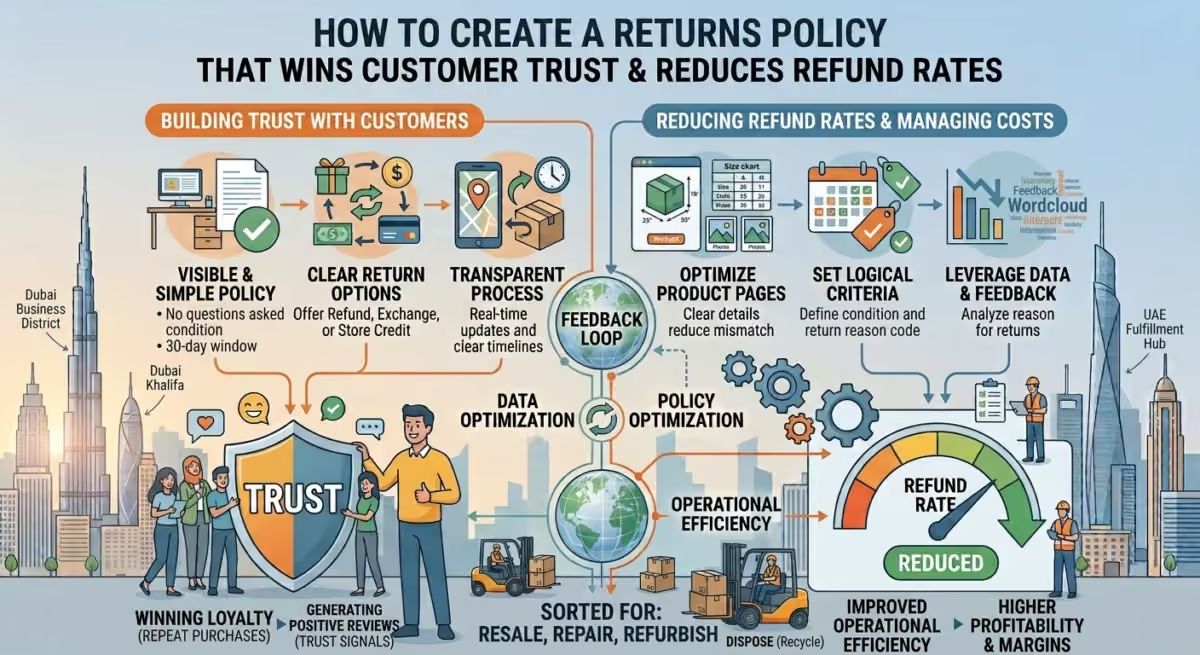
An infographic illustrating how to create an e-commerce returns policy that builds customer trust and reduces refund rates, featuring a split diagram of customer loyalty strategies alongside operational efficiency workflows set against the Dubai skyline.
How to Create a Returns Policy That Wins Customer Trust and Reduces Refund Rates

Mastering returns is a delicate balancing act for e-commerce brands—make it too strict, and you lose customer trust; make it too lenient, and your profit margins take a hit. Discover actionable strategies to build a seamless, customer-first returns policy that converts first-time buyers into loyal brand advocates while optimizing backend operations to keep refund rates and logistics costs low.

Read More
An infographic illustrating how the unboxing experience affects repeat purchases in eCommerce, featuring key packaging elements and a customer loyalty loop set against the Dubai skyline.
How the Unboxing Experience Affects Repeat Purchases in eCommerce

First impressions don’t end at checkout—they extend right to your customer’s doorstep. In today’s competitive UAE eCommerce landscape, the unboxing experience serves as a powerful physical touchpoint that turns one-time buyers into loyal brand advocates. Discover how thoughtful packaging, personalized touches, and seamless presentation drive customer delight, boost repeat purchases, and transform routine deliveries into social-media-worthy moments.
Read More
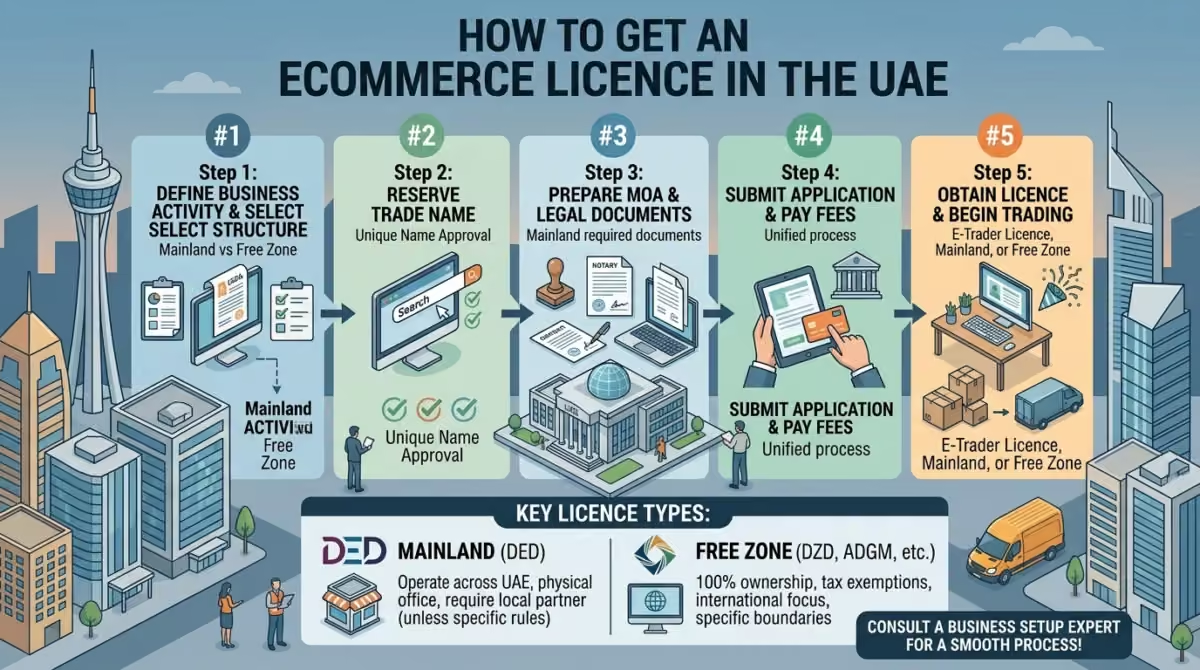
How to get an eCommerce licence in the UAE, showing five steps from selecting a business structure and trade name to submitting the application, paying fees, and obtaining the licence
How to Get an eCommerce Licence in the UAE

Planning to start an eCommerce business in the UAE? Learn how to get an eCommerce licence, choose between mainland and free zone options, prepare the required documents, submit your application, and complete the licensing process to start trading legally in the UAE.
Read More
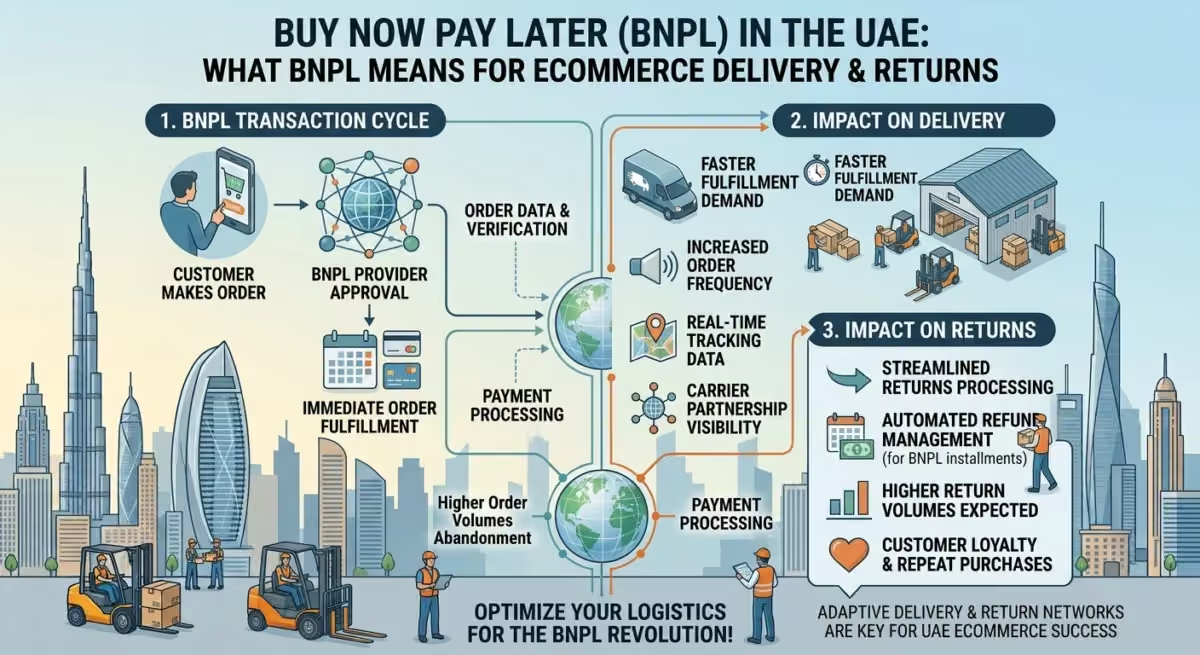
BNPL in the UAE and its impact on ecommerce delivery and returns, showing the transaction cycle, faster fulfilment, order frequency, real-time tracking, and streamlined returns
Buy Now Pay Later in the UAE: What BNPL Means for eCommerce Delivery and Returns.

Buy Now Pay Later (BNPL) is changing how consumers shop and how eCommerce businesses manage fulfilment and returns in the UAE. This guide explores how BNPL can influence order volumes, delivery demand, fulfilment operations, return rates, refund processing, and the logistics strategies businesses need to support a growing BNPL-driven customer base.

Read More
Infographic explaining how to calculate volumetric weight for shipping, including the formula, measurement example and comparison between actual and chargeable weight.
How to Calculate Volumetric Weight for Shipping: Formula and Examples

Learn how to calculate volumetric weight for shipping with an easy-to-follow formula and practical examples. Understand how package dimensions, actual weight and carrier conversion factors determine the chargeable weight and ultimately impact your shipping costs.

Read More

    Powered by