





Jeebly | Logistics Solutions

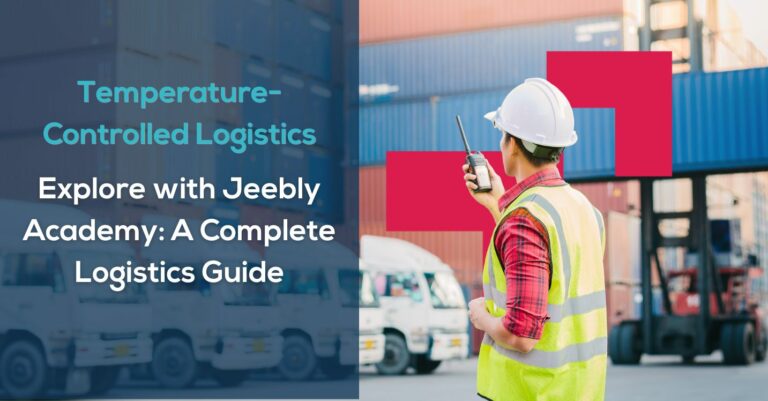
Understanding Temperature-Controlled Logistics: Keeping Your Heat-Sensitive Products Fresh in the Summer with Jeebly

I. Introduction

Have you ever wondered how your favourite groceries make their way to your doorstep without spoiling? The secret lies in temperature-controlled logistics. This specialized field is akin to a protective bubble that ensures products sensitive to temperature changes, such as perishable foods or medications, remain fresh and effective throughout their journey. Through effective cold-chain management, companies can provide the safe transportation of perishable goods by maintaining a consistent cold storage environment. This involves proper storage, adequate packaging, reliable tracking, and secure deliveries.

II. The Importance of Temperature-Controlled Logistics

Temperature-controlled logistics, also known as cold-chain logistics, is crucial for maintaining the quality and safety of temperature-sensitive products. This process ensures that items such as fresh produce, dairy products, frozen foods, and pharmaceuticals are kept within a specified temperature range from origin to the final destination. Key components of temperature-controlled logistics include:
  1. Cold Storage: Utilizing refrigeration and freezing equipment to maintain the required temperature.
  2. Packaging: Using insulated packaging materials to protect products during transit.
  3. Transportation: Employing specialized vehicles equipped with temperature control systems.
  4. Monitoring and Tracking: Implementing real-time tracking systems to monitor temperature and location.
  5. Delivery: Ensuring timely and safe delivery to maintain product integrity.

III. How Cold-Chain Management Works

Cold-chain management involves a series of meticulously planned steps to ensure the integrity of temperature-sensitive products. This includes:
  • Proper Storage: Storing products in temperature-controlled environments, such as refrigerated warehouses or cold rooms, to prevent spoilage.
  • Adequate Packaging: Using packaging solutions like insulated containers, gel packs, and dry ice to maintain the desired temperature during transit.
  • Reliable Transportation: Utilizing refrigerated trucks, vans, or containers equipped with advanced cooling systems to keep products at the required temperature.
  • Effective Tracking: Implementing GPS and temperature monitoring systems to provide real-time data on the location and condition of the shipment.
  • Safe Delivery: Training drivers to handle temperature-sensitive goods with care, ensuring they reach customers in perfect condition.

IV. Jeebly's Impact on Temperature-Controlled Logistics

Our comprehensive approach includes:
  • Advanced Cooling Systems: Our vehicles and warehouses are equipped with cutting-edge refrigeration and heating technology to maintain optimal temperatures.
  • Trained Personnel: Our drivers and warehouse staff are trained to handle temperature-sensitive goods with the utmost care, ensuring safe and secure deliveries.
  • Reliable Monitoring: We use advanced tracking systems to monitor the temperature and location of shipments in real-time, providing transparency and peace of mind for our clients.
  • Customer Satisfaction: By ensuring that products arrive in perfect condition, we help our clients achieve higher customer satisfaction and trust.
  • Safety and Compliance: Ensuring adherence to industry regulations and standards for handling temperature-sensitive goods.

VI. Conclusion

Temperature-controlled logistics is a vital component of the supply chain, ensuring that perishable goods and temperature-sensitive products are stored, transported, and delivered safely. With advanced technology and trained personnel, companies like Jeebly are revolutionizing the logistics industry, one delivery at a time. By leveraging resources such as Jeebly Academy, you can gain the knowledge and skills needed to excel in this specialized field and contribute to the seamless flow of the supply chain.

Explore more with Jeebly Academy and transform your understanding of temperature-controlled logistics today!

Routes to insightful reads

3PL vs 4PL logistics comparison showing warehousing, transportation, distribution, supply chain integration, technology, analytics, and strategic planning for UAE businesses
3PL vs 4PL: What Is the Difference and Which Does Your UAE Business Need?

3PL and 4PL logistics models help businesses manage different levels of supply chain operations. This guide explains the key differences between 3PL and 4PL providers, their roles, benefits, costs, and how UAE businesses can choose the right logistics model based on their size, supply chain complexity, and operational needs.

Read More
Types of packaging for courier shipments, showing outer packaging strength, void-fill options, cushioning materials, and sealing and labelling methods
Types of Packaging for Courier Shipments: Which One Best Protects Your Product?

Choosing the right packaging is essential for protecting products during courier transportation. This guide explores different types of packaging for courier shipments, including corrugated boxes, bubble wrap, air pillows, paper fillers, foam inserts, and protective seals, and explains how to choose the best option based on your product, handling needs, and shipping conditions.

Read More
Types of logistics explained through inbound, outbound, reverse and third-party logistics, showing the movement of goods between suppliers, warehouses, customers and return facilities.
Types of Logistics Explained: Inbound, Outbound, Reverse and Third-Party 

Logistics covers much more than moving goods from one place to another. This guide explains the four key types of logistics, inbound, outbound, reverse and third-party logistics (3PL), and how each supports the supply chain. Learn how goods move from suppliers to warehouses, reach customers, return for repair or disposal, and how businesses use 3PL providers to manage logistics operations.

Read More
Dark store in the UAE showing retail inventory, order picking, packaging, and Jeebly last-mile delivery for ultra-fast fulfillment
What Is a Dark Store? How UAE Retailers Are Using Them for Ultra-Fast Delivery

A dark store is a retail facility designed exclusively for online order fulfilment, with products organised for fast picking, packing, and dispatch rather than in-store customer shopping. In the UAE, dark stores are helping retailers and e-commerce businesses shorten delivery times by placing inventory closer to customers and streamlining the fulfilment process. This guide explains how dark stores work, their benefits, key challenges, and how they support ultra-fast delivery in the UAE.

Read More
DDP shipping infographic explaining seller responsibilities, customs clearance, duties, final delivery, and benefits for UAE importers
What Is DDP Shipping? What “Delivered Duty Paid” Means for UAE Importers and Exporters

DDP (Delivered Duty Paid) is an Incoterm that places most shipping, customs, duty, and import tax responsibilities on the seller. For UAE importers and exporters, understanding how DDP works can help businesses estimate landed costs, manage customs requirements, and avoid unexpected charges at delivery. This guide explains what DDP shipping means, who pays the costs, how it compares with DAP and FOB, and what UAE businesses should consider before choosing DDP.

Read More

    Powered by