





Jeebly | Logistics Solutions

Smart Packing Hacks to Save Time During Your Next Move​

Smart Packing Hacks to Save Time During Your Next Move

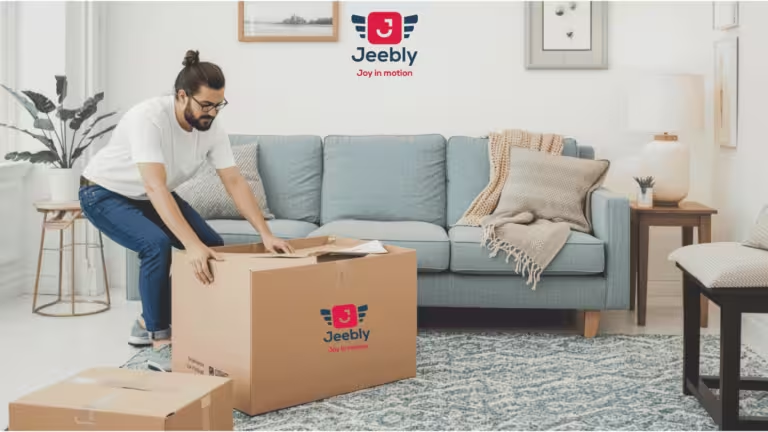
Moving homes can feel overwhelming, especially when packing turns into a last minute scramble. From misplaced essentials to fragile items breaking in transit, poor packing habits often lead to unnecessary stress and delays. The good news? With the right strategy, packing doesn’t have to be chaotic. By using a few smart packing hacks, you can save hours of time and ensure a smoother moving experience.

Start With a Packing Plan, Not Boxes

One of the most overlooked steps in moving is planning. Before you tape your first box, create a simple packing timeline. Break your home into zones : kitchen, bedrooms, storage areas and assign packing days to each. This structured approach prevents rushed packing and reduces the chances of forgetting items. Smart packing hacks for moving always begin with organization, not cardboard.

Declutter Before You Pack

Packing items you no longer need is one of the biggest time wasters during a move. Go through each room and separate items into keep, donate, and discard piles. Fewer items mean fewer boxes, less labeling, and quicker unpacking. Decluttering also helps reduce moving costs and keeps your new home clutter free from day one.

Pack Room by Room, Not Item by Item

Instead of packing all books or all decor together, pack one room completely before moving to the next. This keeps items grouped logically and makes unpacking far easier. Label each box clearly with both the room name and a brief contents list. For example, “Kitchen – Daily Use Utensils” is far more helpful than “Kitchen Stuff.”

Use What You Already Have for Protection

You don’t always need expensive packing supplies. Towels, blankets, clothes, and even bedsheets can double as protective wrapping for fragile items like glassware, lamps, and electronics. This is one of the most effective smart packing hacks for moving because it saves both time and money while keeping items safe.

Create an Essentials Box

Set aside one box or suitcase with items you’ll need immediately after moving, chargers, toiletries, documents, basic kitchen items, and a change of clothes. Clearly mark it as “Open First.” This simple step saves hours of searching through boxes after a long moving day.

Pack Smart for Fragile Items

For delicate items, use smaller boxes to avoid overloading. Place heavier items at the bottom and lighter ones on top. Fill empty spaces with padding to prevent shifting during transit. Clearly mark fragile boxes on multiple sides so movers know to handle them with extra care.

Use Technology to Stay Organized

Take photos of electronics before unplugging them so reassembly is quick and hassle free. You can also keep a simple notes app checklist to track packed rooms and special instructions. Small digital steps can make a big difference in saving time.

Make Moving Easier with the Right Partner

Even the best packing strategy benefits from reliable logistics support. At Jeebly, we understand how proper planning, secure handling, and timely delivery can transform your moving experience. Whether it’s a home relocation or fragile item transport, smart packing combined with dependable moving services ensures everything arrives safely and on schedule.

Final Thoughts

Moving doesn’t have to be stressful. With these smart packing hacks for moving, you can cut down packing time, stay organized, and enjoy a smoother transition to your new home. A little preparation goes a long way toward a stress free move.

Routes to insightful reads

BNPL in the UAE and its impact on ecommerce delivery and returns, showing the transaction cycle, faster fulfilment, order frequency, real-time tracking, and streamlined returns
Buy Now Pay Later in the UAE: What BNPL Means for eCommerce Delivery and Returns.

Buy Now Pay Later (BNPL) is changing how consumers shop and how eCommerce businesses manage fulfilment and returns in the UAE. This guide explores how BNPL can influence order volumes, delivery demand, fulfilment operations, return rates, refund processing, and the logistics strategies businesses need to support a growing BNPL-driven customer base.

Read More
Infographic explaining how to calculate volumetric weight for shipping, including the formula, measurement example and comparison between actual and chargeable weight.
How to Calculate Volumetric Weight for Shipping: Formula and Examples

Learn how to calculate volumetric weight for shipping with an easy-to-follow formula and practical examples. Understand how package dimensions, actual weight and carrier conversion factors determine the chargeable weight and ultimately impact your shipping costs.

Read More
3PL vs 4PL logistics comparison showing warehousing, transportation, distribution, supply chain integration, technology, analytics, and strategic planning for UAE businesses
3PL vs 4PL: What Is the Difference and Which Does Your UAE Business Need?

3PL and 4PL logistics models help businesses manage different levels of supply chain operations. This guide explains the key differences between 3PL and 4PL providers, their roles, benefits, costs, and how UAE businesses can choose the right logistics model based on their size, supply chain complexity, and operational needs.

Read More
Types of packaging for courier shipments, showing outer packaging strength, void-fill options, cushioning materials, and sealing and labelling methods
Types of Packaging for Courier Shipments: Which One Best Protects Your Product?

Choosing the right packaging is essential for protecting products during courier transportation. This guide explores different types of packaging for courier shipments, including corrugated boxes, bubble wrap, air pillows, paper fillers, foam inserts, and protective seals, and explains how to choose the best option based on your product, handling needs, and shipping conditions.

Read More
Types of logistics explained through inbound, outbound, reverse and third-party logistics, showing the movement of goods between suppliers, warehouses, customers and return facilities.
Types of Logistics Explained: Inbound, Outbound, Reverse and Third-Party 

Logistics covers much more than moving goods from one place to another. This guide explains the four key types of logistics, inbound, outbound, reverse and third-party logistics (3PL), and how each supports the supply chain. Learn how goods move from suppliers to warehouses, reach customers, return for repair or disposal, and how businesses use 3PL providers to manage logistics operations.

Read More

    Powered by