






Jeebly | Logistics Solutions

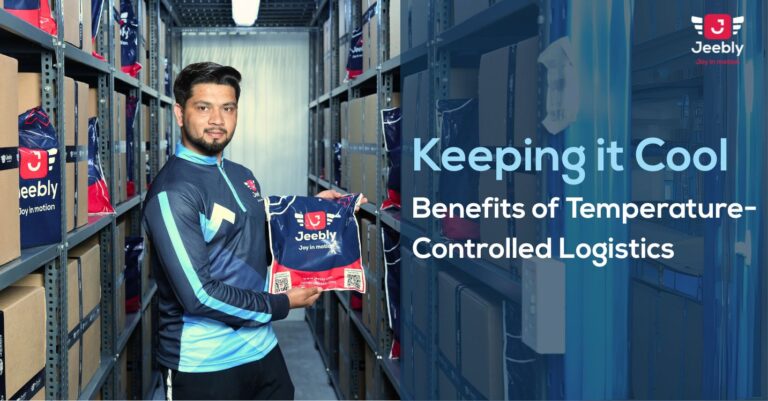
A Jeeby driver in temperature controlled warehouse

Benefits of Temperature Controlled Logistics

In most parts of the world, logistics is about efficiency and speed. In the UAE, it is also about environmental survival.

With summer temperatures regularly exceeding 45°C — and surface temperatures climbing even higher — transporting sensitive goods without environmental protection exposes businesses to significant risk. Heat does not just inconvenience supply chains; it degrades products, damages packaging, disrupts compliance, and erodes customer trust.

This is why temperature controlled logistics in UAE has become a strategic requirement rather than a premium add-on.

It is important to clarify a crucial distinction: Jeebly maintains a minimum controlled temperature of 15°C. This is not sub-zero transport. It is not vaccine cold chain (2°C–8°C). Instead, it is a precisely engineered heat-protection system designed for products that must remain stable but do not require refrigeration.

This 15°C-controlled model is purpose-built for the UAE climate and for industries where exposure to extreme ambient heat can compromise quality, compliance, and brand reputation.

Understanding Temperature Controlled Logistics

Temperature controlled logistics refers to the transportation and storage of goods within a defined temperature range to prevent heat damage.

Unlike pharmaceutical cold chain systems that operate between 2°C–8°C or below freezing, Jeebly’s model focuses on maintaining temperatures at or above 15°C, shielding products from excessive external heat exposure.

This distinction is critical.

Sub-zero cold chain requires specialized refrigerated containers, dry ice handling, and strict vaccine-grade compliance. However, many commercial products do not require refrigeration — they require heat protection.

In the UAE climate, uncontrolled last-mile exposure can cause:

Cosmetic formula separation

Food spoilage

Pharmaceutical instability

Electronic malfunction

Packaging deformation

A stable 15°C-controlled environment prevents these risks without the cost complexity of deep cold chain infrastructure.

Why Temperature Control Is Crucial in the UAE

According to the UAE National Center of Meteorology, summer surface temperatures in many regions regularly exceed 45°C. Delivery vans parked outdoors or stuck in traffic can quickly become heat chambers.

Even a 30-minute exposure in peak summer can compromise product integrity.

For businesses operating in this region, temperature controlled logistics in UAE is not optional — it is operational risk management.

Use Case 1: Pharmaceuticals (Non-Sub-Zero Medical Products)

While vaccines and biologics require 2°C–8°C cold chain management, many pharmaceutical products require protection from excessive heat rather than refrigeration.

Examples include:

Tablet-based medications

Nutritional supplements

Medical devices

Diagnostic kits

Topical treatments

The World Health Organization emphasizes that exposure to temperatures outside labeled storage conditions can reduce drug efficacy and compromise safety.

Maintaining a minimum 15°C controlled environment during last-mile transit ensures:

Stability of active ingredients

Reduced regulatory risk

Compliance with storage guidelines

Protection against inspection failures

For pharmaceutical distributors operating in the UAE, this level of control strengthens quality assurance without requiring full vaccine-grade cold chain investment.

Use Case 2: Food & Beverage (F&B)

The UAE’s F&B sector is rapidly expanding, supported by tourism, hospitality, and e-commerce grocery platforms.

Heat exposure impacts:

Chocolates and confectionery

Specialty beverages

Dairy-based snacks

Gourmet packaged goods

Meal kits

According to Food and Agriculture Organization, improper temperature management during distribution is one of the leading causes of food loss globally.

Maintaining controlled 15°C transport:

Reduces spoilage

Preserves taste and texture

Protects packaging integrity

Minimizes return rates

For businesses scaling grocery or premium F&B delivery, temperature controlled logistics in UAE becomes a direct contributor to margin protection.

Use Case 3: Cosmetics and Personal Care

The UAE’s beauty and skincare market continues to grow, fueled by luxury retail and online platforms.

Cosmetic formulations are particularly vulnerable to heat. High temperatures can cause:

Serum oxidation

Cream separation

Fragrance instability

Sunscreen degradation

Packaging distortion

Brands that invest heavily in product development risk damaging their reputation if customers receive compromised goods.

By maintaining a controlled minimum temperature of 15°C, logistics providers prevent formula breakdown and ensure that products arrive in retail-ready condition.

This reinforces brand trust and reduces costly returns.

Compliance and Regulatory Considerations

Regulatory compliance in the UAE requires adherence to storage and handling guidelines, especially for health-related products.

The UAE Ministry of Climate Change and Environment outlines standards related to product handling and environmental safety.

For pharmaceutical distributors, adherence to Good Distribution Practices (GDP) principles — as defined by the European Medicines Agency — requires maintaining documented temperature control during transportation.

Even when products do not require cold chain refrigeration, they must remain within labeled storage conditions.

Temperature controlled logistics in UAE ensures:

Documentation of temperature range

Reduced compliance risk

Protection against penalties

Confidence during audits

The Cost of Heat Exposure: Spoilage, Returns, and Brand Damage

Heat-related product damage creates a ripple effect:

Inventory loss

Reverse logistics costs

Refund processing

Customer dissatisfaction

Negative reviews

Jeebly’s blog on Reverse Logistics for Businesses
 explains how returns impact margins and operational efficiency.

By preventing spoilage before delivery, temperature controlled logistics reduces reverse flow volume and protects profitability.

Real-Time Monitoring and Operational Transparency

Modern temperature-controlled fleets integrate monitoring systems that allow businesses to:

Track vehicle location

Monitor internal temperature

Receive alerts for deviations

Access performance data

This aligns with broader digital supply chain transformation trends discussed by McKinsey & Company, which highlights how data-driven logistics improves resilience and efficiency.

Live monitoring enables proactive correction before product damage occurs.

Scaling Responsibly in the UAE Market

As businesses expand into:

Online pharmacy

Premium grocery

Luxury cosmetics

Health supplements

temperature controlled logistics in UAE becomes a growth enabler.

Without temperature protection, scaling into sensitive categories exposes companies to:

Increased rejection rates

Higher insurance claims

Operational instability

Structured logistics supports expansion without compromising quality.

For growing brands, Jeebly’s guide on How Jeebly Helps SMEs Scale During Peak Shopping Seasons
 provides additional insight into scalable distribution strategies.

15°C-Controlled Transport: The Strategic Middle Ground

Not every product requires refrigeration. But in a climate like the UAE’s, very few sensitive goods can survive uncontrolled exposure.

Jeebly’s 15°C-controlled model offers:

Heat protection without sub-zero complexity

Cost-efficient temperature management

Regulatory-friendly documentation

Reliable last-mile stability

It bridges the gap between standard delivery and deep cold chain.

Why Temperature Controlled Logistics Is Essential in the UAE

In temperate climates, standard logistics may suffice for many goods. In the UAE, environmental conditions demand more.

Temperature controlled logistics in UAE:

Protects sensitive products

Reduces spoilage

Ensures compliance

Strengthens brand reputation

Supports scalable growth

It is not just about maintaining a number on a thermostat. It is about safeguarding product integrity from warehouse to doorstep.

Final Thoughts

In a region defined by extreme heat, logistics must adapt accordingly.

Temperature controlled logistics in UAE is no longer a premium add-on — it is an operational necessity for businesses handling pharmaceuticals, F&B products, and cosmetics.

By maintaining a minimum 15°C environment (without relying on sub-zero cold chain infrastructure), businesses can protect quality, meet regulatory standards, and deliver confidently across the Emirates.

For companies moving sensitive goods across cities or borders, partnering with a logistics provider that understands climate risk and operational precision makes all the difference.

Because in the UAE, protection isn’t optional — it’s part of the promise.

Routes to insightful reads

DDP shipping infographic explaining seller responsibilities, customs clearance, duties, final delivery, and benefits for UAE importers
What Is DDP Shipping? What “Delivered Duty Paid” Means for UAE Importers and Exporters

A delivery note is a key document in the UAE logistics process, providing a clear record of what was shipped, who sent it, and who received it. From proof of delivery and shipment tracking to order verification, customs compliance, and dispute resolution, a properly prepared delivery note helps businesses maintain accurate records and protect every shipment. This guide explains what a delivery note is, what it should include, and why it is essential for businesses operating across the UAE.

Read More
Delivery note document showing shipment details, proof of delivery, tracking, verification and UAE logistics compliance
What Is a Delivery Note and Why Does Every UAE Shipment Need One?

A delivery note is a key document in the UAE logistics process, providing a clear record of what was shipped, who sent it, and who received it. From proof of delivery and shipment tracking to order verification, customs compliance, and dispute resolution, a properly prepared delivery note helps businesses maintain accurate records and protect every shipment. This guide explains what a delivery note is, what it should include, and why it is essential for businesses operating across the UAE.

Read More
Illustration showing strategies to reduce cart abandonment through transparent shipping costs, fast delivery, local fulfilment, and clear returns policies for UAE eCommerce businesses.
How to Reduce Cart Abandonment Caused by Delivery Costs and Uncertainty

Delivery costs and uncertainty are among the biggest reasons shoppers abandon their carts before completing a purchase. This guide explores practical strategies to reduce cart abandonment, including transparent shipping fees, accurate delivery estimates, flexible shipping options, local fulfilment, and hassle-free returns, helping UAE eCommerce businesses improve conversions and build customer trust.

Read More
J&T Express vs Jeebly comparison graphic featuring delivery apps, e-commerce products, and UAE logistics services against the Dubai skyline.
J&T Express vs Jeebly: Which Courier Is Better for UAE eCommerce Businesses?

J&T Express and Jeebly both support eCommerce deliveries, but they cater to different business needs. This comparison explores their delivery networks, fulfilment capabilities, shipping speed, technology, pricing flexibility, and merchant services to help UAE businesses choose the courier partner that best supports their growth and customer experience.

Read More
Delivery SLA guide for UAE businesses showing service level agreements, delivery performance metrics, on-time delivery targets and logistics standards.
 Delivery SLA Guide for UAE Businesses: What to Expect and How to Set Standards

A clear delivery Service Level Agreement (SLA) sets the expectations for speed, reliability, and performance between businesses and their logistics partners. This guide explains what a delivery SLA should include, the key metrics to track, and how UAE businesses can set realistic standards to improve customer satisfaction and delivery performance.

Read More

    Powered by