







Last-mile delivery is the most critical—and expensive—leg of the supply chain. Discover how route optimisation leverages real-time data, traffic analytics, and smart scheduling to cut operational costs, beat urban gridlock, and ensure on-time deliveries across the UAE.


How to Choose the Right Fulfilment Partner for Your UAE Store
October 19, 2026
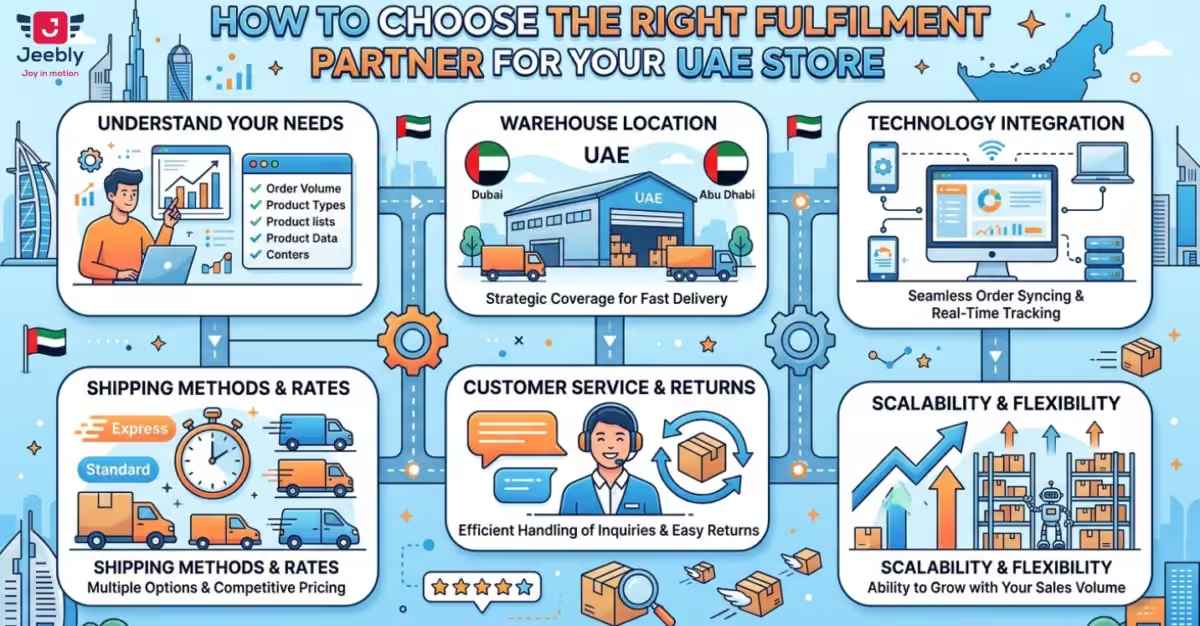
Selecting the right fulfillment partner can make or break your e-commerce growth in the UAE. From strategic warehouse locations in Dubai and Abu Dhabi to seamless tech integration, learn the six critical factors every online store must evaluate to lower costs, ensure same-day delivery, and scale efficiently across the GCC.

Why Delivery Experience Is a Bigger Brand Differentiator Than Price
October 15, 2026
In today’s competitive e-commerce landscape, competing on price alone is a race to the bottom. Customers are increasingly valuing speed, transparent tracking, and reliable service over minor cost savings. Discover why elevating your delivery experience is the ultimate brand differentiator for UAE sellers and how it drives long-term customer loyalty.
What Is Multi-Carrier Shipping and Do UAE Sellers Need It?
October 12, 2026
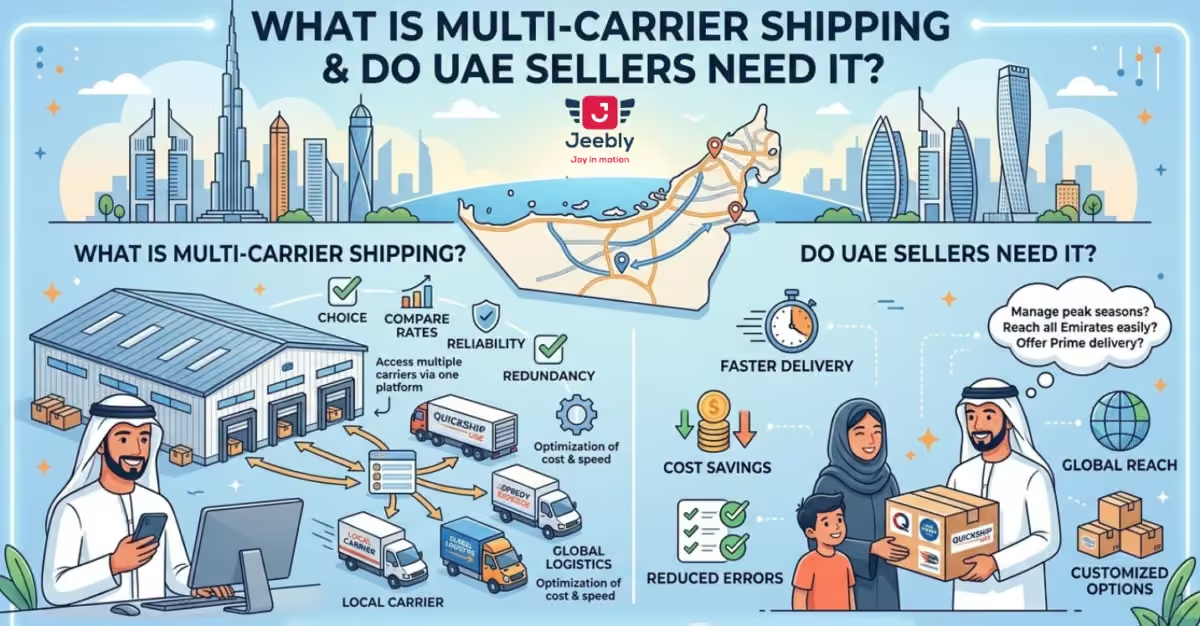
Relying on a single shipping provider can lead to bottlenecks, higher costs, and limited reach. Discover what multi-carrier shipping is and why e-commerce sellers in the UAE need a unified shipping strategy to compare rates, optimize delivery times across all Emirates, and scale their business smoothly.
Cross-Border Shipping Within the GCC: Customs, Costs and Timelines
October 8, 2026
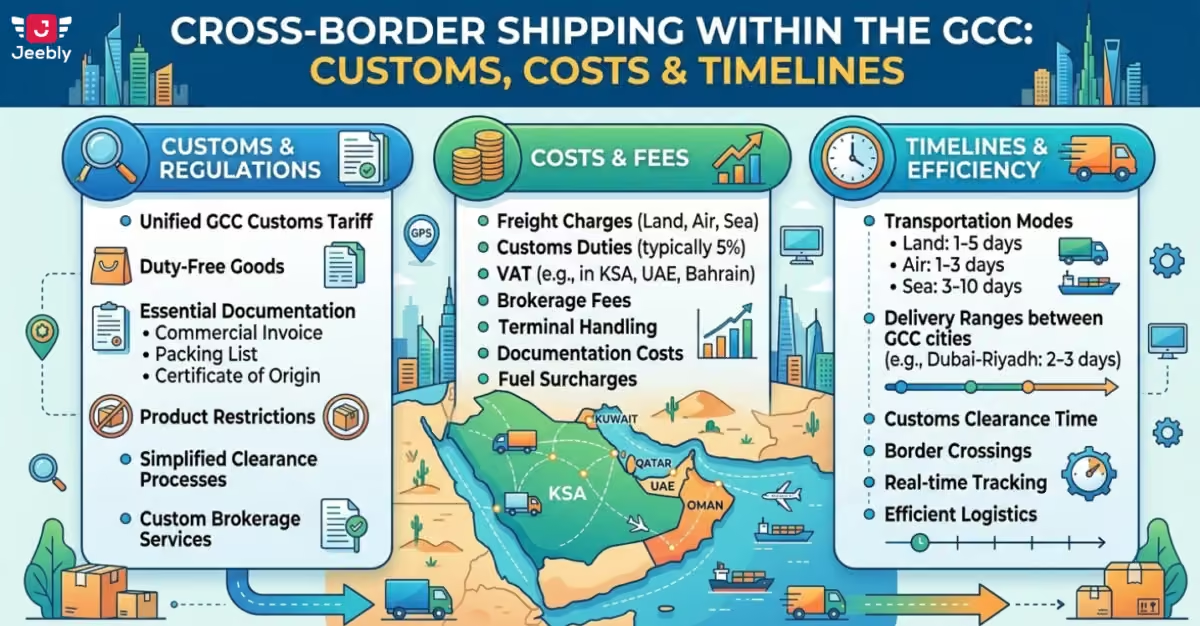
Gearing up for Q4 in the UAE? Navigating peak season demand requires early planning across warehouse operations, carrier capacity, inventory, and customer experience. Explore our 10-step logistics checklist to streamline your supply chain, avoid bottleneck delays, and ensure smooth delivery during the busiest shopping quarter of the year.
