






Selling on Amazon UAE offers massive growth potential, but choosing the right logistics model can make or break your margins. Discover the step-by-step onboarding process for Amazon.ae, explore the core differences between Fulfilment by Amazon (FBA) and Fulfilment by Merchant (FBM), and learn how to optimize your delivery strategy to scale efficiently in the UAE market.

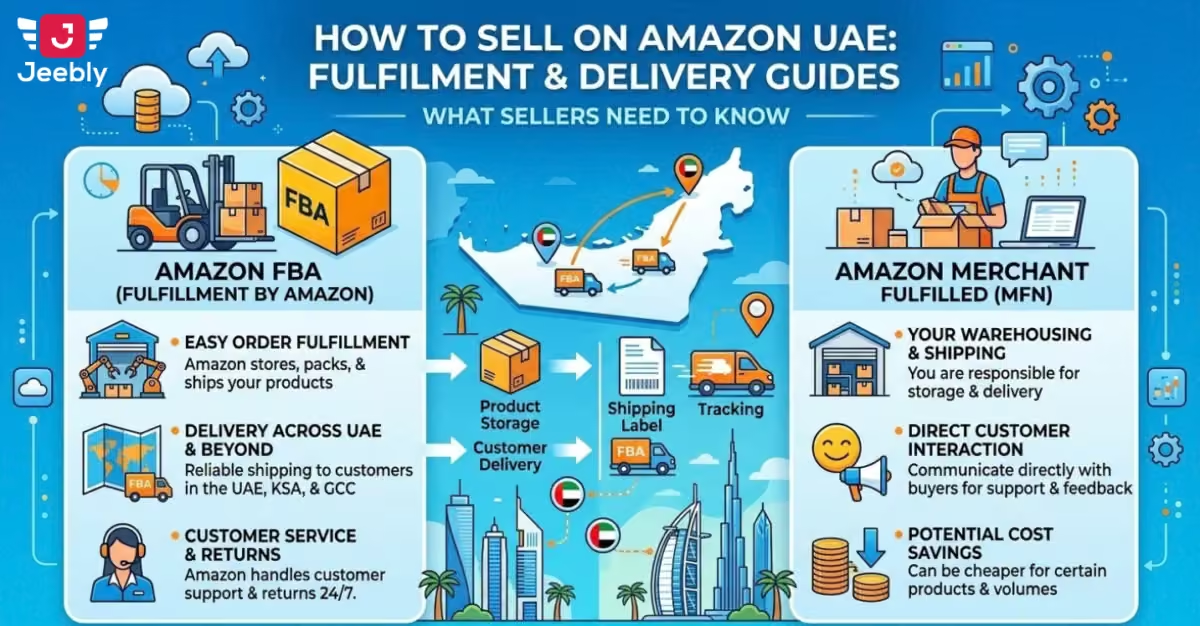
How to Sell on Amazon UAE: What Sellers Need to Know About Fulfilment and Delivery
September 28, 2026

High-Value Item Delivery in the UAE: Insurance, Handling, and What to Ask
September 25, 2026
Delivering high-value, luxury items in the UAE requires far more than standard shipping—it demands white-glove precision, specialized security protocols, and comprehensive transit insurance. Discover how premium handling, secure transit procedures, and asking the right questions of your courier partner ensure high-ticket goods reach your clients safely, preserving both product integrity and brand trust.

Back-to-School Delivery Trends: What UAE Retailers Learned This Season
September 23, 2026
As the back-to-school rush hits the UAE, retailers face surging demand for fast, flexible, and reliable last-mile deliveries. From school uniforms and backpacks to tech essentials, learn how seamless multi-channel logistics, scheduled doorstep deliveries, and real-time tracking help UAE brands meet evolving parent expectations and turn seasonal spikes into long-term customer loyalty
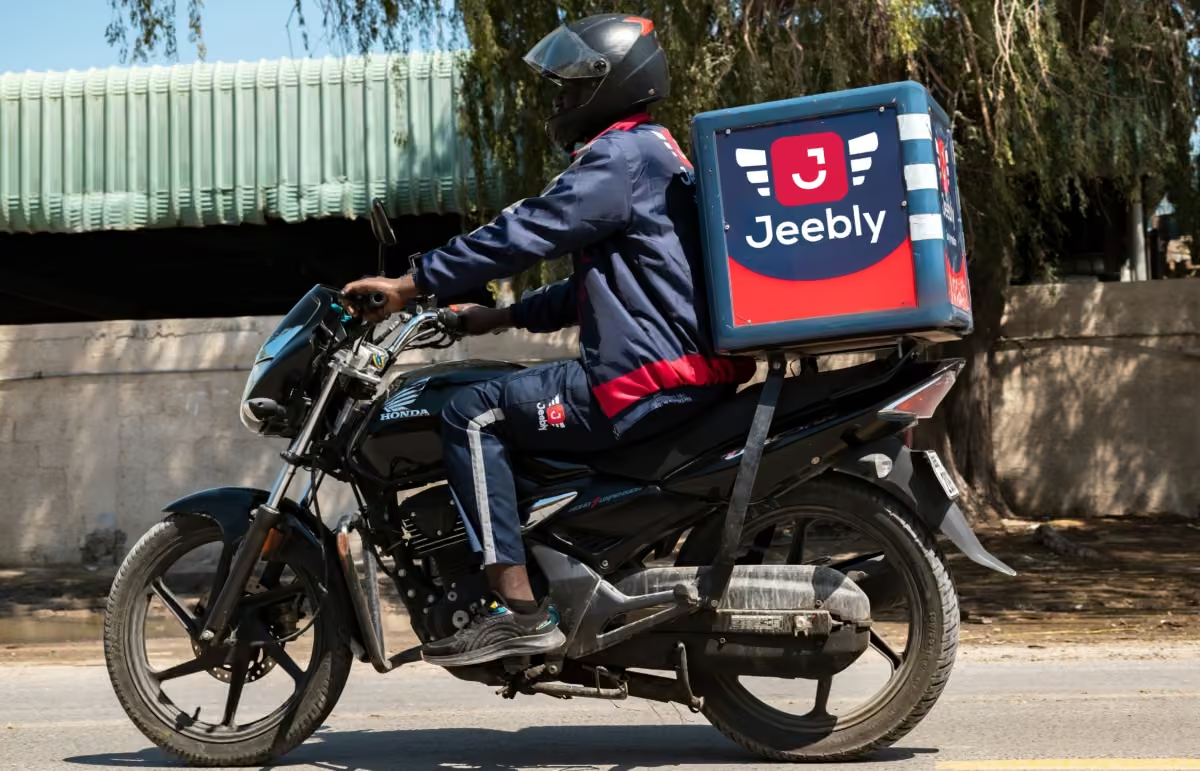
Urgent Delivery in the UAE: Jeebly Dash Services, Costs and Booking
September 21, 2026
When speed is everything, traditional delivery options just won’t cut it. Learn how Jeebly Dash provides ultra-fast, on-demand courier services across the UAE—giving businesses and consumers a seamless booking experience, transparent pricing, and real-time tracking to ensure urgent parcels reach their destination within minutes.
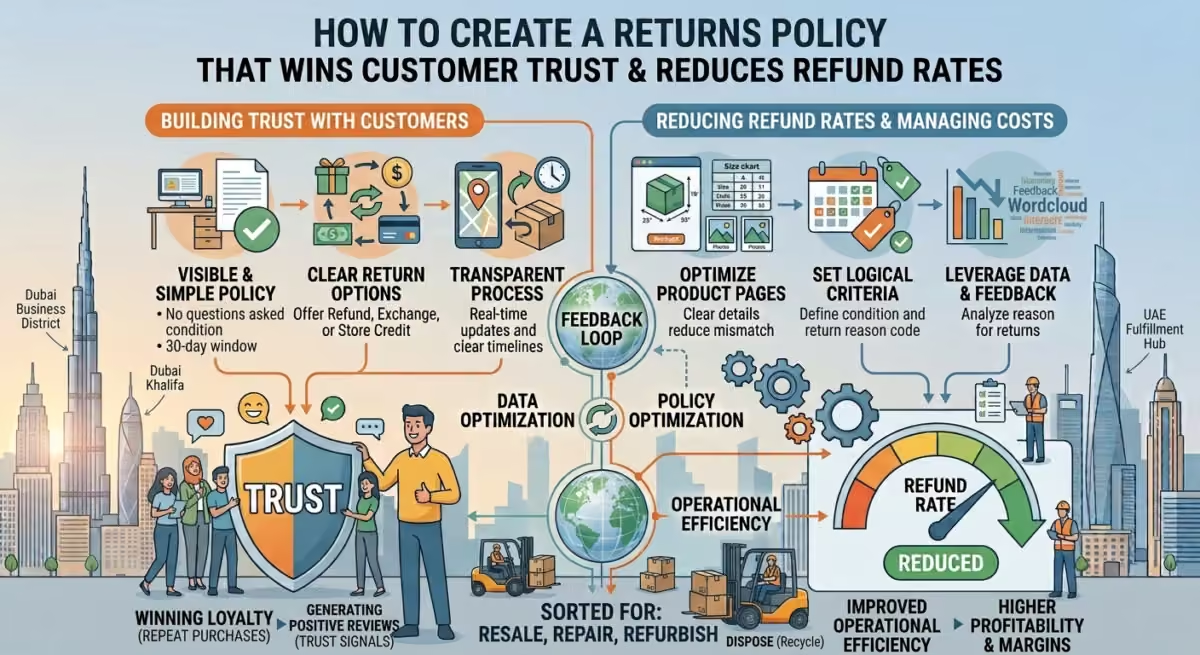
How to Create a Returns Policy That Wins Customer Trust and Reduces Refund Rates
September 16, 2026
Mastering returns is a delicate balancing act for e-commerce brands—make it too strict, and you lose customer trust; make it too lenient, and your profit margins take a hit. Discover actionable strategies to build a seamless, customer-first returns policy that converts first-time buyers into loyal brand advocates while optimizing backend operations to keep refund rates and logistics costs low.
