






Buy Now Pay Later (BNPL) is changing how consumers shop and how eCommerce businesses manage fulfilment and returns in the UAE. This guide explores how BNPL can influence order volumes, delivery demand, fulfilment operations, return rates, refund processing, and the logistics strategies businesses need to support a growing BNPL-driven customer base.
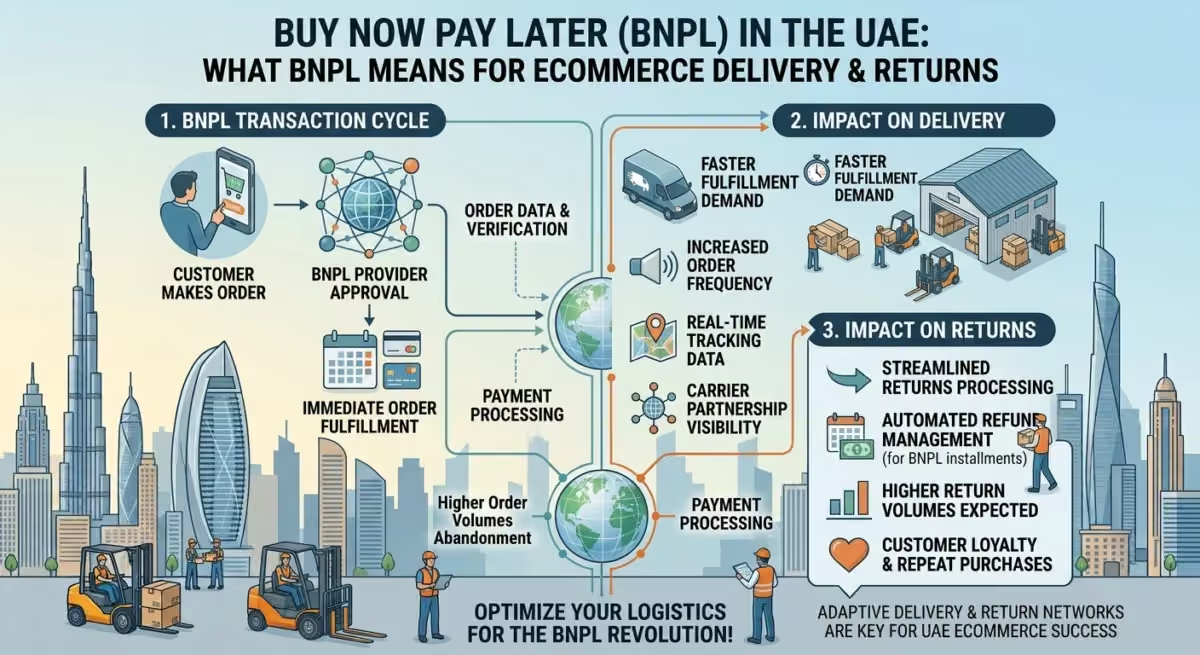
Buy Now Pay Later in the UAE: What BNPL Means for eCommerce Delivery and Returns.
September 7, 2026
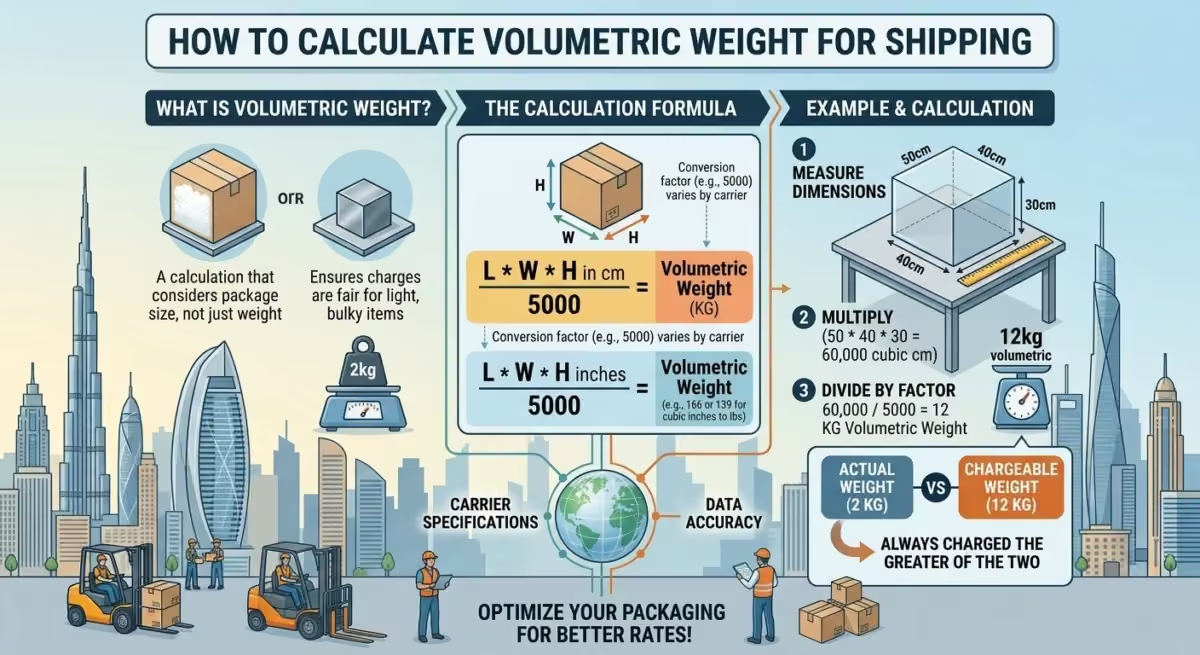
How to Calculate Volumetric Weight for Shipping: Formula and Examples
September 3, 2026
Learn how to calculate volumetric weight for shipping with an easy-to-follow formula and practical examples. Understand how package dimensions, actual weight and carrier conversion factors determine the chargeable weight and ultimately impact your shipping costs.
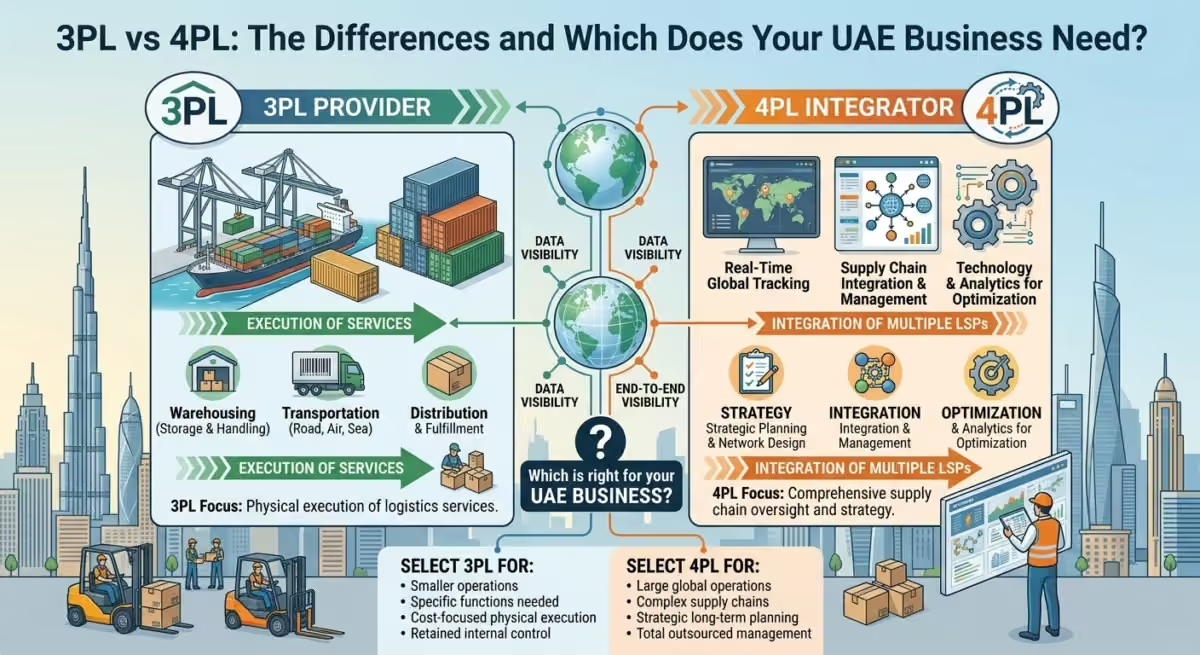
3PL vs 4PL: What Is the Difference and Which Does Your UAE Business Need?
August 31, 2026
3PL and 4PL logistics models help businesses manage different levels of supply chain operations. This guide explains the key differences between 3PL and 4PL providers, their roles, benefits, costs, and how UAE businesses can choose the right logistics model based on their size, supply chain complexity, and operational needs.
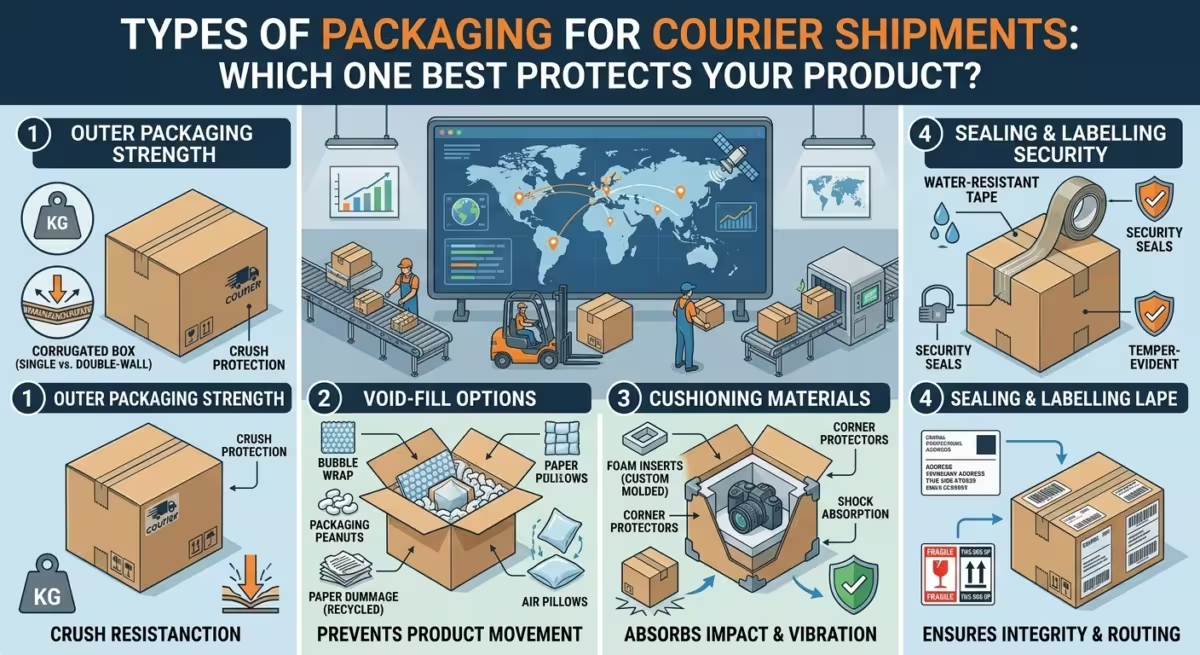
Types of Packaging for Courier Shipments: Which One Best Protects Your Product?
August 27, 2026
Choosing the right packaging is essential for protecting products during courier transportation. This guide explores different types of packaging for courier shipments, including corrugated boxes, bubble wrap, air pillows, paper fillers, foam inserts, and protective seals, and explains how to choose the best option based on your product, handling needs, and shipping conditions.
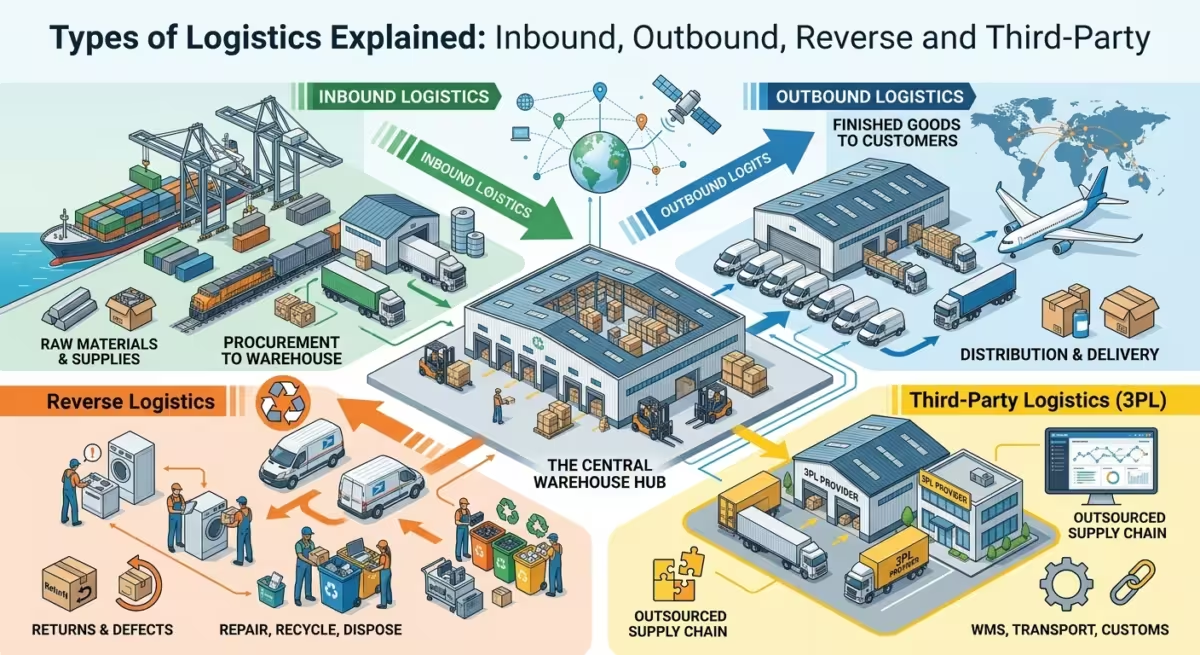
Types of Logistics Explained: Inbound, Outbound, Reverse and Third-Party
August 24, 2026
Logistics covers much more than moving goods from one place to another. This guide explains the four key types of logistics, inbound, outbound, reverse and third-party logistics (3PL), and how each supports the supply chain. Learn how goods move from suppliers to warehouses, reach customers, return for repair or disposal, and how businesses use 3PL providers to manage logistics operations.
