





Understanding Reverse Logistics: Why It Matters to Businesses
In today’s fast paced commerce environment, logistics doesn’t stop once a product reaches the customer. Returns, exchanges, failed deliveries, and damaged goods are now a regular part of doing business. This is where reverse logistics for businesses plays a critical role.
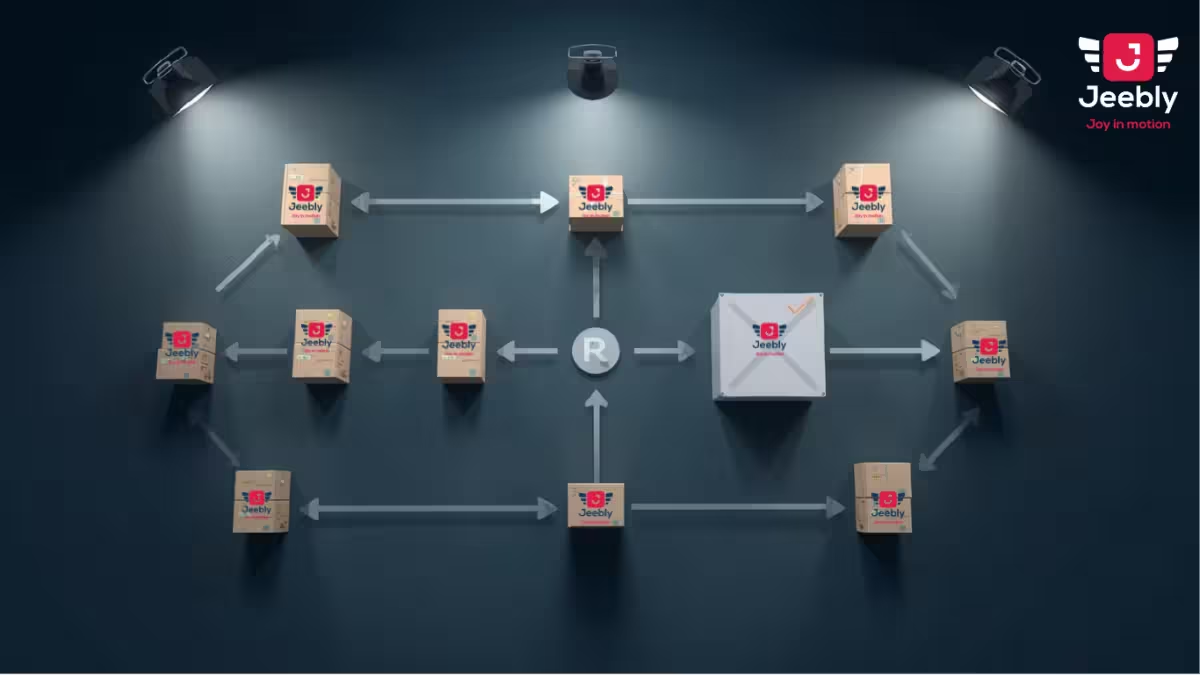
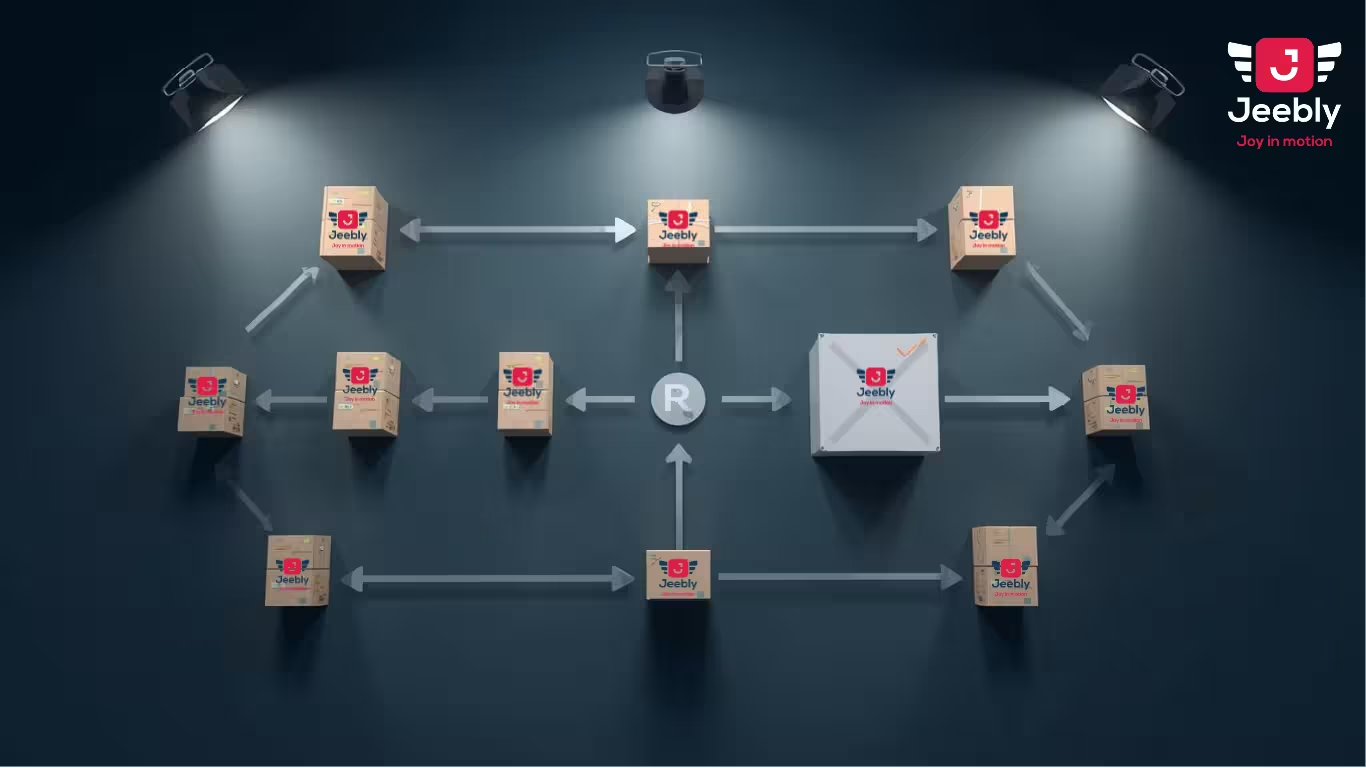
Reverse logistics refers to the process of moving goods from the customer back to the seller, warehouse, or manufacturer. While often overlooked, it directly impacts costs, customer satisfaction, inventory control, and sustainability.
What Is Reverse Logistics?
Reverse logistics covers all post delivery movements, including:
Customer returns and exchanges
Pickup of damaged or incorrect items
Cash on delivery (COD) refusals
Recycling, refurbishing, or restocking products
For businesses operating in the UAE, where E commerce growth, same day delivery, and COD are common, reverse logistics is no longer optional. It is a core part of an efficient supply chain.
Why Reverse Logistics Matters to Businesses ?
1. Customer Experience and Trust
A smooth return experience builds confidence. Customers are more likely to buy again when returns are simple and transparent. Poor reverse logistics, on the other hand, leads to frustration, negative reviews, and lost loyalty.
2. Cost Control and Margin Protection
Unplanned or poorly managed returns increase delivery costs, handling time, and inventory losses. Effective reverse logistics for businesses helps reduce repeated pickup attempts, recover usable inventory, and control operational expenses.
3. Better Inventory Visibility
Returns directly affect stock accuracy. Without real time tracking and clear processes, businesses risk overstocking or running out of sellable items. Structured reverse logistics ensures returned products are tracked, inspected, and reintroduced into inventory when possible.
4. Cash on Delivery Efficiency
COD remains popular in the UAE but also contributes to higher return rates. Failed or refused deliveries create a reverse flow that must be managed quickly. A strong reverse logistics setup helps businesses recover items faster and reduce revenue leakage.
5. Sustainability and Compliance
Sustainability is becoming a priority across the UAE and Middle East. Reverse logistics enables recycling, responsible disposal, and reduced waste,supporting environmental goals while meeting regulatory expectations.
Common Reverse Logistics Challenges
Many businesses struggle with reverse logistics due to:
High volume of returns and COD refusals
Customers unavailable for return pickups
Manual coordination between support and delivery teams
Limited visibility into return status
Without the right logistics partner, these challenges quickly increase costs and slow operations.
How Smart Logistics Improves Reverse Flow
Modern logistics providers like Jeebly help streamline reverse logistics through:
Scheduled return pickups
Real time tracking and status updates
Optimized routing to reduce failed attempts
Centralized dashboards for returns and inventory visibility
By integrating reverse logistics into the overall delivery strategy, businesses can turn returns from a cost burden into a controlled, efficient process.
Final Thoughts
Reverse logistics is no longer just about handling returns, it’s about protecting margins, strengthening customer trust, and building resilient operations. For growing companies in the UAE, investing in reverse logistics for businesses is essential for long term success.
With the right processes and a reliable logistics partner, reverse logistics can become a competitive advantage rather than an operational challenge.