





Jeebly | Logistics Solutions

Jeebly Door to Door Delivery

Knowing Same Day Delivery UAE vs Scheduled Delivery UAE

In the UAE, fast and flexible delivery is no longer a bonus. It’s one of the core parts of business success. Whether you are running an online store, a pharmacy, or a retail chain, how and when you deliver can directly influence customer satisfaction and brand loyalty. Among the most popular options today are same day delivery UAE and scheduled delivery. Both meet different needs and come with unique advantages, depending on your product type and customer expectations. 

Same Day Delivery UAE: When Speed Matters Most

Same day delivery UAE is designed for instant fulfillment. It ensures that an order placed before a specified cut-off time reaches the customer within hours on the day of booking. In logistics hubs like Dubai and Abu Dhabi, this delivery model thrives due to high demand and mature infrastructure.

Businesses using same day delivery in the UAE often operate in industries where urgency is key, such as pharmaceuticals, fashion, or gift delivery services. Offering this option can increase conversions and improve customer satisfaction, giving your brand a competitive edge.
To make it work, your inventory needs to be close to your customer, and your last mile logistics partner must offer:
•    Real-time tracking
•    Route optimization
•    Agile fleet coordination

Scheduled Delivery: When Convenience Comes First

Scheduled delivery gives your customers the power to choose their preferred delivery time or date, a model ideal for:

•    Bulky items like furniture or electronics
•    Recurring subscriptions
•    B2B deliveries or professional installations

In the UAE, where customer schedules can vary due to busy lifestyles and building access restrictions, flexibility of delivery becomes a crucial selling point. Scheduled delivery helps logistics teams plan better, optimize routes, and reduce failed delivery attempts.

Which Delivery Model Is Right for You?

When comparing delivery models, consider:
•    Product type
•    Customer buying behavior
•    Operational capabilities
Same day delivery UAE is great for improving customer acquisition and loyalty, but it often requires higher logistics costs and faster coordination. Scheduled delivery supports efficiency and lower costs but may not meet the expectations of time-sensitive buyers.
Some brands use a hybrid approach: offering same day delivery in Dubai, while providing scheduled delivery across the UAE for heavier or non-urgent items.

Customer Expectations in the UAE

UAE consumers value both speed and reliability. While same-day is attractive, a late delivery is worse than a well-planned scheduled one. That’s why it’s critical to provide:

•    Accurate ETA updates
•    Transparent tracking
•    Responsive customer support

Whichever model you choose, delivery consistency builds brand trust.

Conclusion: Smarter Fulfillment with Jeebly

Both same-day and scheduled delivery models serve different purposes and each can drive business results if executed well. The real differentiator is your delivery partner.

At Jeebly, we empower businesses with:
•    Reliable same day delivery UAE
•    Flexible scheduled logistics
•    Tech-powered tracking and fleet optimization
•    Seamless support for e-commerce and retail brands

Looking to scale smart and deliver fast? Partner with Jeebly, your trusted name in last mile logistics UAE.

Routes to insightful reads

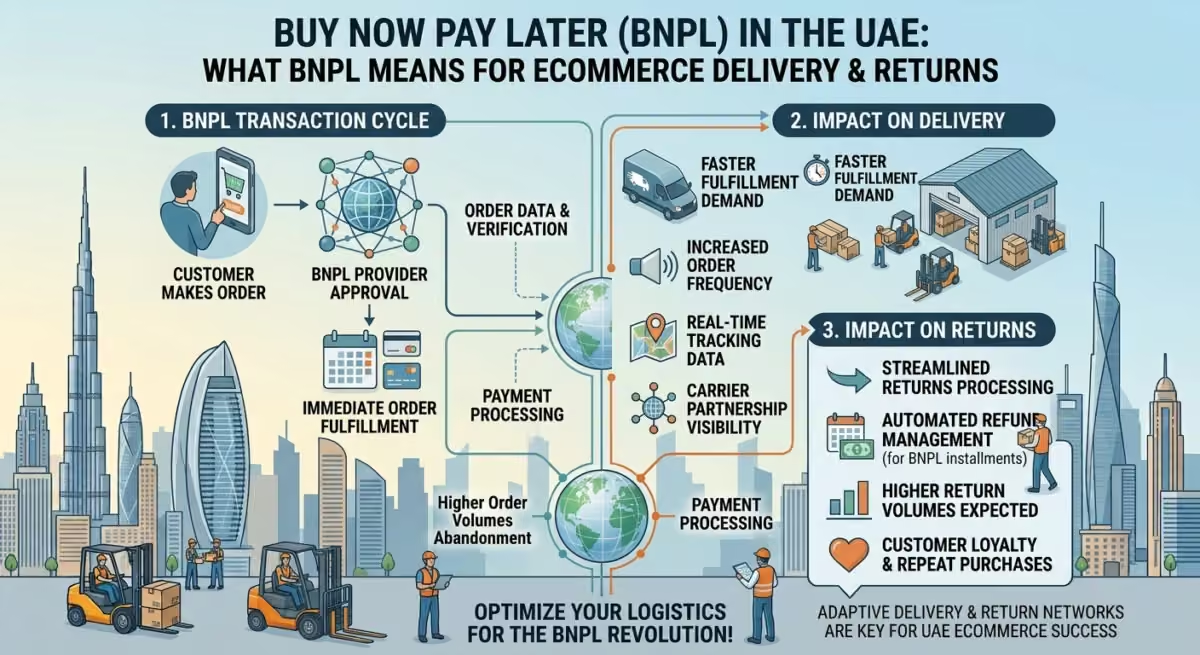
BNPL in the UAE and its impact on ecommerce delivery and returns, showing the transaction cycle, faster fulfilment, order frequency, real-time tracking, and streamlined returns
Buy Now Pay Later in the UAE: What BNPL Means for eCommerce Delivery and Returns.

Buy Now Pay Later (BNPL) is changing how consumers shop and how eCommerce businesses manage fulfilment and returns in the UAE. This guide explores how BNPL can influence order volumes, delivery demand, fulfilment operations, return rates, refund processing, and the logistics strategies businesses need to support a growing BNPL-driven customer base.

Read More
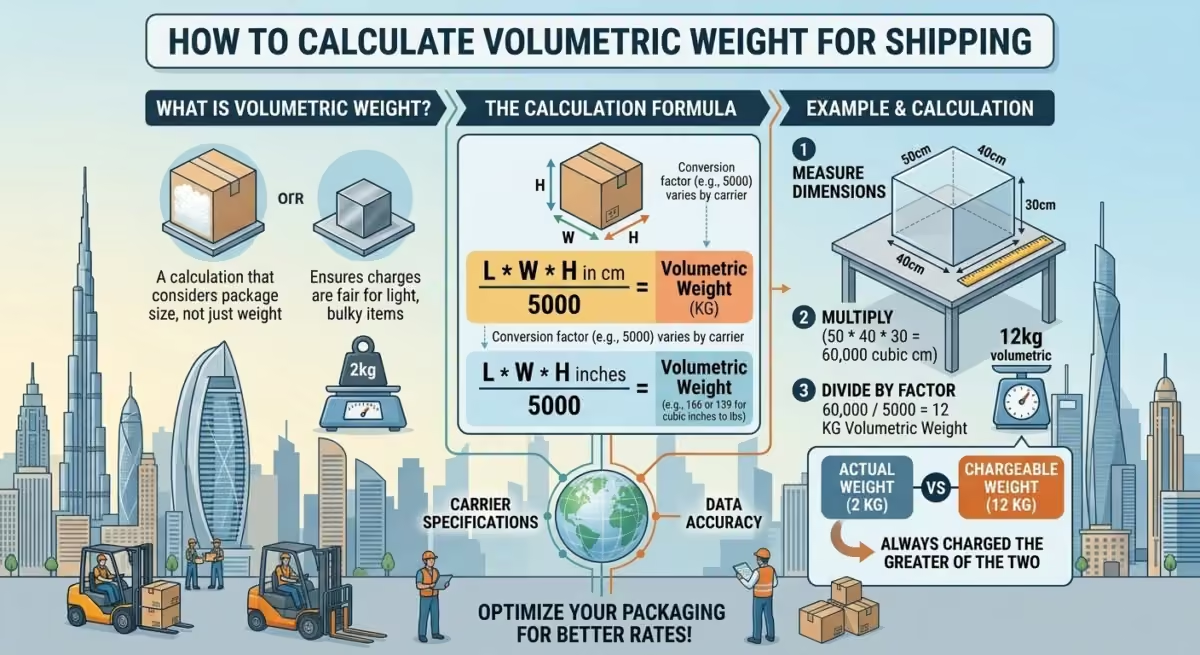
Infographic explaining how to calculate volumetric weight for shipping, including the formula, measurement example and comparison between actual and chargeable weight.
How to Calculate Volumetric Weight for Shipping: Formula and Examples

Learn how to calculate volumetric weight for shipping with an easy-to-follow formula and practical examples. Understand how package dimensions, actual weight and carrier conversion factors determine the chargeable weight and ultimately impact your shipping costs.
Read More
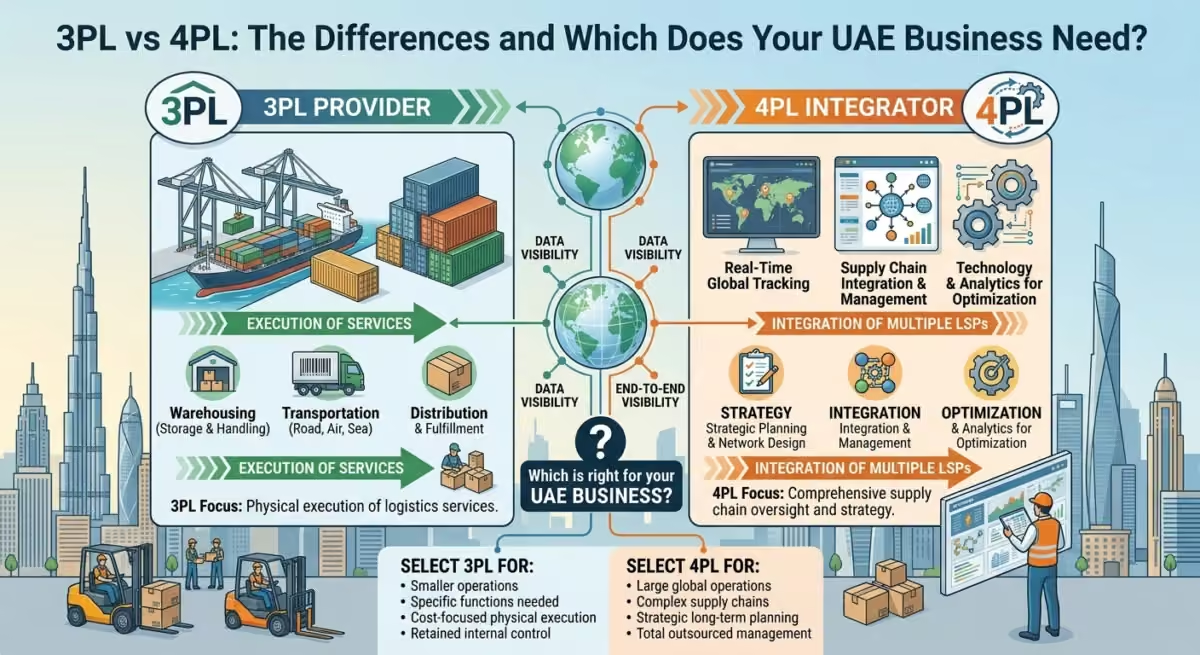
3PL vs 4PL logistics comparison showing warehousing, transportation, distribution, supply chain integration, technology, analytics, and strategic planning for UAE businesses
3PL vs 4PL: What Is the Difference and Which Does Your UAE Business Need?

3PL and 4PL logistics models help businesses manage different levels of supply chain operations. This guide explains the key differences between 3PL and 4PL providers, their roles, benefits, costs, and how UAE businesses can choose the right logistics model based on their size, supply chain complexity, and operational needs.
Read More
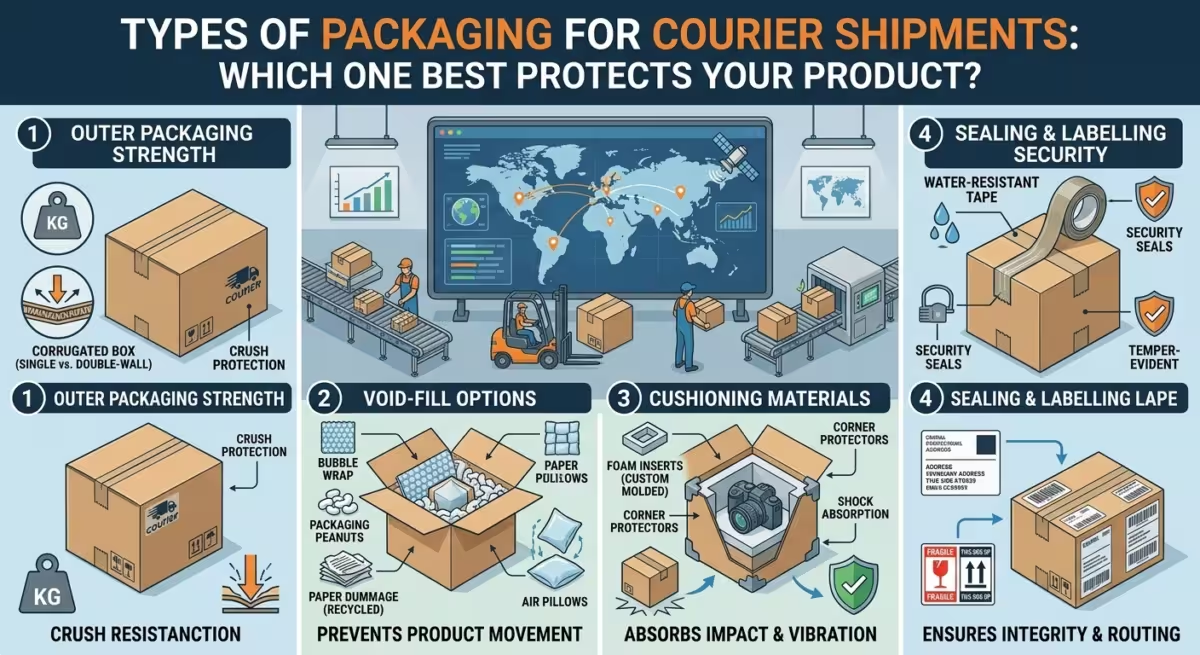
Types of packaging for courier shipments, showing outer packaging strength, void-fill options, cushioning materials, and sealing and labelling methods
Types of Packaging for Courier Shipments: Which One Best Protects Your Product?

Choosing the right packaging is essential for protecting products during courier transportation. This guide explores different types of packaging for courier shipments, including corrugated boxes, bubble wrap, air pillows, paper fillers, foam inserts, and protective seals, and explains how to choose the best option based on your product, handling needs, and shipping conditions.
Read More
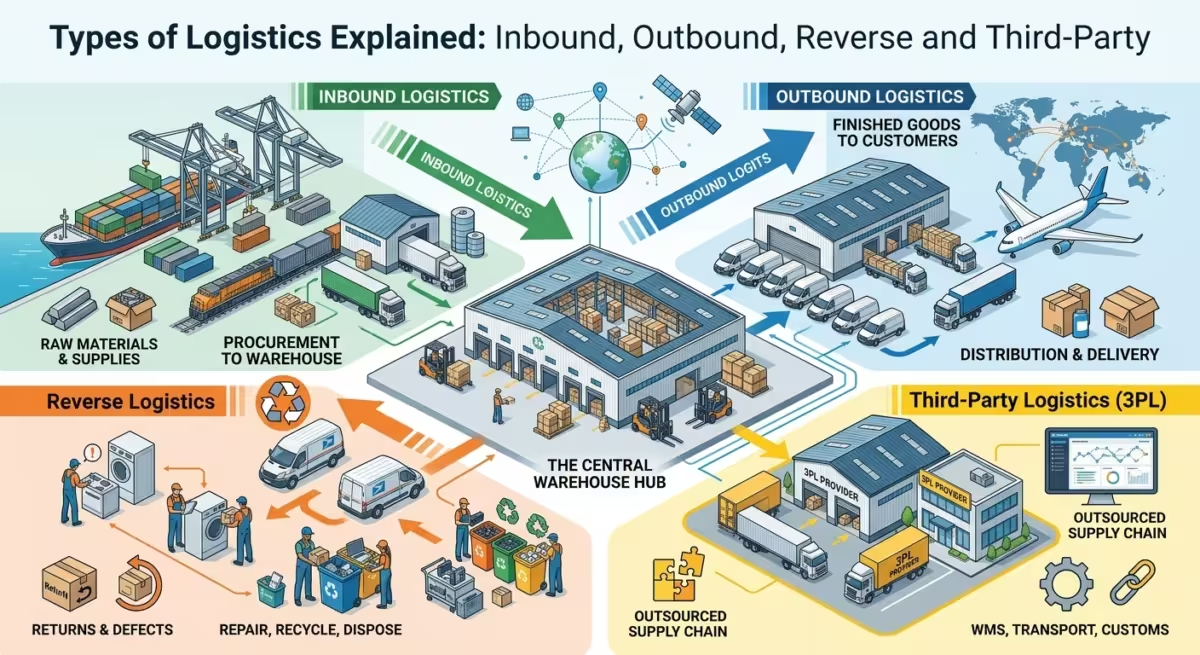
Types of logistics explained through inbound, outbound, reverse and third-party logistics, showing the movement of goods between suppliers, warehouses, customers and return facilities.
Types of Logistics Explained: Inbound, Outbound, Reverse and Third-Party 

Logistics covers much more than moving goods from one place to another. This guide explains the four key types of logistics, inbound, outbound, reverse and third-party logistics (3PL), and how each supports the supply chain. Learn how goods move from suppliers to warehouses, reach customers, return for repair or disposal, and how businesses use 3PL providers to manage logistics operations.

Read More

    Powered by